
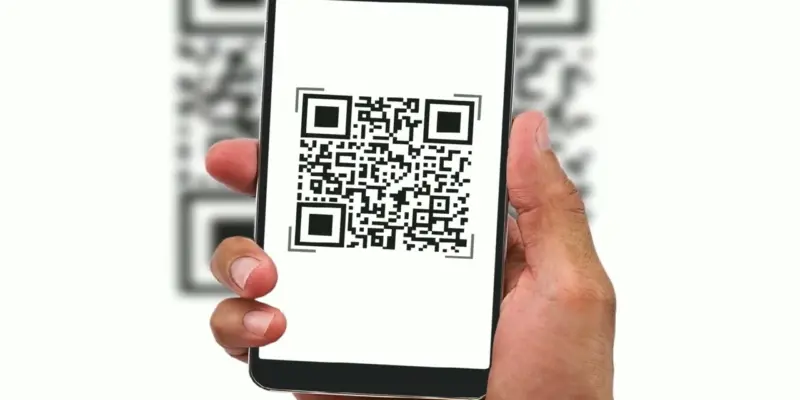

In an era where digital payments have replaced physical cash, a new form of cybercrime called “Quishing” (QR Phishing) is haunting millions of users.
While QR codes offer unmatched convenience at tea stalls and luxury stores alike, scammers are now using them as a weapon to drain bank accounts. By simply pasting a fraudulent sticker over an original merchant QR code, hackers redirect your payments into their own pockets without you or the shopkeeper noticing.
To stay safe, the first rule of thumb is to verify the recipient’s name appearing on your screen. Before hitting the ‘Pay’ button, always ask the merchant to confirm the name displayed in your UPI app. Fraudsters often use names that closely mimic the store's name to deceive unsuspecting customers. If a QR code feels unusually thick or looks like a sticker pasted over another, it's a major red flag indicating a tempered code.
Another critical safety tip: QR codes are strictly for ‘making’ payments, not ‘receiving’ them. Scammers often send QR codes via WhatsApp or SMS, claiming you have won a prize and need to scan the code to claim the money. Remember, receiving money never requires you to scan a code or enter your UPI PIN. If an app redirects you to a third-party website or asks for sensitive personal data after a scan, abort the transaction immediately. Following these simple steps can ensure your digital transactions remain swift, smooth, and most importantly, secure.