




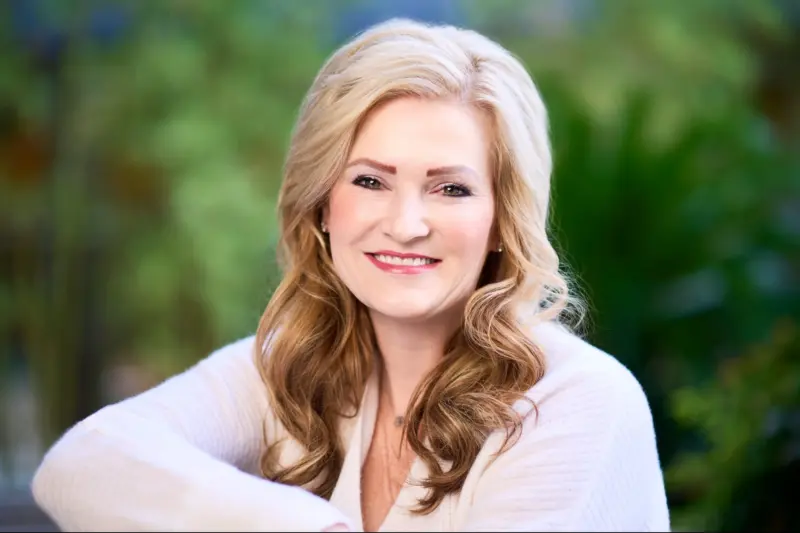

Key Takeaways
- Shelly Sun Berkowitz turned a personal struggle into BrightStar Care.
- She pioneered healthcare franchising, scaling from one Chicago location to hundreds nationwide.
- Her $750 million exit this year cements BrightStar as a model for mission-driven growth and shows the power of franchising in unconventional industries.
When Shelly Sun Berkowitz set out to find reliable in-home care for her grandmother, she didn't know she was about to transform an entire industry. What began as a deeply personal struggle quickly became the spark for BrightStar Care, the first national in-home care brand of its type built through franchising - a bold, unconventional move in healthcare at the time.
Nearly two decades later, BrightStar Care, ranked #189 on the 2025 Franchise 500, has grown from a single Chicago location into a coast-to-coast network with hundreds of franchisees. Earlier this year, Berkowitz capped that journey with a $750 million private equity exit - one of the largest ever in the in-home care sector.
Entrepreneur spoke with Berkowitz about the personal experience that inspired BrightStar, why she bet on franchising in a space where it was virtually unheard of, and what she's focused on now after one of the biggest deals in the industry's history.
Responses have been edited for length and clarity.
You started BrightStar Care after struggling to find reliable care for your grandmother. What did you see in that moment that made you want to build a business around it?
Back in 2001, our family needed both non-medical care - things like bathing and meals - and medical care, including pain management from a nurse. At the time, that combination didn't exist under one roof. We had to juggle two different companies that didn't communicate with each other, and it was stressful.
After my grandmother passed away, I couldn't let it go. I thought, If our family had this problem, how many others are struggling? I gave myself six months to try to solve it, and from the beginning, I built BrightStar with a nurse on every team and a clinical-first, high-touch model. If families were paying out of pocket, I wanted them to have peace of mind and a higher quality of life.
You didn't come from healthcare. How did your outsider perspective help - or challenge - you as you entered the industry in 2002?
I'm a CPA by background and had managed hundreds of people in insurance. I was risk-averse, but I knew how to build systems and lead teams. Coming in from outside healthcare helped me focus on what mattered most: the families.
That "true north" guided every decision, especially during Covid-19, when so much was uncertain. I had to use a rank order - our seniors are first, because they're most vulnerable. At all costs, we had to keep them safe. And then, how do I take care of my caregivers? Then, how do I take care of my franchisees? How do I take care of my corporate team? And ultimately, how do I take care of myself and my family? That clarity made me a stronger leader in the toughest moments.
At the time you started, franchising wasn't very common in healthcare. Why did you believe it was the right model for BrightStar?
I discovered franchising through family. My mother-in-law was investing in a Choice Hotels property, and I went through their new owner training. I realized franchising wasn't just fast food - it could work in many sectors. I thought, How many people with business acumen and a love for their grandparents would want to provide this kind of care? Franchising gave us a way to scale quickly while keeping a clinical-first model. But I was tough on who I let in. It wasn't just about financial resources - franchisees had to have the heart to do it the right way.
What was the biggest hurdle in scaling BrightStar Care into a national brand?
State licensing. Non-medical care has little regulation, but medical care has a lot - and every state is different. Early on, I had franchisees in six states, all with different requirements. That was a real challenge.
Another hurdle was growing and evolving the system when franchisees weren't always ready for change. For example, creating a national advertising fund. It was tough to ask franchisees to contribute more, but without national marketing, we couldn't compete. That decision, plus exposure from being on Undercover Boss in 2012, helped us grow our brand awareness to compete with much larger players.