
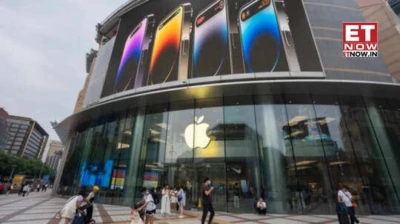

Apple marks fifty years since founding. From modest beginnings in a home workshop, it now holds a value near four trillion dollars. Despite attempts that did not succeed, many of its creations gained wide reach.
These influential products changed communication methods across societies. Work routines shifted due to its tools. Entertainment access transformed under its influence.
Beginning with the original Apple I, then moving through decades of innovation, the company from Cupertino reshaped once-ignored tools into widely adopted necessities. What started as a modest computer project evolved slowly, yet steadily, into immersive spatial devices used across homes and workplaces.
The Macintosh started desktop computer era
One morning in 1984 changed how people interact with machines. Not only did the Macintosh appear, it brought visuals where text once ruled. Instead of typing commands, fingers now guided actions through a small device beneath the hand. Because simplicity took center stage, technology no longer required training. Even skeptics began to see value beyond processing speed or memory size. Through careful choices, ease became more important than numbers on a spec sheet. Over time, that focus shaped what the company would become. While others chased power, attention stayed fixed on how things felt when used. Only later was it clear - this quiet shift had redrawn the boundaries of access.
iPod with 1000 songs in your pocket
Apple changed how people engaged with music when it introduced the iPod in 2001. Despite earlier MP3 devices being available, its link to the iTunes Store brought order to chaotic file sharing. A new model of legal distribution emerged because of that connection. Because of the click wheel, navigation felt different compared to other gadgets at the time. Those white earbuds stood out visually wherever they appeared. Over time, ownership signaled more than just tech use - it reflected identity. This moment helped shape what would follow in portable electronics made by the company.
iPhone and aftermath
A single moment reshaped everything - the 2007 unveiling of the iPhone stood unmatched across Apple's offerings. Introduced by Steve Jobs, it arrived not as one device, but layered: part wide-screen iPod driven by touch, part mobile telephone reimagined, part gateway to the web transformed. Though later models evolved, that first release carried a weight no subsequent product has equaled. Each element functioned distinctly, yet their fusion defined what followed. The stage shifted without warning. Few launches since have echoed so deeply.
Not only did the iPhone end dominance by BlackBerry and Nokia - it initiated a new phase where apps shape digital life. Since launch, more than 2.3 billion devices have been purchased, positioning this product at the core of Apple's revenue structure. Far beyond hardware, it functions as the anchor within an interconnected system tightly managed by one company.
Age of wearables Apple watch and AirPods
Not long ago, Apple moved firmly into wearable devices. What began as a high-end item, the Apple Watch evolved - shifting focus toward wellness monitoring across nations. In parallel fashion, wireless earbuds from the same brand transformed how people listen, gaining wide adoption beyond competitors. That shift helped one segment of their operations reach economic scale comparable to major independent corporations.
Legacy of integration
With Apple stepping into its fifth decade, success might lie less in standalone gadgets, more in how well devices link across tools, systems, and functions. The shift toward custom-built M-series processors shows a pattern - technology fades behind experience. Even ventures like Vision Pro follow this quiet path: machines designed so closely together that operation feels unseen. What users meet is not wires or code, but motion without effort. Progress here means vanishing into background. Seamless does not shout; it simply works.
Read more news like this on www.etnownews.com