
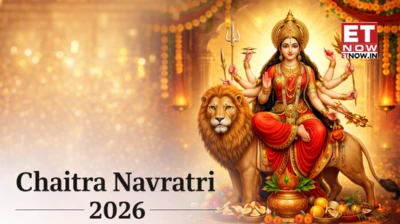

Chaitra Navratri 2026: Navratri is almost here and if you are someone who follows the Hindu calendar closely, there is something important you need to know before making any big plans around these nine days.
Chaitra Navratri this year starts on March 19 and wraps up on March 27. Nine days, nine forms of Goddess Durga, and for millions of families across the country, nine days of fasting, prayer and getting the house decorated. It also happens to mark the start of the Hindu new year, which makes it extra significant beyond just the religious angle.
What happens on each day
March 19 opens with Ghatasthapana, basically the formal way of inviting the goddess in and getting the worship started. After that each day belongs to a different avatar. Brahmacharini on the 20th, Chandraghanta on the 21st, Kushmanda on the 22nd, Skandamata on the 23rd, Katyayani on the 24th, Kalaratri on the 25th, and Mahagauri on the 26th with the Sandhi Puja also happening that evening. The whole thing wraps on March 27 which is Rama Navami, the birthday of Lord Rama.
So can you have a wedding or housewarming during Navratri
Normally some ceremonies are fine during Navratri and some are not. Housewarmings and mundan rituals have traditionally been considered okay. Weddings on the other hand have always been a no during these nine days, the logic being that Navratri is for devotion and spiritual focus, not celebrations of the material kind.
But this year there is an extra layer to deal with.
Kharmas changes everything in 2026
Four days before Navratri even begins, on March 15, Kharmas starts. If you have not heard of Kharmas before, it is the period when the Sun moves through Pisces. Religiously speaking this is considered a time when auspicious energy takes a backseat. Weddings, housewarmings, new business launches, buying property - all of it is traditionally put on pause during Kharmas.
The tricky part this year is that Kharmas runs straight through Navratri and does not end until mid April. So the usual flexibility around housewarmings and new ventures that Navratri sometimes allows simply does not apply in 2026. The two periods overlapping means the advice from priests and religious scholars is the same across the board - wait until after mid April for anything big.
What to actually do during these nine days
The Kharmas overlap does not take anything away from the spiritual side of Navratri. If anything it probably strengthens the case for keeping these nine days purely about worship and nothing else. Daily puja, fasting if you observe it, chanting, reciting the Durga Saptashati, giving to charity, spending time at the temple, all of that remains not just allowed but actively encouraged.
The festival also means different things in different parts of the country. In Maharashtra these days overlap with Gudi Padwa, the Marathi new year. In Andhra Pradesh and Telangana it lines up with Ugadi. So the celebration takes on a regional flavour depending on where you are, even while the core worship remains the same.
The bigger picture
At its heart Navratri has always been about pausing the usual rush of life and focusing on something beyond the daily grind. The story behind it, good defeating evil, light pushing through darkness, is one that cuts across age groups and regions. Whether you fast strictly or just light a diya at home every evening, the nine days carry a certain energy that most people who observe them will tell you is genuinely felt rather than just performed.
This year just make sure the wedding invitations go out for May onwards. Goddess Durga will still be very much there - Kharmas or not.
Read more news like this on www.etnownews.com