
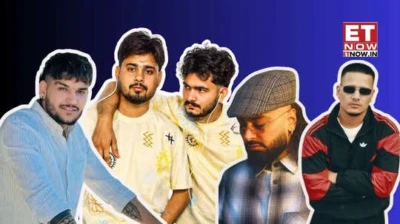

Inside Multi-Crore Haryanvi Music Business: When Bairan climbed to the top of Billboard India, it did more than create chart history. It announced that Haryanvi music is no longer a fringe regional category-it is now one of the most commercially powerful and culturally influential forces in India's independent music landscape.
The achievement was historic because Bairan became the first independent Haryanvi song to hit No. 1 on Billboard India, and it did so without the support of a Bollywood film, a major music label, or celebrity-led marketing.
What makes the story even more remarkable is that the viral track was not created by a legacy industry machine. It was built by brothers Sumit and Anuj, professionally known as Banjaare, two independent musicians who began making music during the COVID-19 pandemic. They wrote, composed and sang the song themselves, later releasing a duet version featuring Simiran Kaur Dhadli. Their rise reflects a larger truth about the Indian music business in 2026: listeners are no longer waiting for labels to tell them what to hear.
Why 'Bairan' Has Become More Than Just A Hit Song
At its core, Bairan is a heartbreak song-but not in the polished, over-produced style of mainstream Hindi pop. The word "bairan" roughly refers to someone beloved who has become a source of pain, almost like a lover turned adversary. The song's writing captures emotional conflict with unusual directness: longing, betrayal and resentment all sit side by side in the lyrics.
His Tension similarly explores pressure and reputation through swagger-heavy bars, using bravado to discuss the burden of expectation.
In BLACK RIDE and Russian Bandana, Nyoliwala adopts a more trap-inspired style, blending luxury imagery and dominance themes with Haryanvi street energy.
Swara Verma's Banjaare uses the metaphor of wandering to capture emotional unrest and longing for freedom.
Meanwhile, Mitta Ror, who has built his own strong fan base through tracks such as Sheesha, represents another rising voice in the Haryanvi ecosystem, known for blending melody with contemporary regional swagger.
Who Is Powering The New Haryanvi Music Movement
The Haryanvi music explosion is being driven by a mix of traditional and new-age artists. Banjaare represent the independent singer-songwriter wave-artists building careers from home studios and digital-first releases. Dhanda Nyoliwala is pushing Haryanvi rap into modern hip-hop territory. Masoom Sharma remains one of the scene's most established and respected names, bridging folk-rooted performance traditions and digital-age virality.
Mitta Ror, Khasa Aala Chahar, Bintu Pabra, Rawme Hooda, and others are helping diversify the genre's sound.
The Business Of Haryanvi Music: A Growing Multi-Crore Economy
Perhaps the most overlooked aspect of the Haryanvi boom is the money. What was once considered a small regional circuit has become a rapidly growing entertainment economy.
Artists are now monetising through:
YouTube Ad Revenue:
Top songs routinely cross tens or hundreds of millions of views, creating meaningful income for independent artists and labels.
Streaming Royalties:
Spotify, Apple Music and other platforms provide growing recurring revenue.
Instagram/Reels Licensing:
Songs used in reels and short-form content generate additional licensing income.
Live Shows And Weddings:
Leading Haryanvi singers command significant performance fees for events across North India.
Brand Collaborations:
As mainstream recognition grows, endorsement and partnership opportunities are expanding.
Industry observers increasingly view Haryanvi music as a serious regional entertainment business worth multiple crores annually-and still growing.
Why 'Bairan' Could Mark A Permanent Shift In Indian Music
The success of Bairan suggests India's music industry may be entering a structural shift. For decades, Bollywood dictated national music taste. Today, streaming algorithms and social sharing are changing that equation. Regional artists no longer need film studios or major labels to become stars. If anything, Bairan proves that in 2026, authenticity may matter more than production budgets.
Listeners are choosing songs that feel real. Songs that sound local. Songs that are written from lived experience rather than boardroom strategy. And right now, Haryanvi music is giving them exactly that. Because Bairan is not just a hit. It is proof that India's next music revolution may come from regional independent creators-not from the mainstream establishment.
Read more news like this on www.etnownews.com