
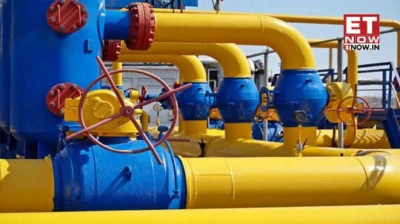

India's push for piped gas: At a time when the Centre is pushing for the adoption of piped natural gas (PNG) on the back of energy supply chains disruptions marked by global geopolitical tensions, the Petroleum and Natural Gas Regulatory Board (PNGRB) today said that it has initiated the bidding process for the development of Liquefied Petroleum Gas (LPG) pipeline infrastructure.
Move to boost India's energy logistics
The move aims to boost India's energy logistics network, besides fostering the country's reliability, safety, efficiency and environmental sustainability of LPG transportation.
These pipelines would also serve as storage during times of need and address the supply security crisis in the country.
What has been proposed?
"The proposed pipelines are designed to connect key supply sources, including refineries and import terminals, with LPG bottling plants, thereby ensuring seamless evacuation and distribution of LPG across multiple regions," PNGRB said.
As part of this initiative, nine LPG pipeline projects have been identified for development. PNGRB has initiated a suo-moto proposal and carried out bidding for these pipelines, it added.
It is in the process of concluding bid proposals for four pipelines, the Cherlapally-Nagpur pipeline, the Shikrapur-Hubli-Goa pipeline, Paradip-Raipur pipeline and Jhansi-Sitarganj pipeline.
The cumulative length of these proposed pipelines is around 2,500 km. They would attract a tentative investment of around Rs 12,500 crore.
PNGRB eyes future-ready energy infrastructure
It is proposed to do away with road transportation of bulk LPG by 2030. Through this initiative, PNGRB reiterates its commitment to developing a robust and future-ready energy infrastructure, promoting the use of cleaner fuels, and supporting the Centre's vision of ensuring accessible, efficient, and sustainable energy for all," the regulator said.
Govt advances its PNG play
Meanwhile, the government has advanced the rollout of piped natural gas (PNG) connections, a move aimed at reducing dependence on imported fuel. It is pertinent to note that since March, more than 424,000 new PNG connections have been activated.
The Centre is planning financial support of Rs 5,000 crore to Rs 6,000 crore for city gas distribution companies to lay pipeline infrastructure. Nearly 50 per cent cost sharing and higher blending targets are under review amid the West Asia concerns.
The long war in West Asia has disrupted global energy supply. India relied on import of half of its crude oil, 40 per cent of its gas and 85-90 per cent of LPG from the region was also impacted.
While it has managed to make up for the shortfall in crude oil by sourcing from other regions, LPG supplies have been impacted. The government has prioritised LPG supply to domestic households at the cost of cuts in supplies to commercial users like hotels and restaurants.
Read more news like this on www.etnownews.com