




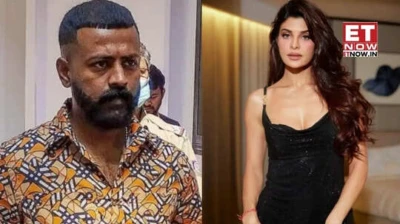

The legal troubles surrounding alleged conman Sukesh Chandrasekhar have taken another significant turn. In a major development, a Delhi court has framed charges against Chandrasekhar, Bollywood actor Jacqueline Fernandez and several others in the high-profile Rs 200 crore extortion case that has remained under investigation for years.
The case, which first grabbed national attention because of its staggering money trail, alleged impersonation, luxury gifts and celebrity links, continues to unfold with new legal proceedings. While Chandrasekhar has consistently remained at the centre of the controversy, Fernandez has maintained that she had no knowledge of his alleged criminal activities. The latest court order now pushes the matter into the next stage of trial, keeping public attention firmly fixed on one of India's most talked-about financial crime cases.
What Did The Delhi Court Decide?
According to reports, Special Judge Prashant Sharma of the Patiala House Courts has framed charges against Sukesh Chandrasekhar and 22 others in a case registered by the Delhi Police Crime Branch.
The charges include provisions under Sections 3 and 4 of the Maharashtra Control of Organised Crimes Act (MCOCA), along with allegations related to cheating and impersonation.
The court has directed all accused persons to appear on June 3 for the formal framing of charges. A detailed judicial order is still awaited.
How Did The Rs 200 Crore Extortion Case Begin?
The Enforcement Directorate's money laundering investigation stems from a Delhi Police MCOCA FIR registered in August 2021. According to the agency, Chandrasekhar and his associates allegedly extorted around Rs 200 crore from Aditi Singh, the wife of former Ranbaxy promoter Shivinder Singh, during 2020 and 2021.
Investigators have alleged that Chandrasekhar posed as a senior central government official and promised assistance in securing bail for Shivinder Singh. Based on these representations, the complainant was allegedly persuaded to part with substantial sums of money.
The case eventually expanded beyond extortion allegations and drew the attention of multiple agencies due to the scale of the financial transactions involved.
Where Did The Allegedly Extorted Money Go?
The Enforcement Directorate has claimed in its chargesheets that the money was allegedly routed through a network of shell companies and layered transactions. Investigators further alleged that a portion of the funds was used to acquire luxury assets and expensive gifts.
This aspect of the case attracted widespread attention because several high-value items, including luxury products and other costly possessions, allegedly formed part of the proceeds of crime under investigation.
Did You Know?
Financial crime investigators often examine shell companies because they can be used to obscure the original source of funds by moving money through multiple accounts and entities before it reaches its final destination.
Why Has Jacqueline Fernandez Been Named In The Case?
Jacqueline Fernandez's association with the case emerged during the Enforcement Directorate's investigation into the alleged money trail. While the original chargesheet named eight individuals, including Chandrasekhar as the principal accused and intermediary Pinky Irani, investigators alleged that Irani facilitated contact between Chandrasekhar and Fernandez.
The total number of accused persons in the broader matter currently stands at 18 in the Enforcement Directorate proceedings. In a supplementary prosecution complaint filed on August 17, 2022, the ED named Fernandez as an accused. The agency alleged that she possessed proceeds of crime in the form of gifted items valued at more than Rs 7 crore.
What Has Jacqueline Fernandez Said In Her Defence?
Throughout the investigation, Fernandez's legal team has consistently argued that the actor was unaware of Chandrasekhar's alleged criminal background and activities. Her lawyers have repeatedly maintained that there was no criminal intent on her part and that she had no knowledge that any gifts she received were allegedly linked to proceeds of crime. This defence has remained central to her position since the case first surfaced.
Why Did The ED Oppose Her Plea To Become An Approver?
Earlier this month, the Enforcement Directorate opposed Fernandez's request to become an approver in the money laundering case. The agency argued that she had actively benefited from the alleged proceeds of crime and was now attempting to avoid prosecution through the move. The ED maintained its position that the allegations against her warranted continuation of legal proceedings rather than granting her approver status.
What Is Sukesh Chandrasekhar's Current Legal Position?
Despite facing numerous criminal cases across different jurisdictions, Chandrasekhar has secured bail in a majority of them. In April, a Delhi court granted him bail in an Enforcement Directorate case linked to the AIADMK's "two leaves" election symbol matter. The court observed that he had already spent more than half of the maximum seven-year sentence prescribed under the Prevention of Money Laundering Act (PMLA).
Of the 31 cases registered against him, Chandrasekhar has reportedly obtained bail in 27 cases so far.
However, several significant matters remain pending, including:
- The Rs 200 crore extortion case
- The connected money laundering investigation arising from the alleged extortion
These continue to be among the most closely watched legal battles involving the alleged conman.
With charges now framed, the case moves closer to the trial stage. The appearance of all accused before the court on June 3 will mark another important procedural step. For now, the allegations remain subject to judicial scrutiny, and the accused continue to be entitled to defend themselves in court. As the detailed order becomes available and proceedings advance, the case is expected to remain under intense public and legal scrutiny given its high-profile names, massive alleged financial fraud and years-long investigation.
With PTI inputs
Read more news like this on www.etnownews.com