


Significance of Purushottam Maas: This year, the *Adhik Maas* (Intercalary Month) holds auspicious and distinct religious significance.
It commences on May 17th and continues until June 15th. According to the Hindu almanac (*Panchang*), this period is also referred to as *Adhik Maas*, *Malmaas*, or *Purushottam Maas*. This time is considered to be entirely dedicated to spiritual practice (*sadhana*), worship, and devotion. Performing religious acts-such as ritual bathing, charitable donations (*daan*), *Yajnas*, *Havans*, and ascetic penance (*tapas*)-during this period is believed to yield exceptional spiritual rewards; furthermore, it is held that such acts attract the special grace of Lord Vishnu. During this interval, the performance of auspicious ceremonies-such as weddings, *Mundan* (first haircut) ceremonies, *Griha Pravesh* (housewarming rituals), and other celebratory rites-remains prohibited. Interestingly, the very period that was traditionally deemed inauspicious and forbidden for celebratory events was elevated by Lord Vishnu himself, who bestowed his own name upon it, thereby granting it the status of *Purushottam Maas*. Let us explore why *Adhik Maas* is known as *Purushottam Maas*.
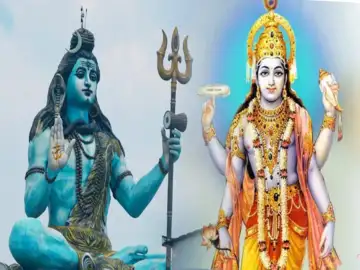
Why is it called *Purushottam Maas*?
According to the Hindu almanac, *Adhik Maas* is a unique period that is not traditionally associated with any specific presiding deity. Consequently, it was initially deemed unsuitable for the worship of deities or the performance of auspicious ceremonies, and was even regarded as a "rejected" or dispensable month. Legend has it that when this month began to be perceived as neglected and inauspicious, Lord Vishnu himself appeared-moved by its plight-and extended his divine protection over it. Bestowing his own name upon the month, he declared it *Purushottam Maas* (the Month of the Supreme Being), decreeing that it would henceforth be known by his name alone. Lord Vishnu further bestowed a divine blessing: any devotee who engages in *Japa* (chanting), *Tapas* (penance), *Daan* (charity), and *Bhakti* (devotion) during this period would accrue spiritual merit manifold greater than that gained during ordinary times. It is due to this divine grace that *Adhik Maas* is today revered as an exceptionally sacred and spiritually fruitful period, offering a unique opportunity for spiritual growth and advancement.
**Do's and Don'ts during *Adhik Maas***
In Hinduism, *Adhik Maas* is regarded as a time of profound sanctity and spiritual discipline; therefore, one should refrain from certain activities while embracing specific religious practices during this period.
During this interval, the performance of any auspicious ceremonies-such as weddings, engagements, *Mundan* (first haircut) ceremonies, or *Namkaran* (naming) ceremonies-is considered strictly prohibited. It is also advised to postpone auspicious activities-such as purchasing a new home or performing a *Griha Pravesh* (housewarming ceremony)-during this month.
According to tradition, one should not commence any new religious fast (*Vrat*) or undertake any major spiritual resolve during *Adhik Maas*.
Conversely, this period is considered exceptionally auspicious for devotion and spiritual practice.
Reciting the *Shrimad Bhagavat Katha* during this time is regarded as a highly meritorious act.
Chanting the mantras of Lord Vishnu and reciting the *Vishnu Sahasranama* yield particularly fruitful results.
Engaging in acts of charity, offering lamps (*Deepdan*), performing worship rituals, and undertaking selfless service attract the special grace of Lord Vishnu and infuse one's life with positive energy.
PC Social Media