






Summer Skin Care Tips: As summer begins, the mercury starts to rise, and this has a direct impact on our skin. As the intensity of the sun and humidity increase, queues of patients suffering from heat rash, acne, and sunburn begin to lengthen at hospitals.
In fact, our skin is extremely sensitive to the external environment, and sudden changes in the weather affect its natural defense system. When a mixture of sweat, dust, and dirt clogs the skin's pores, the risk of infection multiplies manifold. Therefore, it is crucial to understand why these problems occur and how to prevent them.

During the summer, our bodies produce excess sweat to help keep us cool. When excessive sweating occurs-and the openings of the sweat glands become blocked by dead skin cells or dust present on the skin's surface-the sweat is unable to escape. This trapped sweat accumulates beneath the skin, manifesting as heat rash (prickly heat), which is characterized by intense itching and the appearance of small red bumps. To prevent this, it is essential to bathe at least twice a day and to always wear loose-fitting cotton clothing; this ensures proper air circulation, allowing sweat to dry easily and helping to prevent the onset of heat rash.
The sun's ultraviolet (UV) rays are at their most harmful during the summer months. Prolonged exposure to sunlight without adequate protection causes burns to the skin's outermost layer-a condition known as sunburn. Furthermore, the body increases its production of melanin, causing the skin to darken. UV rays not only compromise the skin's complexion but also destroy collagen, leading to the premature appearance of wrinkles. The only effective way to prevent this is to apply a good quality sunscreen at least 20 minutes before stepping outdoors. Additionally, humid weather significantly increases the risk of fungal infections. In areas of the body prone to excessive sweating-particularly those covered by clothing-the trapped moisture creates an environment where fungi can proliferate rapidly. To prevent this, it is essential to thoroughly dry your body after bathing. Use an anti-fungal dusting powder and maintain good hygiene.
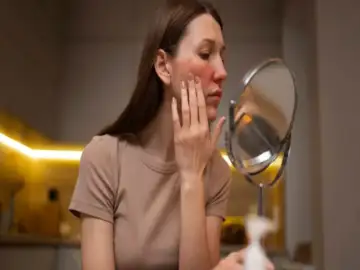
People often assume that skin dryness occurs only during the winter, but in the summer season as well, dehydration causes the skin to lose its natural radiance and appear lifeless. Intense sunlight depletes the body's moisture, causing the skin to become dry from within. Merely applying creams or lotions externally is not sufficient. To keep the skin hydrated, it is essential to drink at least 3 to 4 liters of water throughout the day. Additionally, incorporate natural hydrating options-such as coconut water, cucumber, watermelon, and lemon water-into your diet to ensure your skin remains glowing and healthy from the inside out.
PC Social Media