
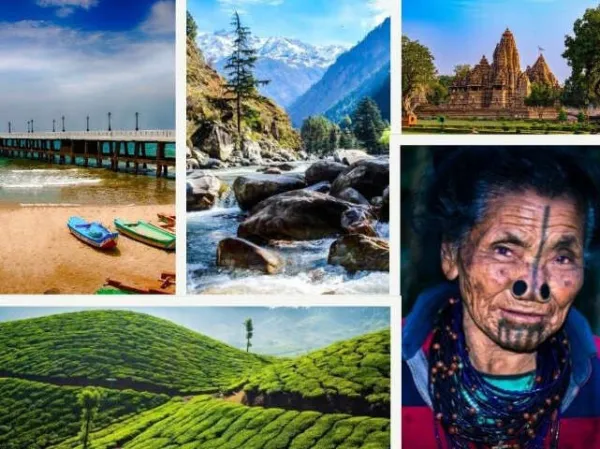

Images: ShutterstockIn April, the mountains in India are reopening after winter, the coasts are clear and warm before the monsoon arrives, and it is still comfortable enough to explore the great heritage sites of the plains before the heat of May closes in.
The shoulder-season quiet settles over even the most popular destinations to make this one of the finest months to travel the country.
1. Kasol & Kheerganga, Himachal Pradesh
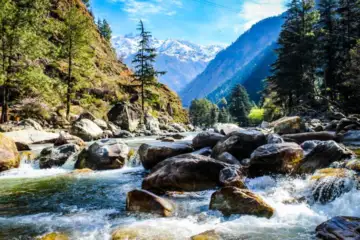
Parvati Valley truly awakens in April. The snow retreats from the lower elevations, the river is cold with water from the glaciers, and walnut and apple trees are budding in the valley. Kasol is the base village for backpackers, and it comes alive with travellers as the cafes and campsites open after the winter closure. The 12-kilometre-long trail to Kheerganga becomes accessible by mid-April, rewarding that one-way effort with a high-altitude hot spring. Temperatures are around 20° C in the day (ideal for trekking) and drop to 5° C at night.
Three Things Kasol & Kheerganga Are Known For:
- The Kheerganga Hot Springs: This natural thermal pool is sited at 2,950 metres snd reached by a 12-kilometre forest trek.
- Manikaran Gurudwara: Sited four kilometres from Kasol, this sacred Sikh and Hindu site is built over a powerful hot spring - so hot the langar cooks rice directly in its thermal vents.
- Chalal Village And Riverside Walks: A short suspension bridge from Kasol allows visitors to reach village lanes dotted with stone houses, apple orchards, and forest trails beside a glacier-fed river. The Himalayan views are a bonus.
Three Must-Dos In Kasol & Kheerganga:
- Trek to Kheerganga over two days: Overnighting near Rudranag waterfall allows for a relaxed pace, wildlife sightings at dawn, and an atmospheric experience compared to the rushed day-version.
- Try Israeli food in Kasol's cafes: The village is nicknamed 'Mini Israel' for its genuinely good food at budget prices. Don't miss the shakshuka, hummus and freshly-baked challah.
- Go white-water kayaking on the Parvati River: In April, the swollen river is made for guided kayaking sessions - for both beginners and experienced paddlers.
Best Time To Travel: In April, the trails in Parvati Valley are opening after winter.
How To Get There: Fly into Bhuntar Airport (30 kilometres from Kasol), then take a shared taxi or HRTC bus to arrive in an hour. You can also take an overnight Volvo bus from Delhi (12 hours) or a private taxi from Chandigarh (8 hours).
2. Varanasi, Uttar Pradesh
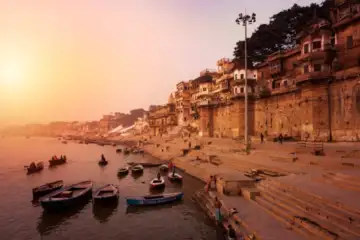
It's hot in Varanasi in April (32 to 38° C), so you need the right itinerary through the day to appreciate this holy city. Spend the early mornings and evenings on the ghats for aarti ceremonies and rides on the River Ganga; rest in the afternoon - it will be in keeping with the ancient tempo of the city. The ghats are at their most photogenic in the slanted morning light. Pilgrimage activity is high in April for both Hindu and Buddhist devotees, and the city is charged with spiritual energy.
Three Things Varanasi Is Known For
- The Dashashwamedh Ghat Evening Aarti: One of India's most important rituals has seven priests elevating flame and incense at dusk by the sacred river.
- Sarnath: The 6th-century Dhamek Stupa marks the spot where the Buddha delivered his first sermon. Also here is Lion Capital of Ashoka, the official emblem of India and one of the finest pieces of Mauryan sculpture, cocooned within the museum.
- Pre-Dawn Boat Rides On The Ganga: This experience promises insights into life in Varanasi - visitors will see devotees bathing on the steps, and priests conducting quiet rituals on the ghats.
Three Must-Dos In Varanasi:
- Walk all the 84 ghats from Assi to Raj Ghat: Start at 6 AM on a five-kilometre riverfront walk. Allow three to four hours to discover the distinctive character of each of the 84 ghats, with chai stops along the way.
- Take a cooking class for Banarasi cuisine: Varanasi's food culture is unique - enrol for a morning class near Assi Ghat to learn to make thandai, malaiyo, and baati.
- Attend a classical music recital: Varanasi is the home of the Benaras gharana. Ask locals about evening recitals you could attend.
Best Time To Visit: April allows you to appreciate the ancient ghats and the Ganga aarti in clear spring air.
How To Get There: Fly into Varanasi's Lal Bahadur Shastri International Airport or take a train to Varanasi Junction. Get around the city on auto-rickshaws and e-rickshaws.
3. Sandakphu, West Bengal

The trek to the Sandakphu summit (3,636 metres) is best done in April. It's when the rhododendron forests along the Singalila Ridge erupt in blazing crimson and pink, and the clarity of the air allows visitors to see Everest, Kangchenjunga, Lhotse, and Makalu - four of the five highest mountains in the world - simultaneously. The trail runs along the Indo-Nepal border at high altitude, and the temperatures are cold (0° C at night, 12° C by day) but manageable with proper layering.
Three Things Sandakphu Is Known For:
- The Sleeping Buddha View: The Kangchenjunga massif looks like the profile of a reclining Buddha from the summit; it is especially stunning materialising in pre-dawn light alongside a panorama sweeping from Makalu through Everest and Lhotse to Kangchenjunga and Jannu.
- The Rhododendron Forests Of Singalila: The park here is full of rhododendron arboreum trees that grow to 10 metres and are resplendent with red blooms in April. This is also where you will get sightings of red pandas on April mornings above Tonglu.
- Tumling And Tonglu Overnight Camps: Gurung and Sherpa lodges at these two simple ridge camps serve hot thukpa and ginger tea that restore tired legs. You have the opportunity to wake up to memorable views of Kangchenjunga lit in early light.
Three Must-Dos in Sandakphu:
- Hike for a summit sunrise at 4 AM: Hike 20 minutes from the trekkers' hut at 3.30 AM to catch the sunrise silhouetting the massive mountains. Dress very warmly and take a thermos of hot tea with you.
- Ride a Land Rover on the Singalila track: Darjeeling's most photogenic vehicles are the ancient Land Rovers that run the Maneybhanjang-Sandakphu jeep track. Taking one of these will save your legs for the ridge walk.
- Visit the Darjeeling tea estates on the return: Take a factory tour at Happy Valley Estate to watch the process of making one of the world's finest teas - April is the time for the first flush harvest.
Best Time To Visit: Sandakphu is at its scenic best in April, especially when it comes to showcasing its four 8,000-metre peaks.
How To Get There: Fly into Bagdogra (Siliguri) then hire a cab to Maneybhanjang (100 kilometres away), which is the trek starting point. Trekkers usually overnight in Darjeeling and drive down to Maneybhanjang at dawn. You can also take the Darjeeling toy train from New Jalpaiguri.
4. Gokarna, Karnataka
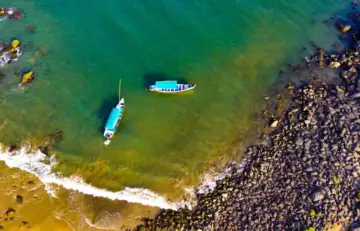
The beach season in Gokarna is at its tail end in April; temperatures hover between 30° C to 34° C with refreshing sea breezes, and the water is warm and just right for swimming before the monsoon arrives in June. The atmosphere is of a laid-back pilgrimage town, with access to its crescent beaches - Om, Half Moon, and Paradise - via a scenic trek along the headland.
Three Things Gokarna Is Known For:
- Om Beach And The Southern Cove Trail: Seen from above, Om Beach traces the shape of ॐ. A three-kilometre trail continues south from it over rocky headlands to Half Moon and Paradise beaches. With few other hikers in April, this walk will feel like a private discovery.
- Mahabaleshwara Temple: This temple houses one of southern India's most revered Shiva lingas set within a living pilgrim town. This is a world in itself with streets of flower vendors and brass lamp sellers surrounding it.
- Sunset From The Kudle Beach Headland: Scrambling 10 minutes over rocks at the southern end of Kudle Beach rewards the effort with views from the temple spire to the Om Beach headland, with the Arabian Sea turning copper as the sun drops.
Three Must-Dos in Gokarna:
- Trek the complete beach circuit at dawn: You'll need a packed breakfast and good walking shoes to take on the six-kilometre trail through Kudle, Om, Half Moon, and Paradise beaches. Expect to take about two-and-a-half hours.
- Attend morning puja at Mahabaleshwara Temple: You'll find the 6 AM ritual of bells, incense, and flower processions outside the temple a great introduction to life in a pilgrimage town.
- Take a boat to Paradise Beach for the night: Ride 10 minutes in a fisherman's boat from Om Beach to a roadless, electricity-free cove. You can spend the night in a beach hut here.
Best Time To Visit: April in Gokarna occupies a sweet spot when it comes to the weather.
How To Get There: The nearest airports are in Dabolim (Goa), 150 kilometres away, and Hubbali (160 kilometres). Or take the train to Gokarna Road Station on the Konkan Railway, and then an auto into town.
5. Khajuraho, Madhya Pradesh
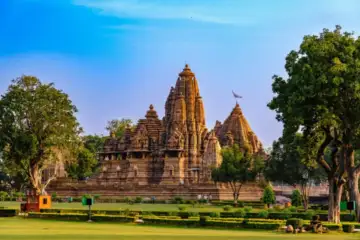
In April, Khajuraho is good to visit - the Chandela dynasty temple complexes have less people around compared to in winter, and the temperature, though warm, is not yet as fiercely hot as in summer. The clear light in April is good to appreciate the temples' nagara style of architecture - with towers rising in rhythmic tiers that mimic mountain ranges. Khajuraho is compact enough to cover on foot over two days, making it an ideal short break from central Indian cities.
Three Things Khajuraho Is Known For:
- The Western Temple Group: Considered one of the best preserved in the area, the Kandariya Mahadeva temple - which means 'the Great God of the Cave' - is the largest and most ornate Hindu temple in Khajuraho.
- Eastern Jain Temple Group: The Parsvanath Temple contains some of the finest secular sculptures in Khajuraho - including the much-appreciated and 'natural' figure of a woman removing a thorn from her foot, which features in art history textbooks worldwide.
- Sound And Light Show At The Western Group: Artistically sophisticated, this show throws dramatic light on the illuminated sculptures, making them seem almost alive.
Three Must-Dos In Khajuraho:
- Hire a government-certified guide for the Western Group: An ASI-certified guide will help you make sense of the visual language in the temples. Without this context, you miss out on the coherence of the fascinating sculptural programme.
- Cycle to the Southern Group at Chaturbhuj: Pedal four kilometres out to a single magnificent Vishnu temple standing in farmland. Almost no tourists visit - making it seem even more grand in its solitude.
- Visit the Tribal and Folk Art Museum: Spent at least two hours here with Bastar metalwork, Gond paintings, and ritual objects to gain an insight into the living culture of central India.
Best Time To Visit: The Spring temperatures and light in April make Khajuraho a great destination to visit.
How To Get There: Fly into Khajuraho Airport or take a train into Jhansi (175 kilometres away). You can take a taxi or bus from there to Khajuraho. MPTDC buses link Orchha and Panna with Khajuraho.
6. Ziro Valley, Arunachal Pradesh

In April, Ziro Valley is a treat for the eyes - the pine forests on the hills are a deep green, the paddy fields are being freshly prepared, and life is going on as usual in the tribal villages of the Apatani. The weather is still good - the days go up to only 22° C while the nights are cool, and the monsoon rains have not yet arrived. Ziro is a UNESCO World Heritage site nomination for its cultural landscape, and it's easy to see why in the light of April.
Three Things Ziro Valley is Known For:
- The Apatani Way Of Life: The integrated rice-and-fish farming system of the Apatani people is recognised as sustainable genius - and wandering villages such as Hong and Bamin-Michi reveal bamboo-and-wood architecture and a distinctive culture.
- Talley Valley Wildlife Sanctuary: This dense subtropical forest hosts clouded leopards, red pandas, and wild orchids. A two-day trek with a local guide yields one of Northeast India's finest wildlife experiences.
- Kile Pakho viewpoint: This viewpoint offers a hilltop panorama of the entire valley - showcasing its paddy fields, silver channels, pine forests, and Apatani villages - best seen at sunrise when mist still shrouds the valley floor.
Three Must-Dos In Ziro Valley
- Stay in a local homestay in Hong village: Enjoy the warm hospitality of an Apatani family homestay - you will also be offered local delicacies such as apong rice beer, fermented bamboo shoot, and smoked pork.
- Birdwatch in the pine forests: Hire a local guide to walk at dawn through the forest and be rewarded with sightings of Ward's trogon and Blyth's tragopan, among other avian residents here.
- Book a bamboo craft workshop: Learn the distinctive art and weaving of the region with a class.
Best Time To Visit: The misty rice fields and Apatani culture in full bloom make April a great time to visit Ziro Valley.
How To Get There: Fly into Lilabari (North Lakhimpur, 100 kilometres away) or Dibrugarh (200 kilometres) and then hire a private taxi for the four- to six-hour drive to Ziro. Before you travel, obtain an Inner Line Permit (ILP), mandatory for non-Arunachal residents, online via the state government portal.
7. Rann of Kutch, Gujarat
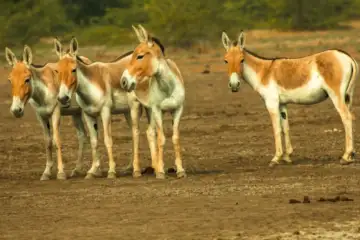
April is the final month before the brutal summer temperatures make it almost impossible to enjoy the Rann - time, therefore, for visitors with genuine curiosity about this extraordinary landscape to visit. The white salt flats shimmer with an almost hallucinatory quality under the intense blue skies; the horizon is indistinct, and distant objects seem to float over the flatness. Early morning and evening activity is best with the average temperatures of 32 to 38° C.
Three Things Rann of Kutch is Known For:
- The White Rann salt flats: These are over 7,500 square kilometres of compacted white salt that, mirror-like, reflect the sky. It's best to walk into the Rann at dusk, when the salt turns pink and there is no sound in any direction.
- Kala Dungar And The Gujarat-Pakistan Border: The highest point (462 metres) in Kutch offers the most dramatic Rann panorama stretching north toward Pakistan. It also hosts the Dattatreya Temple to which wild foxes come every day to be fed.
- Kutch Artisan Villages: In April, the workshops - in Ajrakhpur for block-printed textiles, Nirona for rogan art, and Hodka for traditional embroidery - are in full production. You can buy directly from master craftspeople.
Three Must-Dos In Rann of Kutch:
- Catch the sunrise at the White Rann: Make a 5 AM drive from Dhordo village to the salt flats, where you will find the rising sun painting the white surface gold and rose in absolute silence.
- Visit the Indian Wild Ass Sanctuary: The Little Rann is the only place in the world to see the Indian wild ass. Go in the morning for good sightings before the herds seek shade at midday.
- Explore Aina Mahal in Bhuj: A remarkable piece of Kutchi royal craftsmanship influenced by Europe, the 18th-century hall of mirrors in Aina Mahal Palace was commissioned by Rao Lakhpatji.
Best Time To Visit: April is the last month to visit the white salt desert before the summer seals it shut
How To Get There: Fly into Bhuj Airport or take an overnight train from Ahmedabad (seven to eight hours), then hire a cab or join a guided jeep safari to the Rann village of Dhordo (80 kilometres north).
8. Munnar, Kerala
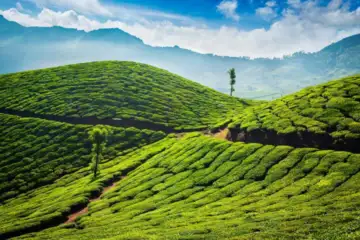
In April, Munnar sparkles - the temperature is still between 15° C and 28° C, the tea gardens are a brilliant emerald from recent rains, and the waterfalls are full. Everything in this high-altitude tea-growing region is particularly photogenic in April light. Eravikulam National Park is open, and Kerala's culinary and wellness traditions add comfort to an already beautiful mountain retreat.
Three Things Munnar Is Known For:
- Tea estates And The KDHP Museum: Kannan Devan Hills Plantations (KDHP) have cultivated tea here since the late 19th century. Visitors can have a sensory experience walking the estate trails in April, as pickers work the top rows and the aroma of processing drifts from the factory.
- Eravikulam National Park: This haven is home to the largest population of the critically-endangered Nilgiri tahr. In April, the ungulates graze just metres from the Rajamalai grassland trail and the controlled shuttle system effectively limits crowds.
- The Attukal And Lakkam Waterfalls: Both falls reach their visual peak in April. Lakkam is especially dramatic as it drops through a shola forest ravine with pools safe for a dip and trees full of Nilgiri flycatchers.
Three Must-Dos In Munnar:
- Trek to Meesapulimala for the sunrise: Meesapulimala is at an elevation of 2,640 metres. Depart at 4 AM on the guided eight-kilometre trail to witness a sunrise above the cloud layer. You also get the bonus of seeing the Western Ghat ridgeline stretching in every direction.
- Take an Ayurveda treatment: Choose a 90-minute Abhyanga (full-body oil massage) at a certified Kerala Ayurveda centre - book ahead as good centres fill quickly.
- Visit a tea factory during processing: The KDHP factory walkthroughs (typically 9 AM to 11 AM on weekdays) show the full withering, rolling, fermenting, and firing sequence. The smell of the tea is worth the visit.
Best Time To Visit: The tea gardens of Munnar are at their peak green in April before the monsoon.
How To Get There: Fly to Kochi (130 kilometres from Munnar) and then take a taxi for the 3.5-hour drive via the scenic Kothamangalam route. You can also take a KSRTC bus from Ernakulam, leaving several times daily. You can also drive the 150 kilometres from Coimbatore via Udumalpet.
9. Puducherry
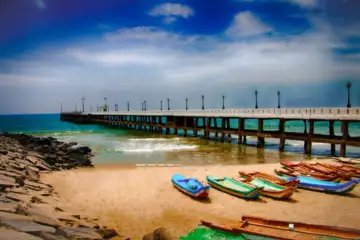
The union territory of Puducherry (formerly known as Pondicherry) is warm in April (30 to 35° C), but the sea breeze on the promenade and the shade of the French Quarter's bougainvillea-draped lanes make the heat bearable. Beach swimming is possible, the cafes and rooftop restaurants are fully operational, and the town's unique Franco-Tamil urban character is doing its thing. The Sri Aurobindo Ashram's guest facilities and Auroville are active as summer volunteers arrive. Mid-week visits are recommended for relaxation as weekends draw residents from Chennai and short-break travellers.
Three Things Puducherry is Known For:
- White Town (The French Quarter): This enclave - especially the bougainvillea-draped Rue Dumas and Rue Romain Rolland streets - is known for Colonial buildings in mustard yellow and pale blue, with wrought-iron balconies and shuttered windows. Walk here at dawn for an essential Puducherry experience.
- Sri Aurobindo Ashram: Founded in 1926, this is one of the most influential spiritual communities in India. The inner courtyard cocoons flowers, incense, and absolute stillness - it's open to respectful visitors who will observe silence.
- Auroville And The Matrimandir: This experimental international township 10 kilometres north of Puducherry houses 3,000 residents from 60 countries. It is centred around the Matrimandir, a golden sphere used for silent meditation. Visitors can explore the surrounding park and ancient banyan tree.
Three Must-Dos In Puducherry:
- Cycle the French Quarter at dawn: Rent a bicycle to trace the White Town loop at 6 AM before the streets fill. A perfect Puducherry morning can be experienced as the colonial facades sparkle in the early light and the smell of filter coffee draws you into bakeries.
- Catch the sunrise from the beach promenade: Join contemplative Puducherry locals at the sea wall along the car-free promenade at dawn to watch the sun rise over the Bay of Bengal in a clear-sky display.
- Take a French Tamil fusion cooking class: Homes in White Town and small schools offer cookery classes that combine French pastry techniques with South Indian spices; think croissants with curry leaf butter!
Best Time To Visit: The French Quarter in Puducherry is especially charming in April.
How To Get There: Fly into Chennai 145 kilometres away and take a taxi or an TNSTC bus to Puducherry. You can also take a direct train from Chennai or Bengaluru to Puducherry. Fast and frequent private coaches from Chennai are also available.
10. Lansdowne, Uttarakhand
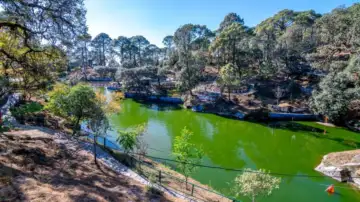
A small army cantonment town at an elevation of 1,700 metres, Lansdowne is one of Uttarakhand's least commercialised hill stations. Oak and rhododendron forests surround the Colonial-era buildings, and an uncrowded quietness prevails. In April, the rhododendrons bloom brilliant red, the clear air offers great Himalayan views, including glimpses of Trishul and other Garhwal peaks, and the temperature of 15° C to 25° C makes for walking the forest trails comfortably.
Three Things Lansdowne is Known For:
- The Tip N Top Viewpoint: A 30-minute walk through oak forest brings one to this ridge viewpoint where, on clear April mornings, the Himalayan snowline becomes visible above the forested ridges. The path is so quiet that the Garhwal Mandal Vikas Nigam (GMVN) has designated it a nature trail.
- Bhulla Lake And Forest Walks: Bhulla Lake, surrounded by oak and pine forest, is maintained by the Army. In April, the area is flush with rhododendrons, and hosts migratory birds. It is adjacent to the Garhwal Rifles Regimental Centre Museum.
- Durga Devi Temple And Cantonment Architecture: A lively local fair springs up at the Durga Devi Temple in April. You will also see the well-preserved cantonment streetscape of Gothic St Mary's Church (dating back to 1895) and stone Colonial bungalows.
Three Must-Dos In Lansdowne:
- Walk the forest trail to Tarkeshwar Mahadev: Take on a four-kilometre guided forest walk to a Shiva shrine deep in the oak belt. This is also an excellent birding habitat and offers a restorative silence.
- Gobirdwatching at dawn in the oak forest: Dawn walks between 5 AM AND 7 AM with a local guide will help you sight khalij pheasants, bar-tailed treecreepers, and newly-arrived warblers.
- Take a day trip to Kanvashram on the Kho River: A 14-kilometre drive takes you to the forested river confluence where Hindu tradition places Sage Kanva's hermitage. It is a historically-layered experience that most visitors completely miss.
Best Time To Visit: Lansdowne's undisturbed beauty in April makes it the ideal antidote to urban exhaustion.
How To Get There: The nearest railhead is Kotdwar (40 kilometres away), from where you can take a taxi to Lansdowne (about 1.5 hours). Driving from Delhi, via Meerut-Bijnor-Kotdwar, takes about six hours. Uttarakhand Roadways buses connect Kotdwar to Lansdowne.
11. Mahabaleshwar, Maharashtra
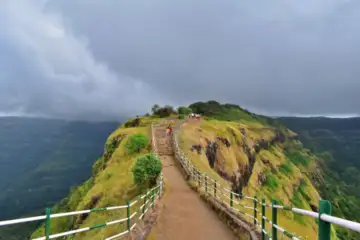
April is the last comfortable month in Mahabaleshwar before the monsoon hits the hill station June onwards. Temperatures range from 28° C in the day to 14° C at night. The strawberry season is at its tail end, but farm visits are still possible. The forests are intensely green, and the valley panoramas, in the clear pre-monsoon air of April, are spectacular from the plateau edge. The town and its satellite Panchgani are made for an easy two-day trip from Pune or Mumbai.
Three Things Mahabaleshwar is Known For:
- Arthur's Seat And The Valley Panoramas: Getting to Arthur's Seat promises a near-vertical 1,500m drop from the plateau edge to the Konkan plain below. On a clear morning, the Koyna River will glint on the valley floor and the Western Ghats wall will stretch unbroken in both directions.
- Venna Lake And The Old Town: Venna Lake is a Colonial-era boating lake surrounded by strawberry stalls and horse-riding concessions; it gives Mahabaleshwar the atmosphere of an old-fashioned Indian hill station that seems unchanged since Independence.
- Pratapgad Fort: This fort placed dramatically on a ridge is where Shivaji Maharaj met Afzal Khan in 1659, which was a defining episode in Maratha history.
Three Must-Dos In Mahabaleshwar:
- Visit a working strawberry farm: The Mahabaleshwar-Panchgani Road hosts farms that still run preserve and jam-making demonstrations with the final strawberries of the season.
- Catch the sunrise at Wilson Point: Wilson Point is the only east-facing viewpoint in Mahabaleshwar, and the only one from which a magnificent sunrise is visible.
- Make a day trip to Lingmala Waterfall: The two-kilometre shola forest trail leads to Lingmala Falls, which carries enough April water to be beautiful. Walking it is good for spotting birds and butterflies, and the simple pleasure of walking in cool forest.
Best Time To Visit: April is a good time to appreciate the last strawberries and the valley panoramas before the monsoon.
How To Get There: Fly into Pune International Airport (120 kilometres), then take a private taxi via Panchgani (three hours). MSRTC buses connect Pune to Mahabaleshwar (four hours). From Mumbai, allow five to six hours via NH48 and Pune. The nearest railheads are at Wathar or Satara (60 kilometres away), with taxis available to hire.
12. Hampi, Karnataka
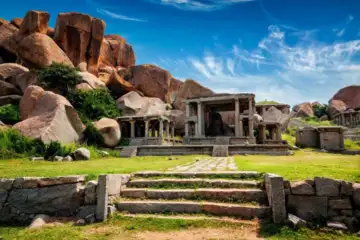
April is one of the last comfortable months to walk the boulder-strewn ruins of Hampi before the heat becomes oppressive. Temperatures reach 35° C in the day, but mornings and evenings are pleasant enough for exploration. It's important to start early, rest at midday, and wander again at dusk. Hampi is a UNESCO World Heritage site that demands slow exploration - and April is a great time to trace this empire's architecture in relative solitude.
Three Things Hampi is Known For:
- The Virupaksha Temple: This temple has been in continuous use for over a thousand years. Its gopuram rises 50 metres above the bazaar.
- The Vittala Temple And Stone Chariot: So precisely carved from a single granite rock that it seems to float, the iconic stone chariot is flanked by musical pillars with carved friezes.
- Sunrise From Matanga Hill: Climb 600 steps (it takes about 30 minutes) to be rewarded with a panorama of the Hampi Bazaar, the Tungabhadra, and endless granite boulders. Arriving by 5.45 AM will reward you with the sight of the sky shifting from violet to coral and gold.
Three Must-Dos In Hampi:
- Take a coracle ride on the Tungabhadra River: Cross to Virupapur Gadde in a traditional coracle; it's a budget-friendly 15-minute ride.
- Catch the sunset at the Hemakuta Hill temples: The Hemakuta cluster of Shiva towers perfectly frames the setting sun, even as the entire panorama turns amber-red at dusk.
- Hire a bicycle for the boulder trails: Pedal the seven-kilometre boulder corridor toward Anegundi village; you'll pass smaller, less-visited temple ruins that most visitors never find.
Best Time To Visit: April is a great time to explore the listed ancient ruins before the scorching peak summer heat sets in.
How To Get There: Fly to Hubli (90 kilometres) or Bengaluru (350 kilometres) and then take an overnight train to reach Hospet Junction (13 kilometres from Hampi). You can also take a direct bus from Bengaluru and Goa to Hospet.
13. Andaman Islands

In April, the sea conditions of the Andaman Islands are calm; visibility underwater reaches 20 to 30 metres, and the humidity hasn't yet hit its full tropical peak. Water temperatures hover around 28° C, making the weather ideal for snorkelling, scuba diving, and sea kayaking - and making it easy to appreciate the extraordinary marine biodiversity of the islands. On land, the beaches are beautiful without being commercialised, and the Andamanese history and indigenous culture add depth to your holiday. Book your stay well in advance.
Three Things The Andamans Are Known For:
- Radhanagar Beach, Havelock Island: The shell-white sand, the jade-to-cobalt water, and the forest coming down to the shoreline make Radhanagar one of Asia's finest beaches. The flat seas in April are great for long, safe swims.
- Cellular Jail, Port Blair: This was built in 1906 to isolate Indian freedom fighters in solitary confinement, and the sound-and-light show tells the stories of famous inmates including Savarkar.
- Neil Island Coral Reefs: This area is quieter than Havelock, and boasts shore-entry reefs and a natural rock arch carved by waves above the waterline - you only need a mask to snorkel here.
Three Must-Dos In The Andaman Islands:
- Get PADI Open Water certified: The weather in April is great to get a three-day open water certification at one of Havelock's many PADI centres.
- Sea kayak through the Baratang mangroves: Arrange a guided half-day kayak tour through a Port Blair operator to explore Baratang's limestone caves and mangrove creeks.
- Go snorkelling at night for bioluminescence: Book an evening boat trip from Havelock to snorkel in bioluminescent water - every movement of your hand in the dark sea glows blue-green.
Best Time To Visit: In April, the waters off the Andaman Islands are crystal clear before the monsoon marks the end of water sports.
How To Get There: Fly into Port Blair's Veer Savarkar Airport from Chennai, Kolkata, Delhi, Bengaluru, or Hyderabad. Take a 90-minute speedboat ride from Port Blair to Havelock or a 60-minute one to Neil Island. Book ferry tickets online via the Directorate of Shipping Services.
14. Majuli, Assam
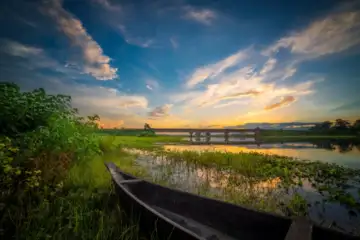
The world's largest inhabited river island sitting in the middle of the Brahmaputra River, Majuli in Assam is best experienced between November and April - before the monsoon floods arrive and reshape the landscape of the island. The April air is warm (28°C to 33° C) but the flat landscape and river breeze make exploration manageable. The Brahmaputra is calm enough for the ferry crossing, and the island's network of cycling paths between Vaishnava satras (monastery-village centres) can be explored in pleasant conditions. The mask-making tradition, classical Sattriya dance form (a UNESCO Intangible Heritage), and deeply spiritual Vaishnava culture make Majuli one of the most cultural destinations in northeast India.
Three Things Majuli Is Known For:
- Vaishnava Satras: Over 20 of these monastic institutions were founded from the 15th century onward, and visiting the Auniati, Kamalabari, and Garamur satras in April means access to Sattriya dance and devotional music.
- Traditional mask-making at Chamaguri Satra: In April, the workshops are full of activity creating full-body papier-mâché masks for Bhaona performances. The master craftspeople often welcome curious observers.
- Sunrise over the Brahmaputra: The river can be 15 kilometres wide at Majuli, and local operators organise canoe excursions to help visitors experience a stunning sunrise.
Three Must-Dos In Majuli Island:
- Attend evening raas at a satra: You can request permission to attend an evening prayer session at Auniati or Kamalabari satra - you will be mesmerised by the khol drumming, cymbals, and devotional singing in the prayer hall.
- Cycle between satras on island paths: Rent a bicycle from Garamur market to pedal the earthen paths between satras - the flat topography means you can explore the whole island over two days.
- Stay in a Mishing tribal homestay: Built of bamboo on stilts, these homestays serve freshwater fish curry and fermented bamboo dishes cooked over wood fires; this is a very authentic local experience that most outsiders miss out on.
Best Time To Visit: April is a good time to explore the largest river island in pre-monsoon serenity.
How To Get There: Fly into Jorhat Airport and then take a one-hour taxi ride to Nimati Ghat for the government ferry to Kamalabari Ghat on Majuli, a one-hour ride. The last ferry departs around 3 PM - make sure you arrive early. On-island transport includes bicycles, e-rickshaws, and local jeeps.
15. Spiti Valley, Himachal Pradesh
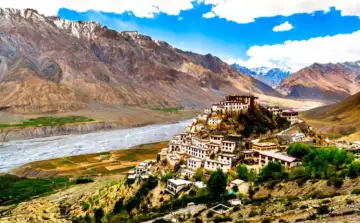
In April, Spiti's mountain roads reopen after the winter. The snow still clings to peaks above 5,000 metres, while the lower slopes are starting to show their green. Temperatures range between 2° C and 15° C, offering crisp weather ideal for trekking and exploring without the summer crowds. The Himalayan monasteries such as Key and Dhankar feel almost otherworldly in this shoulder season calm.
Three Things Spiti Valley Is Known For
- Key Monastery (above): Sited at an elevation of 4,166 metres, this is one of the oldest Tibetan Buddhist monasteries in Spiti. Its whitewashed tiers stand out against a stark cliff, and within are thangkas, weapons, and butter lamps that have burned for centuries.
- Chandratal Lake: This 'Moon Lake,' sited 4,300 metres above sea level, turns an ethereal turquoise blue as light shifts through the day.
- Langza Fossil Village: Marine fossils are embedded in rock in a tiny village at 4,400 metres' elevation, watched over by a giant golden Buddha statue.
Three Must-Dos In Spiti Valley:
- Drive the Kunzum Pass Road: The drive toward Kunzum La (4,551 metres) rewards adventurers with stunning views over the Pin and Spiti Valleys. Don't set out without first checking local road conditions, and carry emergency supplies with you.
- Attend a prayer session at a monastery: Join the monks at Key or Tabo for prayers at dawn. The horns and chanting are mesmerising as the sun breaks over the monastery courtyard.
- Stay with a Spitian family: Spend a night with a local family in Kaza or Kibber; you will have the opportunity to experience fireside thukpa, butter tea, and insights into how locals live life with six months of snowfall a year.
Best Time To Visit: April is a great time to visit Spiti Valley as the high-altitude desert becomes accessible again after winter.
How To Get There: Fly into Bhuntar Airport (Kullu-Manali) or Chandigarh, then travel by road via Manali-Rohtang-Kunzum (confirm that the road is open first). The Shimla-Narkanda-Reckong Peo route is more likely to be open in April. Shared and private taxis run from Manali and Reckong Peo to Kaza.
Frequently-Asked Questions (FAQs)
Q. When is the best time to visit these destinations?
A. All these 15 destinations are great to travel to in April. The month sits in a sweet spot when the mountains are reopening after winter, the coasts are clear and warm before the monsoon, and the plains are still comfortable before the stifling summer heat sets in.
Q. Which of these destinations are good for outdoor activities?
A. Spiti Valley, Kasol and Kheerganga in Himachal Pradesh, Sandakphu in West Bengal, and Munnar in Kerala are great for trekking. In fact, the rhododendron-lined Singalila Ridge in Sandakphu is at its most spectacular in April.
Q. Which of these destinations are suitable for water sports?
A. The Andaman Islands are perfect for water sports in April. The calm seas with underwater visibility of 20 to 30 metres are ideal for scuba diving, snorkelling, and sea kayaking.
Q. Which of these destinations are best for wildlife and birdwatching in April?
A. Four in particular are great for wildlife and birding experiences. The Ziro Valley is where you will spot red pandas and Ward's trogon; the Nilgiri tahr can be seen in Munnar and Eravikulam National Park, the Indian wild ass in Rann of Kutch, and migratory birds in Lansdowne.
Q. Do any of these destinations require special permits?
A. Yes. Non-Arunachal Pradesh visitors to Ziro Valley in Arunachal Pradesh require an Inner Line Permit (ILP), which can be obtained online through the state government portal before travel.