






Iron is vital in the manufacture of haemoglobin, which enables oxygen to be carried throughout the body, and a deficiency in this mineral can result in tiredness, weakness, and conditions such as iron-deficiency anaemia.
It can sometimes be difficult to keep levels of this vital mineral in balance on a vegetarian diet, especially when most iron-rich foods are associated with meat products.
However, with a little thought, a vegetarian diet can provide all the iron required, provided you know where to look for it.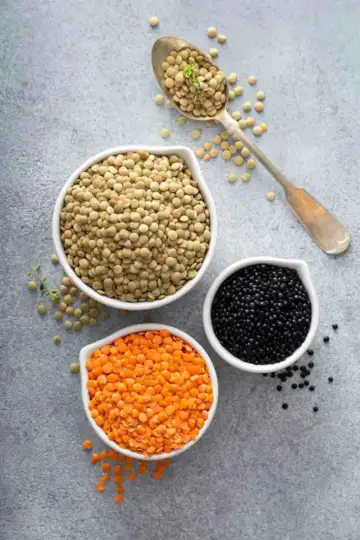
1. More Lentils and Legumes
The most easily available and cost-effective sources of plant-based iron are masoor dal, moong dal, chickpeas, kidney beans, among others. Not only do these food items contain a considerable amount of iron, but they are also good sources of protein and fiber. Thus, they can act as a complete food for your body. Inclusion of these food items in your daily schedule can help you increase your iron levels considerably without affecting your diet in any major way.
Tip: Try mixing two or more varieties of lentils in a single dish.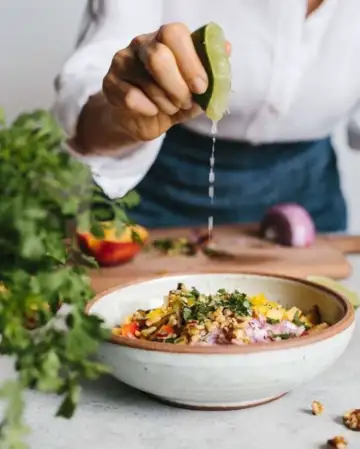
2. Pair With Vitamin C
It has been found that by pairing plant-based iron with foods that have vitamin C, the absorption of iron can increase by a large factor. For example, simply squeezing some lemon on your dal, adding some tomatoes to your curry, or having a fruit such as an orange or guava along with your food can increase the absorption of iron by a large factor.
Tip: Add a side of fresh salad with lemon dressing to your meals.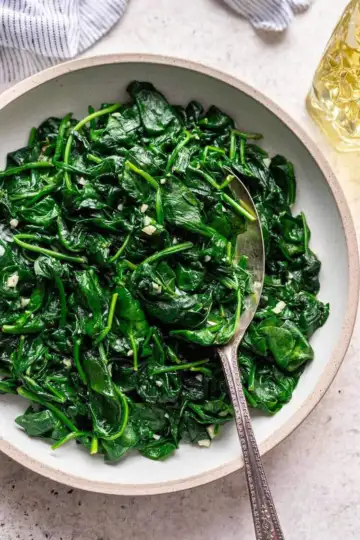
3. Dark Leafy Greens
Dark leafy greens such as spinach and fenugreek leaves are rich sources of iron and other nutrients. These vegetables are already included in many dishes, making it easier to add them to your diet. Whether it is adding them using them as fillings in your diet or making them into simple curries, these vegetables can add to your daily iron intake. They also add other nutrients to your diet apart from iron.
Tip: Try lightly sautéing or steaming leafy greens to retain the nutrients and add flavor to them.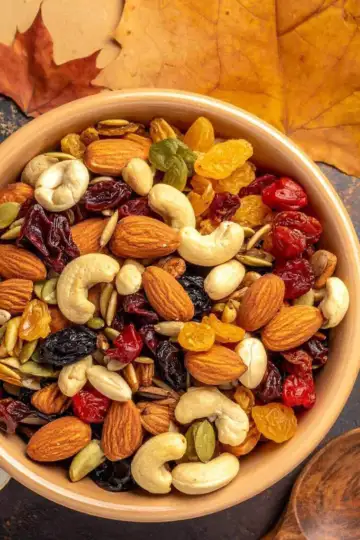
4. Nuts and Seeds
When it comes to iron-rich foods, nuts and seeds are often not considered but these are actually good options for a vegetarian diet. Almonds, pumpkin seeds, sesame seeds, and flaxseeds are not only rich in iron but also contain healthy fats and protein. Having these nuts and seeds as a snack or a part of your meals will not only help you boost your iron levels but also do so without any effort. These are also very convenient and do not require any processing.
Tip: Roast the seeds and store them in a jar.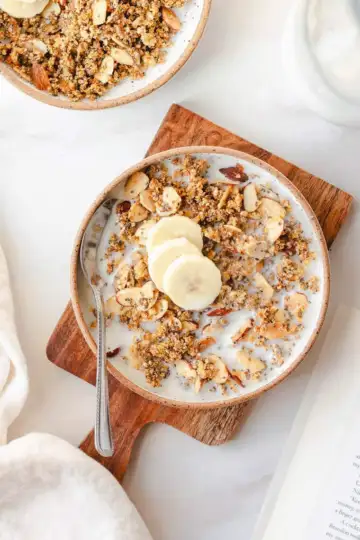
5. Iron-Fortified Foods
Iron-fortified foods include breakfast cereals, flour, and milk, among other foods. These foods can be quite beneficial to people who cannot get enough iron through natural sources. Therefore, iron-fortified foods will provide you with an extra boost of nutrients without altering your eating habits. Although iron-fortified foods cannot be relied upon exclusively, they can be quite beneficial to you.
Tip: Check the labels on various food packages to know which ones contain iron and other nutrients.
6. Avoid Tea or Coffee After Meals
Tea and coffee are an essential part of everyone's routine. However, consuming them after meals can affect iron levels. Tea and coffee have components like tannins and caffeine, which can decrease the capacity of the body to absorb non-heme iron. This means that even if you are consuming iron-rich foods, your body might not be able to utilize them to the fullest, or you might have to wait for 30 to 60 minutes after taking your food.
Tip: You can have warm water or vitamin C instead of tea after your meals.
Frequently Asked Questions (FAQs)
Q. What are the best vegetarian sources of iron?
A. The best vegetarian sources of iron are lentils, chickpeas, kidney beans, tofu, spinach, amaranth leaves, nuts, and seeds. In addition, there are whole grains and fortified foods that can provide a significant amount of iron.
Q. Why is iron important for the body?
A. Iron is essential for the production of haemoglobin and iron deficiency anaemia. which is vital for carrying oxygen in the body. Lack of enough iron in the body can cause tiredness, weakness, dizziness, and in severe cases, iron deficiency anaemia.
Q. What are the best vegetarian sources of iron?
A. Some of the best vegetarian sources of iron include lentils, chickpeas, kidney beans, tofu, spinach, amaranth leaves, nuts, and seeds. Whole grains and iron-fortified products also play a major role in the supply of iron.
Q. How can vegetarians improve iron absorption?
A. In the diet of vegetarians, iron can be easily absorbed with the help of vitamin C. Vitamin C is readily available in the form of lemon, oranges, tomatoes, and bell peppers. It is recommended to avoid tea and coffee after the consumption of the meal.
Q. What are the signs that show if I have low iron levels?
A. Some of the main symptoms of low iron levels include fatigue, paleness, shortness of breath, dizziness, and frequent headaches. It is recommended to consult a doctor if these symptoms occur.