





Image: Shutterstock
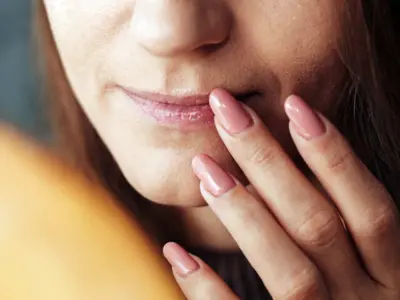
Dry, chapped lips are common and often triggered by dehydration, weather, and daily habits.
Natural DIY remedies can help restore moisture and repair the lip barrier.
Simple kitchen ingredients offer effective, research-backed lip care benefits.
Consistent care and prevention are key to keeping lips soft and healthy.
Dry and chapped lips may seem like a small concern, but they can be uncomfortable, persistent and difficult to heal without the right care. Factors like cold weather, dry air, dehydration and frequent lip licking can weaken the delicate lip barrier, leading to flakiness and cracks.
The good news is that effective lip care doesn't always require expensive products. Simple, natural ingredients found at home can help nourish, hydrate and protect lips when used regularly, making them a gentle yet powerful solution for long-term lip health.
1. Honey Coating and Sealing
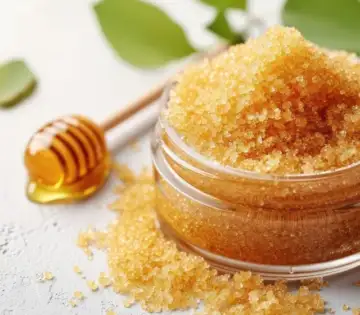
Image: Pinterest
Honey is a natural humectant, which means it attracts and locks in moisture, making it ideal for healing dry, chapped lips. It also helps soften rough texture and supports the skin's natural repair process. Regular exposure to dry air can weaken the lip barrier, and honey works gently to restore comfort and smoothness. Its soothing nature makes it suitable even for sensitive lips.
According to a study published in wound-care research, honey shows antimicrobial and healing properties that help repair damaged skin barriers and improve hydration levels over time.[1]
How to use:
Apply a thin layer of pure honey on your lips.
Leave it on for 10-15 minutes.
Rinse with lukewarm water or gently wipe.
Pro tip: Raw or unprocessed honey offers better skin-repair benefits than refined varieties.
2. Coconut and Sugar Exfoliating Lip Scrub
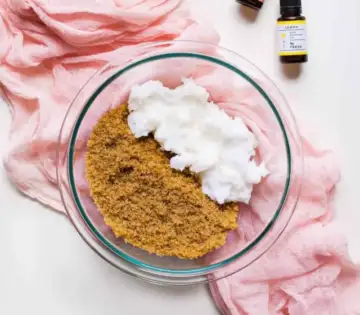
Image: Pinterest
This combination helps remove flaky, dead skin while ensuring lips don't feel stripped or irritated. Sugar provides gentle exfoliation, while coconut oil replenishes lost moisture and improves softness. Exfoliating helps other lip treatments absorb better and restores a naturally smooth appearance. It's especially helpful during colder months when lip skin turnover slows down.
Research indicates that mild physical exfoliation improves skin renewal and enhances moisture absorption. Studies on coconut oil show it strengthens the skin barrier and reduces transepidermal water loss.[2]
How to use:
Mix coconut oil with double the quantity of sugar.
Apply the scrub and massage.
Rinse and follow with a balm.
Pro tip: Gentle exfoliation once or twice a week is enough-overdoing it can worsen dryness.
3. Aloe vera Balm
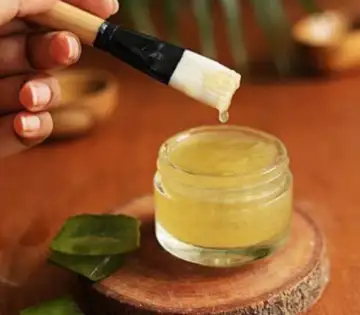
Image: Pinterest
Aloe vera is known for its calming and hydrating properties, making it excellent for irritated or peeling lips. It helps reduce discomfort while supporting natural healing and improving skin elasticity. Aloe also creates a lightweight protective layer that prevents further moisture loss. Its cooling effect brings instant relief to sore lips.
Clinical studies suggest aloe vera supports skin regeneration and improves moisture retention. Research also points to its anti-inflammatory compounds that help heal damaged skin faster.[3]
How to use:
Scoop out fresh aloe gel and whisk until smooth.
Apply a thin layer like a lip mask.
Leave on for 5-7 minutes and wipe.
Pro tip: Pure aloe gel works best without added fragrance or alcohol.
4. Classic Overnight Ghee Pack
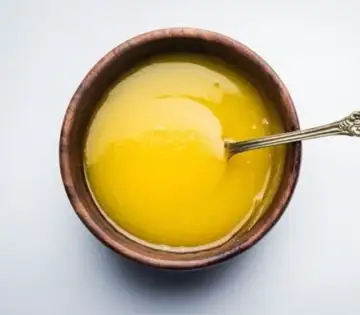
Image: Pinterest
Ghee is deeply nourishing and rich in fatty acids that help strengthen the delicate lip barrier. It provides long-lasting moisture and prevents transepidermal water loss, which is a major cause of chapped lips. Ghee also supports skin repair, making lips feel softer and healthier over time. This traditional remedy is especially effective for extreme dryness.
Studies on lipid-rich moisturizers show that natural fats help restore compromised skin barriers. Research supports their role in improving softness and reducing dryness over time.[4]
How to use:
Warm a tiny amount of ghee.
Massage onto lips before bedtime.
Leave it on overnight.
Pro tip: A small amount goes a long way for overnight nourishment.
5. Cooling Cucumber Dabs
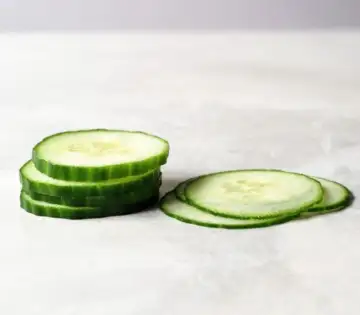
Image: Pinterest
Cucumber helps hydrate lips while calming irritation caused by dryness or sun exposure. Its high water content refreshes dull, tired lips and reduces the tight, uncomfortable feeling associated with dehydration. Cucumber also contains antioxidants that support healthier-looking skin. It's a great option when lips feel overheated or inflamed.
Scientific research highlights cucumber's antioxidant and hydrating properties. Studies show it can help reduce skin dryness and support overall skin comfort.[5]
How to use:
Slice a cucumber, and rub the slice over your lips.
Let the juice sit for another five minutes.
Pat dry.
Pro tip: Fresh cucumber offers better hydration benefits than stored slices.
6. Milk and Rose Petal Mask
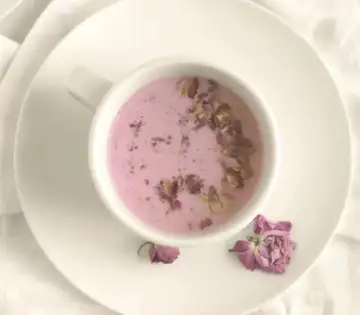
Image: Pinterest
Milk helps soften and condition dry lips, while rose petals add soothing and antioxidant benefits. This combination supports gentle hydration and improves lip texture over time. It also helps revive dull lips and enhances their natural softness. The remedy is especially beneficial for lips affected by pollution or environmental stress.
According to a research, lactic acid in milk supports mild exfoliation and hydration. Rose extracts have been studied for their calming and antioxidant properties that benefit sensitive skin.[6]
How to use:
Soak a few rose petals in a tiny quantity of milk.
Mash into a thick paste.
Apply for ten minutes and rinse.
Pro tip: This remedy is best suited for lips that feel dull along with dry.
7. Shea Butter Moisture Seal
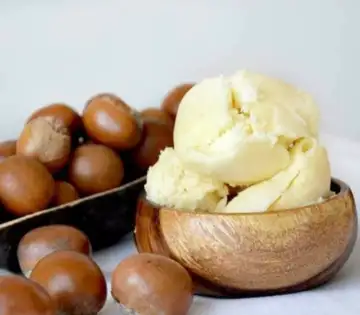
Image: Pinterest
Shea butter is a powerful emollient that deeply nourishes and seals in moisture. It helps repair cracked lips by strengthening the skin barrier and preventing further dehydration. Rich in vitamins and fatty acids, shea butter improves lip softness and elasticity. It's ideal for long-term lip care during harsh weather.
Scientific studies confirm that shea butter improves skin elasticity and hydration. Research also notes its anti-inflammatory compounds that support healing of dry skin.[7]
How to use:
Take a tiny amount of shea butter.
Warm it between your fingertips.
Spread on lips evenly and reapply as needed.
Pro tip: Unrefined shea butter retains more natural nutrients.
8. Green Tea Compress

Image: Pinterest
Green tea helps soothe dry lips while protecting them from environmental damage. Its antioxidant properties support skin repair and reduce inflammation caused by dryness or sun exposure. Green tea also helps calm sensitivity and improve overall lip health. It's a great choice for stressed or irritated lips.
Research has shown that green tea polyphenols help reduce inflammation and strengthen the skin barrier. Studies suggest regular antioxidant exposure supports smoother, more resilient skin.[8]
How to use:
Dip a green tea bag in warm water.
Let it cool slightly.
Press the bag onto your lips for 2-3 minutes.
Follow with your favourite balm.
Pro tip: Green tea benefits are best when it's freshly brewed.
What can you do to prevent dry and chapped lips?
- Stay well-hydrated throughout the day
Dehydration often shows up first on the lips. Drinking enough water helps maintain natural moisture levels and keeps lips from becoming dry and tight. - Use a nourishing lip balm regularly
A good lip balm helps seal in moisture and protect lips from environmental damage like cold air, wind, and pollution. Consistent use supports softer, healthier lips. - Avoid licking or biting your lips
Saliva evaporates quickly and strips away natural oils, making lips drier over time. Repeated licking or biting can also worsen cracks and irritation. - Protect lips from harsh weather conditions
Cold winds, dry air, and strong sun exposure can damage the delicate lip skin. Covering lips or using protective products helps prevent moisture loss. - Limit exposure to irritants
Certain lip products, fragranced cosmetics, and even toothpaste ingredients can trigger dryness or sensitivity. Choosing gentle formulations reduces the risk of chapping. - Use a humidifier in dry environments
Dry indoor air can pull moisture from the skin and lips. Adding humidity helps maintain hydration, especially during winter or in air-conditioned spaces. - Maintain a balanced diet
Nutrient deficiencies, especially in vitamins and healthy fats, can contribute to dry lips. A well-rounded diet supports overall skin and lip health.
Key Takeaways
Dry and chapped lips are often caused by dehydration, weather changes, and a weakened skin barrier.
Natural DIY remedies can help soothe, hydrate, and repair lips when used consistently.
Ingredients like honey, aloe vera, ghee, and shea butter support moisture retention and healing.
Gentle exfoliation helps remove dead skin, allowing lips to absorb nourishment better.
Research-backed natural ingredients can improve lip hydration and reduce irritation.
Preventive care, such as hydration and lip protection, is key to maintaining soft, healthy lips year-round.
Frequently Asked Questions (FAQs)
Q. How to solve dry chapped lips?
A. Ensure exfoliation using natural scrubs like sugar and honey to remove dead skin cells. Next, make sure you use shea butter or aloe vera atop your lips for hydration..
Q. What is the fastest way to heal chapped lips?
A. The best advice is to use a lip mask, either shea butter, honey or aloe vera. This can repair cracks and ensure moisturisation to make your lips supple.
Q. My lips are hurting. What can I do?
A. Grab some cucumber slices and then follow with aloe vera and green tea compress.
Q. What's the best home remedy for dry lips?
A. Nothing beats a combination of honey and coconut oil. It heals the sensitive skin and hydrates the lips.
Q. How can I avoid dry chapped lips in future?
A. Good body hydration, weekly exfoliation and a balm for daily use can help reduce dry chapped lips. Also, on a side note, try not to pick at dead skin or lick your lips.
Sources
- Tashkandi H., Honey in wound healing: an updated review (2021) https://pmc.ncbi.nlm.nih.gov/articles/PMC8496555/?
- Lin, T.-K., Zhong, L., & Santiago, J. L. (2018). Anti-Inflammatory and Skin Barrier Repair Effects of Topical Application of Some Plant Oils. International Journal of Molecular Sciences https://www.mdpi.com/1422-0067/19/1/70
- Surjushe, A., Vasani, R., & Saple, D. G. (2008). 'Aloe vera: A Short Review.' Indian Journal of Dermatology.https://pmc.ncbi.nlm.nih.gov/articles/PMC2763764/
- Ghee : Its Properties, Importance and Health Benefits https://www.researchgate.net/profile/Anil-Kumar-233/publication/339499398_Ghee_Its_Properties_Importance_and_Health_Benefits/links/5e562e67299bf1bdb83b26d3/Ghee-Its-Properties-Importance-and-Health-Benefits.pdf
- Mukherjee P.K., Phytochemical and therapeutic potential of cucumber (review) https://pubmed.ncbi.nlm.nih.gov/23098877/
- Benefits of Rose Water and How We Use It, Healthline, https://www.healthline.com/health/rose-water-benefits
- Investigation of the in vitro effects of shea butter on skin barrier function and hydration using analytical chemistry methodologieshttps://www.researchgate.net/profile/Abdulwasiu-Salaudeen-Olawale-2/publication/393400196_Investigation_of_the_in_vitro_effects_of_shea_butter_on_skin_barrier_function_and_hydration_using_analytical_chemistry_methodologies/links/6867a2ad07b3253fd1cc380a/Investigation-of-the-in-vitro-effects-of-shea-butter-on-skin-barrier-function-and-hydration-using-analytical-chemistry-methodologies.pdf
- Xu F.W. et al., Beneficial effects of green tea EGCG on skin wound healing (review, 2021 / MDPI) https://pmc.ncbi.nlm.nih.gov/articles/PMC8540743/
Disclaimer: This content is for informational purposes only and is not medical advice. Consult a qualified professional before making any health, diet or skincare changes.
Also Read: 3 DIY Homemade Balms To Treat Chapped Lips