
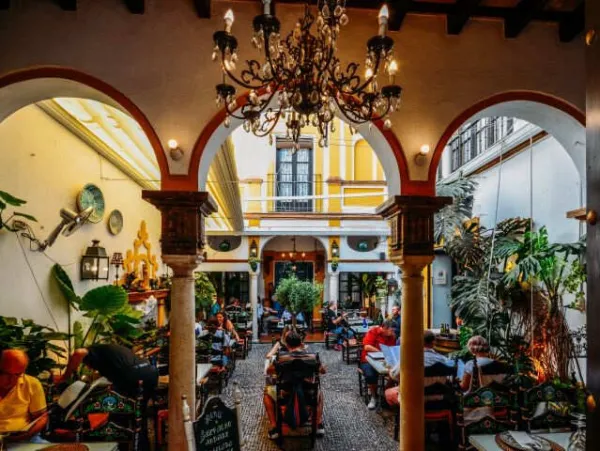

Seville is magical in Spring. Its sun-drenched plazas hum with life, the air is redolent with the perfume of orange blossom, and you can feel centuries of Andalusian life woven into every cobblestone.
If you're looking for a European break that is built on bold flavours, lots of footwork, and unforgettable nights, this vibrant southern capital is the destination to pick.
Here are six reasons to book those tickets…
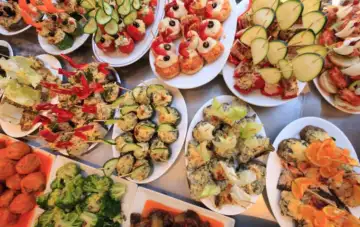
1. Tapas Is More Than Just A Snack
The art of tapas is a way of life in Seville. Locals indulge in a ritual called tapeo, hopping from bar to bar to sample small dishes such as gambas al ajillo (garlic prawns), jamón ibérico, and salmorejo (cold tomato soup) with each round of drinks.
Tip: Looking for an authentic, non-touristy experience? Head to the Triana barrio or Calle Mateos Gago.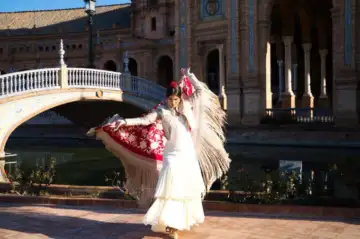
2. Flamenco Is The Heartbeat of Andalusia
You cannot come away from Seville without watching live flamenco. It is an unforgettable cultural experience that is made up of the snap of castanets, the stomp of heels, and the anguish of cante jondo (deep song) combining into something visceral.
Tip: Visit intimate tablaos (flamenco venues) such as Casa de la Memoria or La Carbonería for authentic performances.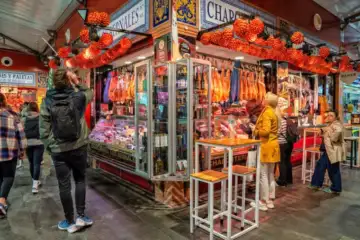
3. The Triana Neighbourhood Is The Birthplace Of Flamenco
Make your way to Triana across the Guadalquivir River. Considered the cradle of flamenco, this working-class barrio (neighbourhood) is vibrant with lively market stalls, colourful ceramic-tiled facades, and riverside terraces.
Tip: Step into the Centro Cerámico Triana to gain insights into the neighbourhood's deep connection to Andalusian pottery.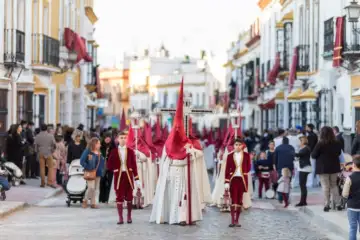
4. Spring Is The Time For Festivals
Spring is when Seville vibrates with festivities. Elaborate, candlelit processions wind through the ancient streets during Semana Santa (Holy Week) in solemn pageantry. Just weeks later, the Feria de Abril brings flamenco dresses, horses, and sherry at dawn.
Tip: Both events are reason enough to book a flight.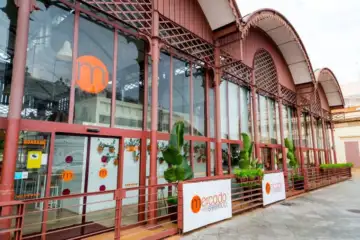
5. Markets, Mercados, And Food Trails Are On The Menu
Deep dive into Sevillano food culture by exploring the Mercado de Triana or Mercado Lonja del Barranco (above), a stunning iron market by the riverside. Enjoy fresh olives, artisanal cheeses, and fried fish (think the beloved pescaíto frito).
Tip: Local guides lead food tours that offer rich context on how tapas culture evolved from a simple bar tradition into an art form.
6. Iconic Sights Await Between Bites and Beats
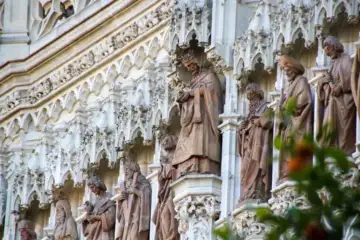
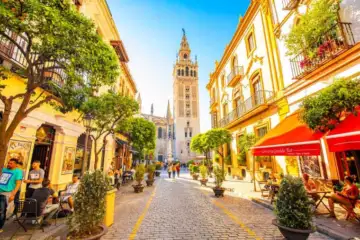
Seville's cultural landmarks are as important as its culinary and musical indulgences. Explore UNESCO-listed sites such as the golden Real Alcázar Palace, the soaring Gothic cathedral(above), and the Moorish La Giralda tower.
Tip: Stroll the old Jewish quarter - the Barrio Santa Cruz - between stops for tapas.
7. Here Are Practical Tips To Get The Most Out Of Seville
- You need at least four nights to scratch the surface of Seville.
- Eat late like the Sevillanos: lunch is usually around 2PM to 3PM; dinner rarely starts before 9 PM.
- Dress smartly for flamenco shows.
- Book tablaos in advance.
- The city is very walkable, but you can also take the tram or hire a bike to cover more ground.
Frequently-Asked Questions (FAQs)
Q. When is the best time to visit Seville in Spring?
A. Warm weather and two major festivals make it ideal to visit Seville in late March to May.
Q. How much does a flamenco show cost?
A.Tablao tickets typically cost from €20 (Rs 2,200) to €45 (Rs 4,900), sometimes including a drink or dinner.
Q. Are tapas free in Seville?
A. A delightful old custom that survives in Seville is that a small tapa sometimes comes free with each drink in some traditional bars.
Q. Is Seville safe for solo travellers?
A. Seville is generally very safe but do be careful of pickpockets in tourist areas - as with any big city.
Q. How many days do I need in Seville?
A. To cover the key sights, enjoy tapas, and catch a flamenco show, you need a minimum of four nights.