
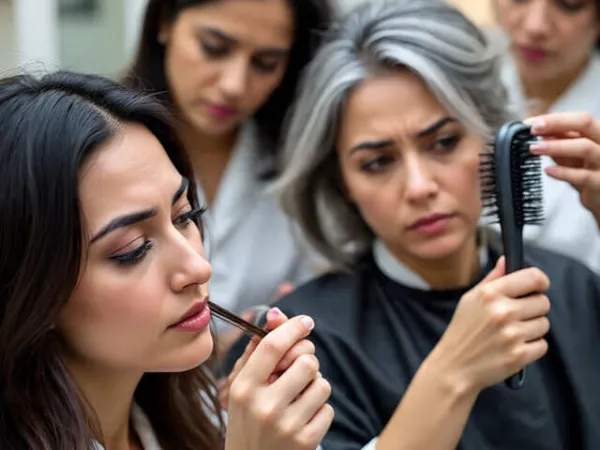

'Apply coconut oil, wash your hair twice a week, don't use a comb on wet hair' - these are some of the common pieces of advice given for hair-related concerns.
And this often remains the same for someone in their 20s, 30s, or even 40s and beyond. Hair fall is one of the most common concerns people face today, but there is no one-size-fits-all solution. Many assume that the same oil, supplement or treatment will work regardless of age and other external factors. But in reality, hair health changes significantly as the body evolves through different life stages.
Lifestyle patterns, hormonal shifts, genetics and even tissue health influence how hair grows and sheds over time. What works for someone in their early twenties may not be effective for someone in their thirties or forties.
Saloni Anand, Co-founder of Traya, explains that the biggest misunderstanding about hair fall is assuming it has a single universal solution. 'Hair loss at 22 is very different from hair loss at 35 or 45. The causes vary, the speed of shedding changes, and the condition of hair follicles evolves at every life stage,' she clarifies. Understanding how hair fall differs across age groups is key to managing it effectively.
Hair Fall In Your 20s

Image: Shutterstock
Reason: Often Linked to Lifestyle
In the early twenties, hair fall is frequently connected to lifestyle habits rather than long-term biological changes. According to Saloni, stress, irregular sleep, poor nutrition, crash dieting and excessive screen exposure can disrupt the natural hair growth cycle. Smoking and alcohol consumption can further aggravate the issue.
'At this stage, follicles are still active and responsive, but early warning signs are frequently ignored,' she explains. Mild thinning may seem harmless initially, but neglecting it can allow the condition to gradually worsen.
What The Ayurveda Says?
From an Ayurvedic perspective, Dr Kriti Paul, Ayurvedic Expert at Traya Health, notes that the twenties are typically dominated by Pitta dosha, which governs metabolism and heat in the body.
'Modern habits such as spicy and processed foods, late nights, excessive screen exposure and emotional stress aggravate Pitta. This can manifest as scalp inflammation, dandruff, early greying and stress-related shedding,' she explains.
The focus during this phase is often on balancing lifestyle habits, calming inflammation and nourishing the scalp so follicles remain healthy.
Hair Fall In Your 30s

Image: Shutterstock
Reason: Hormones and Internal Imbalances
Hair loss patterns often become more complex in the thirties. Hormonal shifts, medical conditions and genetics begin playing a stronger role. Saloni points out that issues such as thyroid imbalance, postpartum changes and PCOS in women along with genetic predisposition in men may start influencing hair density. 'Hair loss is rarely surface-level at this stage; it often reflects deeper internal imbalances,' she explains.
What The Ayurveda Says?
Ayurveda also views this decade as a period where both Pitta and Vata doshas may be affected, especially due to chronic stress. Dr Kriti says that this stage requires deeper nourishment and rejuvenation. 'The focus shifts toward strengthening tissues, improving digestion and ensuring adequate intake of nutrients such as iron, calcium and quality protein.'
Hair Fall In Your 40s
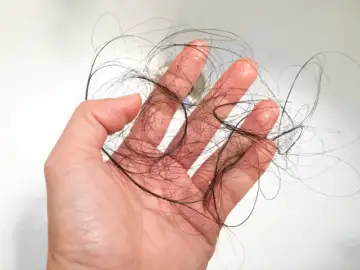
Image: Shutterstock
Reason: Ageing and Slower Regrowth
In the forties, hair fall is often linked to natural ageing processes and hormonal transitions. Saloni explains that tissue regeneration slows down during this stage, which directly affects hair growth cycles. 'Hair strands may become thinner and more fragile, and regrowth takes longer,' she says. Hormonal shifts such as menopause can also influence hair density and scalp health.
What The Ayurveda Says?
Dr Kriti adds that Ayurveda associates this stage with increased Vata dosha, which can lead to dryness, thinning and slower hair regrowth. 'Management at this stage emphasises deep nourishment, regular oiling, gentle detoxification practices and lifestyle routines that support systemic balance,' she explains.
Because tissue strength declines gradually over time, improvements may take longer and require sustained care.
Why Personalised Care Matters
Hair fall is rarely caused by a single factor. It is often the result of multiple influences including lifestyle, hormones, nutrition, genetics and age. Rather than relying on generic remedies, addressing the underlying cause at the right stage of life is what truly supports long-term hair health.
Frequently Asked Questions
- Is hair fall in your 20s reversible?
A. Yes. Since hair follicles are usually still active in the twenties, lifestyle corrections, improved nutrition and stress management can often help reverse early hair fall. - Why does hair fall increase in the 30s?
A. Hormonal changes, thyroid issues, PCOS, postpartum recovery and genetic factors commonly contribute to increased hair thinning during this decade. - Does ageing naturally cause hair thinning?
A. Yes. After the forties, tissue regeneration slows down and hormonal transitions can make hair strands thinner and regrowth slower. - Can diet influence hair health at every age?
A. Nutrients like iron, protein, calcium and essential vitamins play a crucial role in supporting healthy hair growth across all life stages. - When should someone consult a specialist for hair fall?
A. If hair fall persists for several months, worsens suddenly or is accompanied by thinning patches or scalp issues, it is advisable to seek medical or dermatological advice.
Also Read: Skincare Rules In Your 20s, 30s, 40s And Beyond