




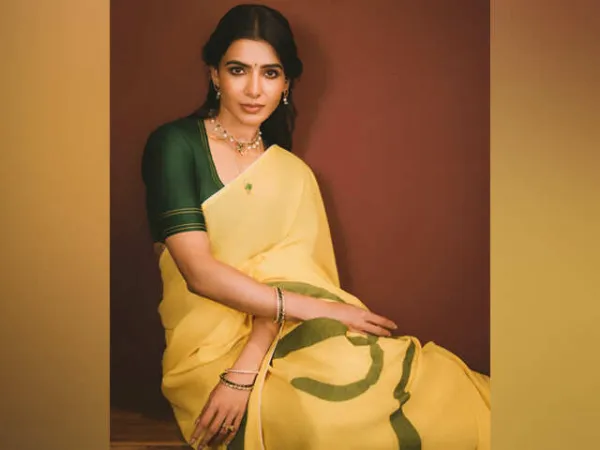

Image: Instagram
India's relationship with the sari dates back many centuries, making it far more than just a piece of fabric—it is a symbol of elegance and tradition.
What truly sets it apart is how it is worn, with each drape reflecting the cultural identity of a region. Across the country, the same six or nine yards transform into distinct silhouettes, shaped by geography, lifestyle and local customs. Every region tells its story through the way a sari is draped.
Here's a closer look at some of India's most distinctive sari draping styles.
Andhra Pradesh
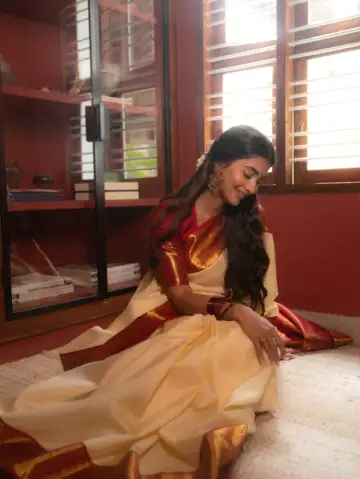
Image: Instagram
Nivi Drape
The most widely recognised style today, the Nivi drape originated from Andhra Pradesh, features neatly tucked pleats at the waist with the pallu falling over the shoulder. Clean, structured and easy to wear, it has become the default style of sari drape across India.
Kappulu Style
This variation stands out for its reverse wrapping technique, draped from left to right. The pleats form unique folds around the waist, giving it a distinctive silhouette.
Gochi Kattu
Similar to the Nauvari style, this drape allows the sari to be worn in a dhoti format. Designed for ease of movement, it has long been associated with farming and working women in rural regions. It creates a dhoti-like silhouette with the fabric secured at the back and a neatly draped pallu over the shoulder, offering both comfort and practicality.
Assam
Mekhela Chador
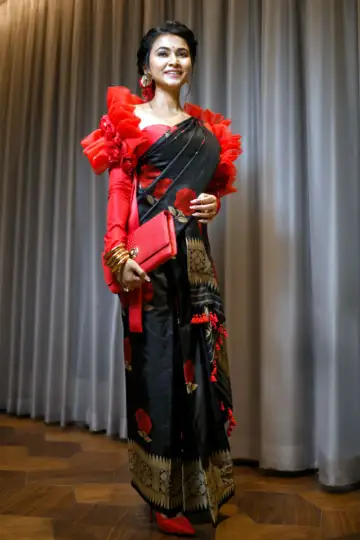
Unlike a single drape, this style uses two pieces - the cylindrical lower wrap called the mekhela and a draped upper cloth placed over the shoulder called the chador. The result is a graceful, layered silhouette that feels both traditional and elegant.
Goa
Kunbi Drape
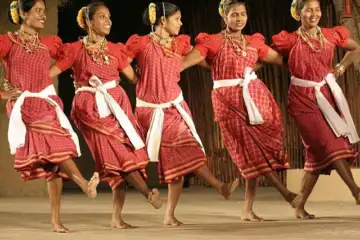
It is worn by the Kunbi Christian farm labour in Goa. Traditionally worn without a petticoat, this drape wraps the sari around the body and ties it over the shoulder. Its shorter length and secure fit make it ideal for everyday work.
Dhangad Drape
Also known as the shepherd's drape worn in north Goa. This style involves knotting the sari at the waist and wearing it in a dhoti-like form. It is a short knee-length practical, comfortable drape that is built for active movement.
Gujarat
Seedha Pallu or Gujarati Drape
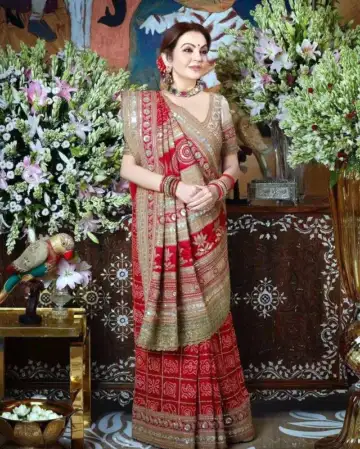
Here, the pallu is brought from the back to the front over the right shoulder and spread across the torso, showcasing intricate detailing of the pallu portion of the sari. The front-facing drape gives it a festive, lehenga-like appeal.
Karnataka
Coorgi Drape
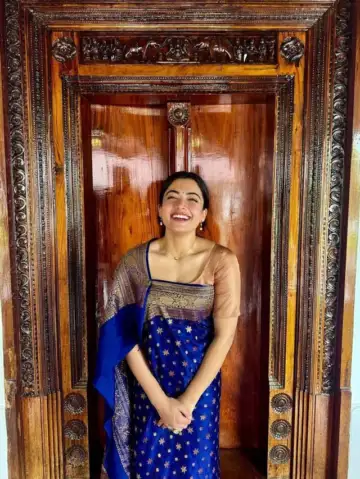
It is a unique style where the pleats are tucked at the back, with the pallu brought under the arm and secured over the shoulder. It creates a secure fit, ideal for navigating hilly terrain. This draping style is all about the Kodagu heritage which are still preferred by the coorgi brides even today.
Halakki Vokkaliga Drape
A lesser-known style where the sari is wrapped and knotted at the shoulder, often without additional garments. It creates a compact, secure drape suited for their everyday commute and work in the coffee plantation hills.
Kerala
Mundum Neriyathum
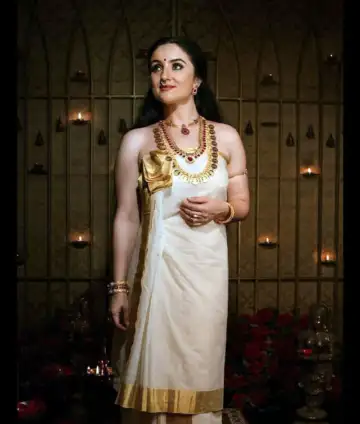
The Mundum Neriyathum from Kerala is a graceful two-piece drape, with the lower wrap paired with an upper cloth draped across the body. Known for its simplicity and elegance, it is often worn during festivals, reflecting a timeless and understated style.
Maharashtra
Nauvari (Kashta) Drape
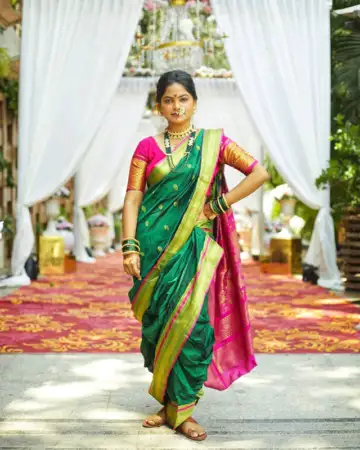
The Nauvari, or Kashta drape from Maharashtra, is a distinctive nine-yard style worn in a dhoti-like form, with the fabric tucked at the back. This style of drape is known for allowing ease of movement, it reflects both strength and grace, and has long been associated with a sense of power and tradition.
Parsi (Gol) Drape
Elegant and structured, this style which is worn by the women of Parsi community from Mumbai and Gujarat, wears the pallu from the back to the front, draping it across the torso and over the shoulder. The layered folds create a refined, polished look.
Tamil Nadu
Madisar Drape
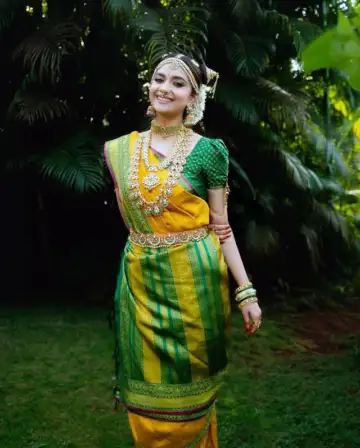
A traditional nine-yard drape worn in a dhoti-like style at the bottom, combined with a sari-like upper drape. It has ritual significance for the Brahmin community and is deeply rooted in their tradition.
Pin Kosuvam
A distinctive style where the pleats fall at the back instead of the front. The sari is wrapped slightly more than usual around the waist, creating a layered, breathable drape. This style has been worn by rural women which is convenience for their day to day farming and rural activities.
West Bengal
Bengali (Atpoure) Drape
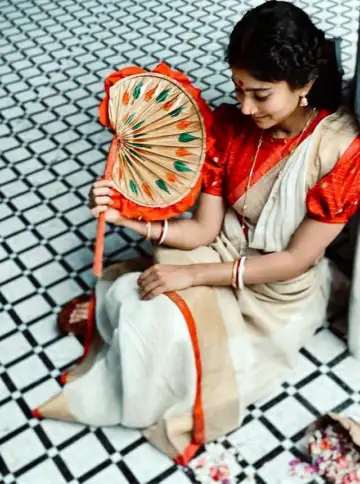
Characterised by broad pleats and a pallu that drapes across both shoulders, this style is fluid and dramatic. The pallu often frames the body, creating a striking visual symmetry.