




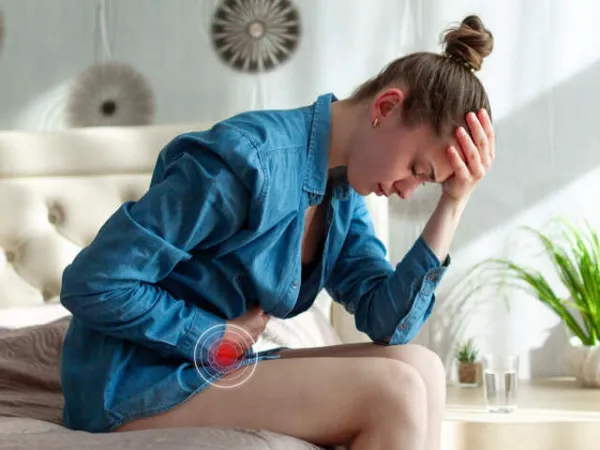

Source: ShutterstockIf your period comes with a pounding headache that refuses to go away, you are not imagining it. Period migraines are a real thing and they are far more intense than a regular headache.
For many women, the days just before or during their period can bring throbbing pain, nausea, sensitivity to light and a general feeling of being completely drained.
These migraines are usually triggered by hormonal changes, especially the drop in estrogen right before your period starts. The result is a headache that can disrupt work, cancel plans and make even scrolling on your phone feel unbearable.
The good news is that once you understand what is happening in your body, there are ways to manage it. From small lifestyle tweaks to medical options and quick coping tricks, here is how to deal with period migraines and get through those days a little easier.

Signs And Symptoms
Signs and Symptoms
Menstrual migraines usually follow a pattern and tend to appear just before or during your period. They can feel more intense than a regular headache and often come with additional symptoms that make everyday activities difficult.
Common signs and symptoms include:
• Throbbing or pulsating head pain, often on one side of the head
• Headaches that occur regularly around your period, usually two days before or during the first few days of menstruation
• Nausea or vomiting along with the headache
• Sensitivity to light, sound or strong smells
• Fatigue and low energy levels
• Dizziness or feeling lightheaded
• Difficulty concentrating or mental fog
• Pain that lasts longer than a typical headache, sometimes for several hours or even a few days
These symptoms are usually triggered by hormonal fluctuations, particularly the drop in estrogen levels before your period begins. For women who are prone to migraines, this hormonal shift can act as a strong trigger.
Why Period Migraines Happen
The biggest trigger behind menstrual migraines is hormonal fluctuation. Just before your period begins, estrogen levels in the body drop sharply. For women who are sensitive to these changes, this sudden dip can trigger a migraine attack. Hormones influence several processes in the brain, including how pain is regulated, which is why these shifts can lead to intense headaches.
Other lifestyle and environmental factors can make these migraines worse. Stress, lack of sleep, dehydration, skipping meals and excessive caffeine intake can all increase the chances of an attack during your cycle. For some women, birth control pills or hormonal treatments can also influence migraine patterns.
Who Is More Likely To Experience Them
While menstrual migraines can affect many women, some are more prone to them than others. Women who already experience migraines at other times of the month are more likely to notice a pattern linked to their cycle.
You may be at higher risk if you have a family history of migraines, experience severe PMS symptoms, or have conditions such as PMDD. Women in their late twenties to forties often report menstrual migraines more frequently, as hormonal fluctuations during these years can be more pronounced.
How To Cope With Period Migraines
Managing menstrual migraines often involves identifying triggers and making small lifestyle adjustments that support hormonal balance and overall wellbeing. Keeping track of your menstrual cycle and noting when migraines occur can help identify patterns and prepare for them.
Maintaining a consistent sleep schedule, staying well hydrated and eating balanced meals at regular intervals can help stabilise the body and reduce triggers. Many women also find relief through stress management techniques such as yoga, meditation or light exercise. Reducing caffeine and processed foods during the days leading up to your period may also help lower the chances of an attack.

Quick Relief Tips During An Attack
When a menstrual migraine strikes, simple measures can help ease discomfort and reduce the intensity of symptoms. Resting in a quiet, dark room can help minimise sensitivity to light and sound. Applying a cold compress or ice pack to the forehead or back of the neck may help relieve throbbing pain.
Staying hydrated is important, as dehydration can worsen headaches. Gentle stretching or a light neck and shoulder massage can also help release tension. Over-the-counter pain relief medication may provide temporary relief, but it is best to take these under medical guidance if migraines are frequent.
When To See A Doctor
Occasional headaches during your period are common, but persistent or severe migraines should not be ignored. If your headaches are becoming more frequent, last for several days or significantly interfere with daily activities, it may be time to consult a doctor.
Medical attention is especially important if migraines are accompanied by vision changes, numbness, difficulty speaking or severe vomiting. A healthcare professional can help identify triggers, rule out other conditions and recommend the right treatment plan.
Treatment
Treatment for menstrual migraines may include a combination of lifestyle changes and medication, depending on the severity and frequency of attacks. Doctors may recommend pain-relief medicines, anti-nausea medication or specific migraine treatments such as triptans.
In some cases, hormonal treatments or adjustments to birth control may help regulate hormone fluctuations that trigger migraines. Preventive medications or supplements such as magnesium may also be suggested for women who experience frequent attacks.
Working with a healthcare professional can help identify the most effective approach, allowing you to manage symptoms better and reduce the impact of menstrual migraines on your daily life.
Also read: 7 Must-Have Products For Relief During Periods