

You might have walked past Palladium a hundred times without considering that somewhere inside its gleaming corridors, a chef might be consulting century old kitchen notebooks from the Bhonsle dynasty.
Or chasing down the exact spice ratios for a dal that once sustained the nawabs of Rampur during their pre-dawn prayers.
This is the kind of thing that happens when Shravan Juvvadi and Chef Anuradha Joshi Medhora decide to open a restaurant. Helmed by Chef Joshi, who has spent years being a custodian and learner of India's royal culinary heritage, The Silver Train finds a rare balance between recreating history and reanimating it. She has spent years excavating recipes from palace kitchen notebooks, from oral traditions, and from the guarded archives of royal households.
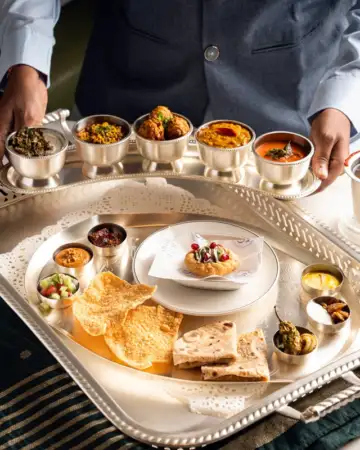
The place takes its name from a miniature railway that once circulated dishes around maharaja dining tables. And their crown jewel? Their Silver Thali. They have a seven-day rotating thali menu that functions less like a menu and more like an royal feast come to life. Each day presents a different procession of royal dishes, which means, and this is crucial, that you cannot exhaust this restaurant in one visit, or two, or probably even seven. The thalis draw from different palace kitchens from different centuries.
The menu reads almost like a regional railway map of forgotten India. On my visit, the dal was the maash ki dal of Rampur. Black lentils cooked down to that particular texture that hovers somewhere between soup and silk. Next to it sat a varan prepared in the saatvik style of Baroda. No onions. No garlic. Just toor dal and spices calibrated with precision.
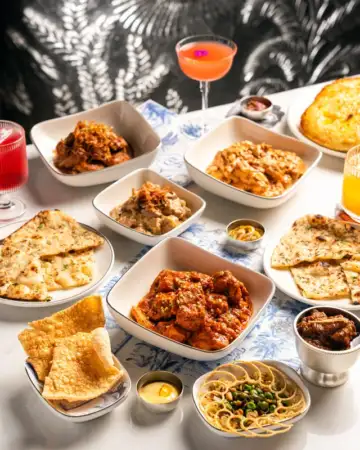
But first, the bread basket. Not a bread basket—the bread basket. Four, five varieties depending on the day: almond naan, sheer maal so rich it borders on dessert. Try almond naan with Dahi bhindi from Mewar. Apple gourd from the Bhonsle kitchens that tastes unlike any gourd you remember encountering.
And there, in a small silver bowl that might itself have been lifted from some palace sideboard, was makkhan or white butter, waiting to be smeared across a roti (or simply eaten with a spoon when no one is looking).
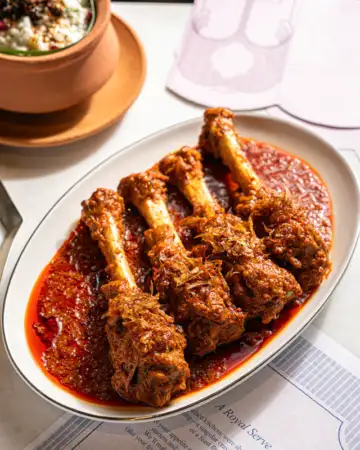
The Jodhpuri laal maas arrives the colour of arterial red, speaking a spice language most Mumbai restaurants have forgotten, or perhaps never knew. The Dogra kokar kofta (bitter melon dumplings), ask you to reconsider everything you thought you knew about karela. The Bilaspur baingan bhandhej that has literally been tied and dyed before cooking so the spices penetrate in patterns, is either genius or madness or perhaps a bit of both.
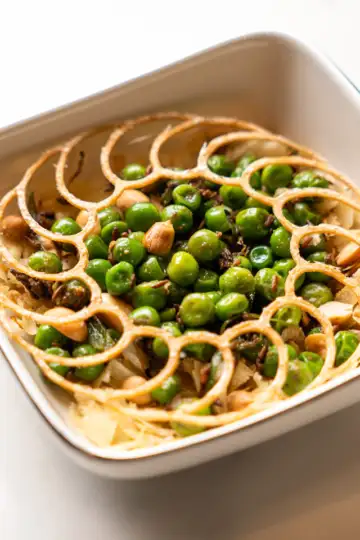
But then there is the Bihari chura matar. Flattened rice and peas, which sounds like something most people they may not order. But, they must.
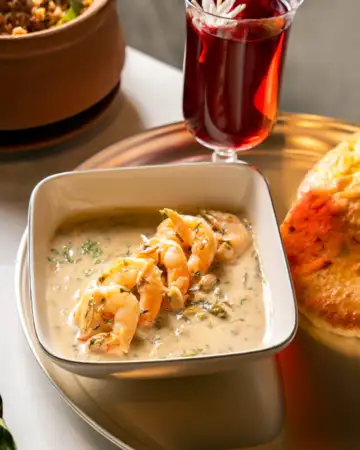
Badam nariyal ke jheenge (prawns cooked with almonds and coconut) speak a coastal language. Also try the Malwa ke kathal kebab, jackfruit kebabs from Madhya Pradesh as they quietly dismantle that vegetarian food trying too hard to impersonate meat.
The Banganapalle chicken wings hit differently because Banganapalle is a mango. Somewhere in that kitchen someone decided that chicken wings needed to be in conversation with mangoes from Andhra Pradesh, and against all expectation it works.
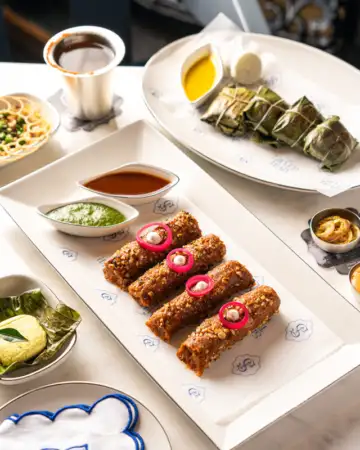
The Gondia murg, chicken from a town in Maharashtra that many people could not locate on a map, tastes like it has absorbed generations of local technique. The dahi butti (yogurt dumplings), arrive as a quiet correction to anyone who believes Indian vegetarian food begins and ends with paneer and aloo.
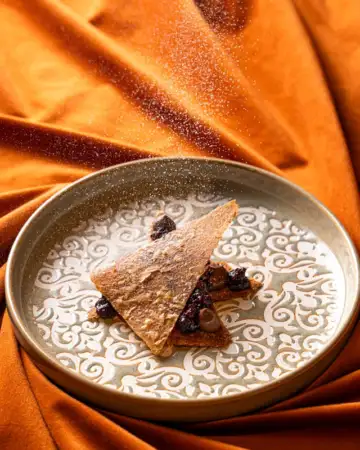
The Tripura maami rice, fragrant and delicate, served with ghee infused with podi, is reason enough to come here. So is the ande ka halwa, an egg based halwa that sounds like it might be too rich, too sweet, too excessive, until you taste it and then you understand immediately why eggs and sugar were once considered luxurious.
The restaurant also has interesting take on portions - "Ek. Do. Chaar." It sounds gimmicky at first until you realise it quietly solves one of the real problems of Indian restaurant dining. The constant tension between wanting to taste everything and not wanting to order enough food for a wedding. So if you want to try the Jodhpuri laal maas, that ruby red Rajasthani meat curry built on mathania chillies and slow cooking, but you are dining alone. Order ek. Want to share six dishes across the table with friends. Order everything do.
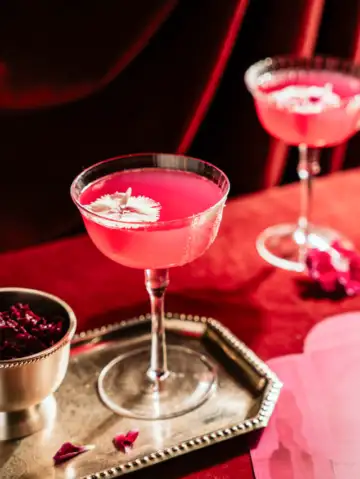
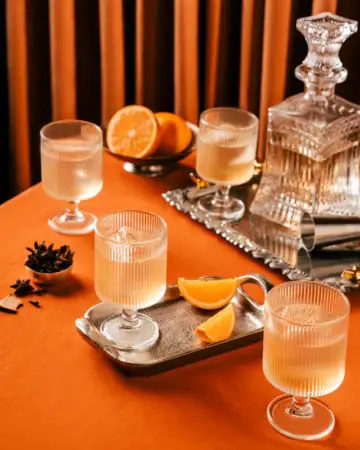
And then there are the drinks. The Silver Bar Milk Punch, a clarified tropical punch that sounds like it belongs in a colonial club, arrives clear as gin and surprisingly complex. The Jadi Booti Negroni puts tulsi and mint into conversation with Campari, which, by all logic, should not work but somehow does.
They also have zero proof cocktails, the Drytales. The menu buzzes with freshness of jamun, chikoo, custard apple, mulberry.
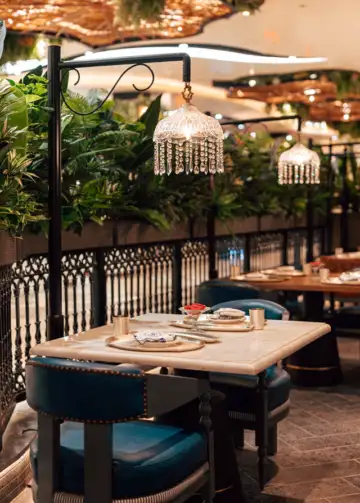
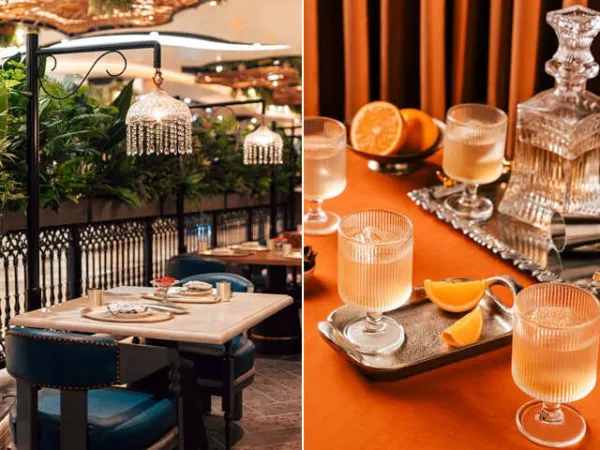
The ambience is meant to evoke what the restaurant calls the cool wing of a palace. Handcrafted ceramic wall plates, icy chandeliers, Sabyasachi's olive-green wallpaper - it all comes together rather beautifully. The part where, perhaps the maharanis and the maharajas become simply a person enjoying good food. You are meant to feel like royalty, but approachable royalty, the kind who might actually invite you to dinner with you.
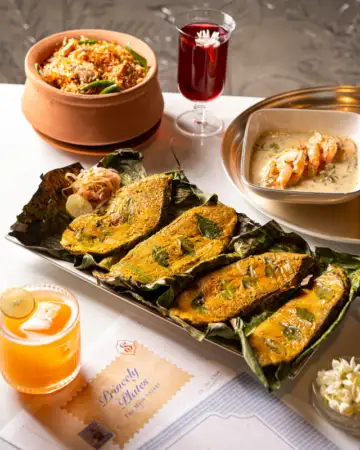
In an era of wellness menus and virtuous eating, here is a restaurant that gently reminds you of something simpler that food is meant to delight you.
You will not eat lightly here. You will not eat quickly. You will eat dishes you have never heard of, prepared in ways you did not know existed. And if you are paying attention, you may leave understanding something about Indian cuisine that the usual butter chicken-naan and biryani rarely reveals.