





Double texting? Embarrassing. Admitting you like someone? Desperate. Showing excitement? Cringe. Caring openly about anything? A social liability.
Welcome to the era where emotional detachment is not just a defence mechanism but an entire personality aesthetic. People now proudly brand themselves as nonchalant girls, nonchalant boyfriends, emotionally unavailable but chill, and unbothered kings and queens.
A few years ago, being called "nonchalant" would not necessarily have sounded flattering. It meant emotionally distant, indifferent, and maybe even careless. But now, entire online identities are built around looking detached, hard to impress, impossible to read, and slightly emotionally inaccessible. It shows up everywhere now. In dating advice that tells you to stay distant. In friendships where enthusiasm feels risky. In relationships where admitting you care feels like losing control. Somewhere along the way, caring too much became the ultimate social mistake, and being emotionally unreadable started looking like power.
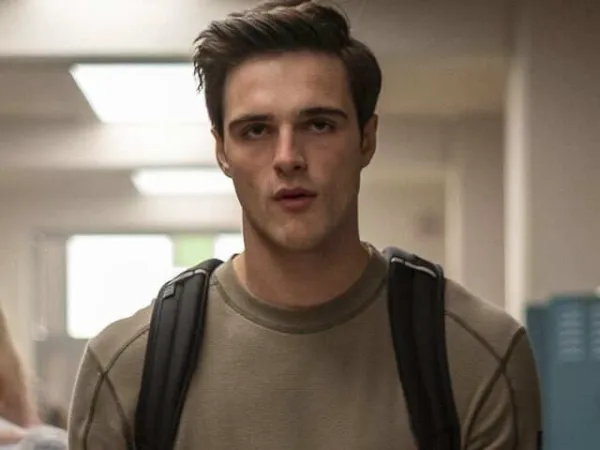
A still from Euphoria, featuring Jacob Elordi as Nate Jacobs; Source: Instagram
According to recent commentary around the trend, emotional detachment is increasingly being aestheticised online, especially among Gen Z users navigating hypervisible digital lives. The shift is not subtle. It is reshaping how people connect, communicate, and present themselves both online and off. And honestly? It is making everyone lonelier than they will admit.
How The Internet Turned Emotional Distance Into Aesthetic
Social media does not reward emotional balance very well. It rewards optics. And nonchalance has excellent optics. The person who looks unaffected appears mysterious, powerful, desired, and in control. Meanwhile, the openly emotional person risks being labelled clingy, dramatic, needy, too available, or worse, cringe. Online culture has slowly trained people to believe that emotional restraint equals self-respect.
The Signs Are Everywhere Now
Source: Pexels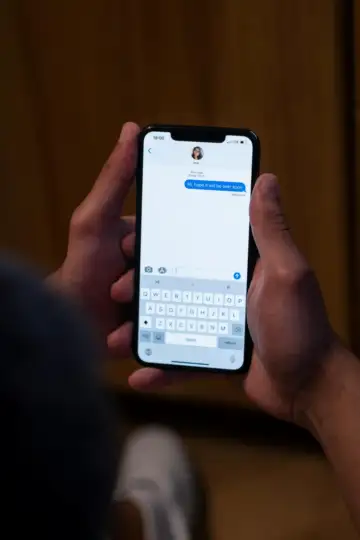
You can see it playing out constantly. Waiting hours to reply on purpose. Pretending not to care who viewed your story. Acting casual about relationships you are deeply invested in. Avoiding double texts at all costs. Speaking in irony instead of sincerity. Downplaying excitement to protect your aura. The internet has created an environment where visible effort often feels socially risky.
Why Dating Culture Made It Feel Necessary
Modern dating culture probably accelerated this more than anything else. Dating apps created an environment built around abundance, replaceability, and constant comparison. Everyone is aware that there are technically endless options one swipe away. That changes behaviour psychologically. People become careful not to appear too invested. As a result, sincerity feels risky, enthusiasm feels uncool, emotional clarity feels vulnerable, and effort feels one-sided.
The Science Behind Why People Are Exhausted By Constant Emotional Exposure
Source: Pexels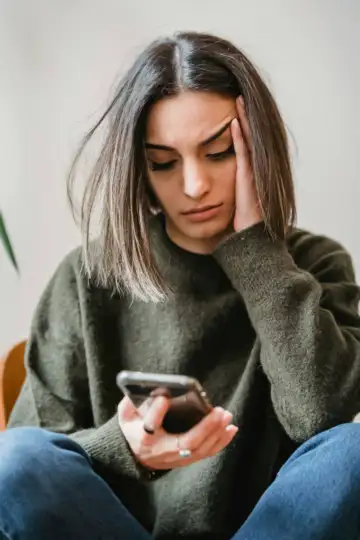
Part of the rise of nonchalance is defensive. Modern life already feels emotionally overstimulating. Everyone is constantly reachable, constantly perceivable, constantly online. Relationships, friendships, work, and even identity itself now require endless emotional processing. So people retreat emotionally. Detachment starts feeling safer than vulnerability. Therapists and psychologists increasingly note that what looks like coolness is often emotional self-protection.
The Art Of Using Nonchalance As Armour
Source: Pexels
Many people are not detached because they feel nothing. They are detached because feeling too much online has become exhausting. If you act like you do not care, rejection hurts less. If you stay emotionally vague, you cannot be fully disappointed. If you never appear attached, you preserve dignity. If you stay ironic, nobody can accuse you of trying too hard. The problem is that emotional self-protection slowly starts becoming personality.
How We Mistook Emotional Detachment For Confidence
Source: Pexels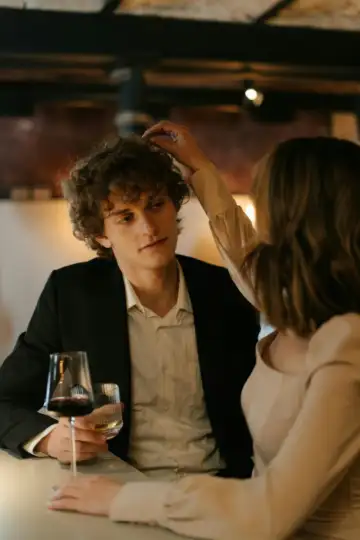
One reason nonchalance became attractive is that people confuse it with emotional security. But those are not the same thing. A genuinely secure person can express interest openly without spiralling emotionally. A performatively nonchalant person often suppresses emotion entirely to avoid appearing vulnerable. Research and commentary around the trend repeatedly distinguish between healthy calmness and emotional avoidance.
What Real Confidence Actually Looks Like
True confidence says 'I like you', 'I care', 'I enjoyed spending time with you', 'I am disappointed', and 'I want effort too'. Performative nonchalance says 'whatever', 'it is chill', 'I do not mind', and 'no worries', while secretly overthinking everything later. A lot of modern coolness is actually anxiety trying to disguise itself as composure. And people are starting to notice the difference between the two.
The Fear Of Looking Cringe Is Running Entire Personalities
One of the strongest cultural forces behind nonchalance is embarrassment. People are terrified of being perceived as trying too hard. Internet culture has made self-awareness so intense that many people struggle to express anything sincerely anymore without cushioning it in irony, memes, or detachment. Even compliments are often disguised as jokes. Excitement gets toned down. Crushes become lowkey. Caring becomes not that deep. Being earnest feels socially dangerous.
How It Bleeds Into Offline Behaviour Too
Source: Pexels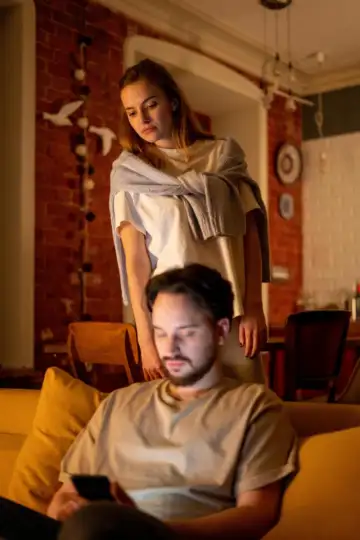
Once people practice emotional suppression long enough online, it begins to affect their offline behaviour too. Suddenly, people struggle to compliment others naturally, flirt openly, apologise sincerely, express excitement without self-monitoring, admit attachment honestly, and create emotional intimacy comfortably. The performance of being unfazed becomes more important than a genuine connection. And that performance does not stop when the screen goes dark.
Why Nonchalance Is Also A Response To Hypervisibility
Previous generations could experience emotions privately. Now, emotional reactions can become screenshots, memes, gossip, reposts, or public humiliation instantly. That changes how people regulate themselves socially. Nonchalance protects the image. If you never visibly react, nobody can weaponise your emotions against you. This is especially visible online, where curated indifference often functions like social currency.
Why Even Friendship Culture Feels More Detached Now
Source: Pexels
This shift is not limited to romance. Friendships increasingly operate through low-maintenance performance, too. Replying days later becomes normal. Cancelling plans casually is accepted. Vulnerability feels heavier. Everyone claims to be emotionally unavailable. People bond through humour more than honesty. In many social circles, acting deeply invested in friendship can weirdly feel more vulnerable than acting indifferent.
The Reality Behind Low-Effort Connection
Source: Pexels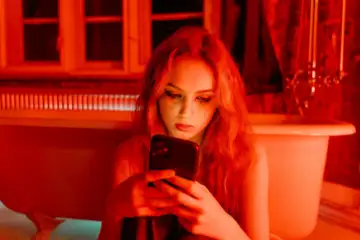
Many people approach dating like a negotiation of power rather than a connection. Psychologists writing about nonchalant dating note that people increasingly confuse emotional distance with value. Playing it cool becomes a strategy to avoid seeming desperate, even when both people actually want closeness. This has created an entire generation of people pretending to care less than they actually do. And ironically, everyone ends up lonelier.
The Backlash Has Already Started
Interestingly, the culture may already be getting tired of performative detachment. There is growing pushback online against nonchalant men, emotionally unavailable dating culture, ghosting, and low-effort communication. More people are openly saying they miss sincerity, consistency, and emotional openness. Terms like 'chalant dating' are even emerging online as a rejection of emotional games. The idea is simple: caring openly should not feel embarrassing.
Many people are realising that emotional unavailability may look attractive briefly, but it becomes exhausting long-term. Because eventually, everyone wants to feel chosen clearly. And constantly performing indifference may protect your ego temporarily, but it also blocks intimacy, spontaneity, chemistry, and connection. At some point, pretending not to care becomes lonelier than caring honestly ever was.