




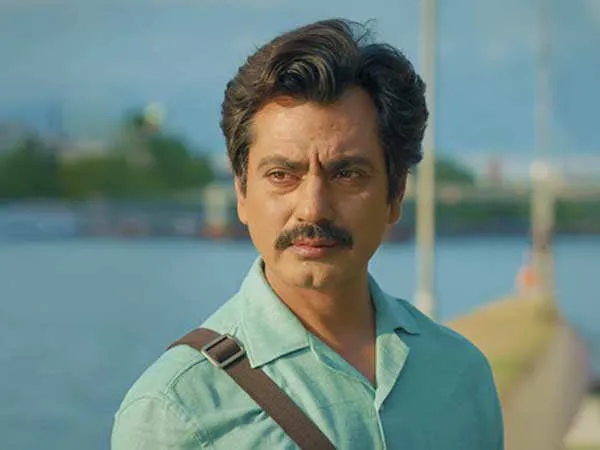

Main Actor Nahin Hoon is an experimental film which uses technology not merely as a narrative device, but also as an emotional condition.
Written and directed by Aditya Kripalani, the film unfolds largely as a two-character piece, blending ideas of performance, loneliness and digital intimacy into something deeply introspective. Anchored by finely calibrated performances from Nawazuddin Siddiqui and Chitrangada Satarupa, the film thrives almost entirely on conversation, silence and emotional excavation.
At the centre of the narrative are two individuals carrying invisible emotional fractures. Nawazuddin Siddiqui plays Adnan Baig, a retired banker living a solitary existence in Frankfurt, weighed down by melancholy and emotional detachment. Chitrangada Satarupa plays Mouni, an aspiring actor in Mumbai navigating both professional uncertainty and personal vulnerability. Their worlds collide during an online audition that gradually transforms into something far more intimate than either expects. What begins as an acting exercise slowly evolves into an emotional dependency forged through video calls, confessions and carefully dismantled defences.
The premise itself is deceptively simple, yet the film uses it to explore remarkably layered ideas. As Mouni begins coaching Adnan in the craft of acting, their sessions move beyond technique and performance theory into deeply personal territory. The exercises meant to unlock emotional truth for the camera begin exposing wounds both characters have spent years concealing. Acting, in the film, becomes less an artistic discipline and more a metaphor for survival. The screenplay repeatedly suggests that people perform versions of themselves every day, in relationships, careers, social interactions and even solitude. The line between sincerity and performance becomes increasingly fragile, and the film derives much of its emotional tension from that ambiguity.
The film was reportedly shot simultaneously across India and Germany, with actors performing scenes live through video calls while separate units filmed them in Mumbai and Frankfurt. The result is a cinematic texture that feels unusually immediate and raw, almost resembling live theatre captured in real time. Rather than disguising the limitations of digital communication, the film embraces them completely. Delays, awkward silences, buffering glitches and frozen screens become part of the storytelling grammar. Technology here is not polished or glamorous; it is messy, imperfect and profoundly human.
This aesthetic choice lends the film a rare emotional authenticity. Much of the narrative unfolds through close-ups and extended conversations, allowing the camera to linger on fleeting expressions, hesitation and silence. There is very little conventional dramatic machinery at work. No major twists arrive to propel the plot forward, nor are there exaggerated conflicts designed for crowd-pleasing impact. Instead, the film moves at the pace of emotional trust, tentative, uncomfortable and gradual. The drama emerges not from external events but from the terrifying possibility of genuine emotional exposure.
The title itself carries a quiet poignancy. Main Actor Nahin Hoon functions literally because Adnan is not a trained performer but beneath that surface lies a deeper existential ache. The phrase reflects the fear of not belonging within one’s own story, of existing as a passive observer rather than an active participant in life. That emotional insecurity permeates the film.
The casting of Nawazuddin Siddiqui feels especially resonant within this framework. Over the years, the actor has consistently rejected image-driven stardom in favour of emotional realism and psychological depth and the film appears to draw subtly from that artistic philosophy. His performance reportedly leans into restraint, internal conflict and emotional exhaustion rather than overt dramatics. Chitrangada Satarupa, meanwhile, brings remarkable intelligence and stillness to Mouni, balancing ambition, guardedness and vulnerability with great sensitivity. Together, they create a dynamic that feels less like cinematic romance and more like two lonely minds cautiously learning how to listen to one another.
Ultimately, Main Actor Nahin Hoon seems deeply attuned to the emotional architecture of contemporary loneliness. Beneath its conversations about acting and identity lies a poignant portrait of modern human connection, one shaped by screens, distance and carefully curated selves. Yet the film’s greatest strength appears to be its belief that even within mediated spaces, genuine emotional intimacy remains possible. It is less interested in where the story leads than in the fragile, transformative process of two strangers slowly allowing themselves to be truly seen by each other.
ALos Read: Everything We Are Watching This Week: Citadel Season 2