




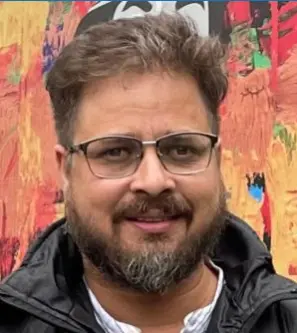

With Laxmikant Parsekar back in the BJP and Jit Arolkar reportedly eyeing an entry, the party faces a difficult choice between loyalty, winnability and political accommodation.
Dayanand Sopte's opposition to an Arolkar candidature could make the contest even more complicated.
Mandrem is fast emerging as one of the most politically interesting constituencies in Goa ahead of the 2027 Assembly elections. What appeared to be a relatively straightforward political contest is now turning into a complicated battle of ambitions, loyalties and competing claims over the BJP ticket.
The return of former Chief Minister Laxmikant Parsekar to the Bharatiya Janata Party has added a new dimension to the political calculations in Mandrem. At the same time, sitting MGP MLA Jit Arolkar is reportedly getting closer to Chief Minister Dr Pramod Sawant and is widely expected, according to political sources, to consider joining the BJP and contesting the next election on its ticket. Then there is the incumbent BJP MLA Dayanand Sopte, who has his own claim to the constituency and is unlikely to quietly surrender his political ground.
The question facing the BJP is simple but politically explosive: Who will get the ticket?
Parsekar's return is significant. He is not an ordinary political worker seeking shelter in a party. He was once the Chief Minister of Goa and a prominent BJP leader in Mandrem. His political roots in the constituency are deep, and his re-entry could be seen as an attempt by the BJP to bring back an experienced leader who understands the local political landscape.
However, Parsekar has been careful not to make any direct claim to the Assembly ticket. His statement that the party will decide who gets nominated indicates that he is aware of the political sensitivities surrounding his return. It also gives the BJP leadership room to accommodate him without immediately committing to his candidature.
But can the BJP afford to ignore a leader of Parsekar's stature if he is willing to return and work for the party?
The bigger complication is Jit Arolkar. The MGP MLA has established his political presence in Mandrem and is understood to enjoy a close working relationship with Chief Minister Pramod Sawant. His possible shift to the BJP could strengthen the party's position, but it would also create an immediate question about the political future of Dayanand Sopte.
Arolkar's reported interest in contesting on a BJP ticket cannot be viewed in isolation. He is an elected representative with his own political network and support base. If the BJP decides to bring him into its fold, it will have to consider the consequences of upsetting its existing leadership in the constituency.
And Sopte has already made his position clear. He has reportedly indicated that he will not work for Arolkar if the party gives the latter the ticket. That statement should not be dismissed as an ordinary expression of political displeasure. It is a warning that a decision favouring Arolkar could create serious internal resistance.
For the BJP, this is precisely the kind of situation it would want to avoid before an election.
The party has to decide whether it wants to retain Sopte, accommodate Arolkar or give Parsekar another opportunity to return to electoral politics. Each option comes with political advantages and risks. Giving the ticket to Arolkar could strengthen the BJP's position through an additional political acquisition, but it could alienate Sopte and his supporters. Retaining Sopte could upset Arolkar if he has already been given assurances. Choosing Parsekar could revive an old political leadership structure but might leave both the sitting MLA and the prospective entrant dissatisfied.
There is also a larger question of political credibility. If the BJP welcomes leaders from other parties with the expectation of giving them tickets, what message does it send to those who have remained loyal to the organisation? Equally, if a former Chief Minister returns to the party, what role does the leadership envisage for him?
The BJP cannot indefinitely keep three ambitious political leaders waiting while hoping that everyone will eventually fall in line.
The Mandrem contest is also a test of the party's ability to manage its own ambitions. Political expansion through defections and induction of leaders may help increase numbers, but it does not automatically translate into electoral unity. The real challenge begins when tickets are distributed.
For Parsekar, the return is an opportunity to reclaim political relevance. For Arolkar, a possible BJP entry could provide a new platform and a bigger political opportunity. For Sopte, the priority is to protect his existing political position and candidature.
Ultimately, the BJP's decision will depend on its assessment of winnability, local support and the ability of a candidate to bring the constituency together. But winnability cannot be measured merely through political proximity to the Chief Minister or the stature of a former Chief Minister.
Mandrem voters will have their own assessment of these leaders, their performance and their political commitments.
One thing is certain: the battle for Mandrem has begun much before the election campaign. And while the three leaders may be waiting for the BJP leadership to make its choice, the party may soon discover that selecting one candidate is only half the battle. Convincing the other two to work together could prove far more difficult.
In Mandrem, the BJP may have three potential candidates, but it has only one ticket. The bigger question is whether the party can prevent its ticket decision from becoming its biggest electoral liability.