

New RBI Regulations for Digital Payments
The Reserve Bank of India (RBI) is set to enforce new regulations starting April 1, aimed at curbing fraudulent activities in digital transactions.
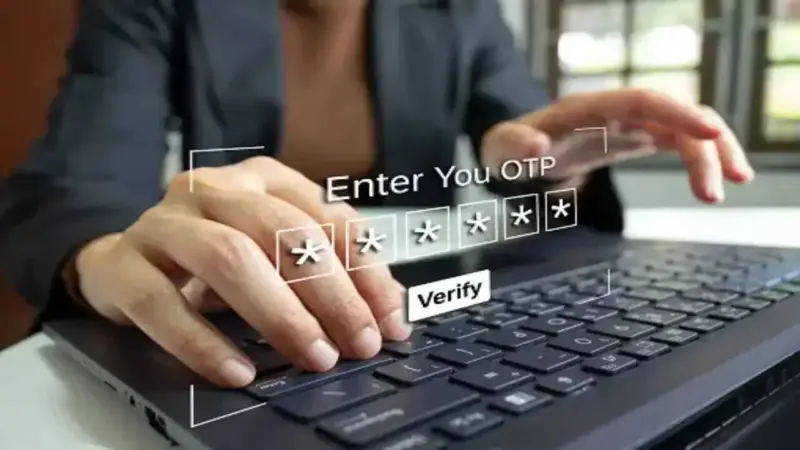
The updated guidelines mandate the use of two-factor authentication (2FA) for all digital payment methods, including UPI, credit cards, and mobile wallets, thereby enhancing accountability.
Details of the New RBI Regulations
According to the new rules, digital payments must be authenticated through at least two distinct factors. While One-Time Passwords (OTPs) will continue to be a part of the authentication process, they must be paired with another independent verification method. The RBI stated, "For digital payment transactions, excluding card-present transactions, at least one authentication factor must be dynamically generated or verified, ensuring that the proof of possession is unique to each transaction." This means that OTPs alone will no longer suffice; an additional verification layer will be required. This could involve a PIN, password, biometric data, or a secure token.
The new security measures will introduce two levels of protection, which may slightly lengthen the transaction process but will significantly enhance safety. Banks will adopt a risk-based strategy under these guidelines. Transactions deemed low-risk, such as those from trusted devices or routine small payments, will continue to be processed quickly. In contrast, larger transactions or those initiated from unfamiliar devices may necessitate further verification, categorized as high-risk. Additionally, issuers might consider utilizing DigiLocker for notifications and confirmations related to high-risk transactions, as outlined by the RBI.
Other significant financial changes are also on the horizon, affecting various aspects such as PAN cards, credit cards, FASTag, and RuPay debit cards. The upcoming income tax regulations aim to simplify terminology and revise tax treatments concerning investments and foreign expenditures, ultimately making compliance easier for taxpayers.