




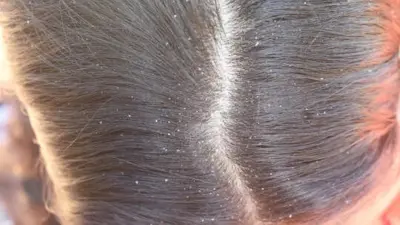

As winter transitions into warmer summer months, many people notice a sudden worsening of dandruff. During colder months, dandruff often appears as dry, fine flakes due to scalp dryness.
However, as temperatures rise and humidity increases, dandruff can become oily and sticky because of increased sweating and sebum production. This seasonal shift highlights that dandruff is not limited to a particular time of year; rather, changes in climate can disrupt scalp balance and trigger flare-ups. Dr. Anupriya Goel, MBBS, MD, DPD (UK) - Dermatology, answered this for us.
Why does dandruff recur?
Many people struggle to understand why dandruff keeps recurring. It is often treated as a temporary cosmetic concern, but in reality, dandruff is a chronic scalp condition that requires consistent care and appropriate treatment. The primary cause of dandruff is a yeast called Malassezia globosa, which naturally resides on the scalp. This microorganism feeds on sebum (the natural oils produced by the scalp). As it breaks down these oils, it releases by-products that can irritate the scalp, leading to inflammation, itching, and visible flaking.
Seasonal factors further aggravate this process. In winter, cold air, low humidity, indoor heating, and frequent hot showers can strip the scalp of its natural moisture and weaken the skin barrier, resulting in dryness and flaking. In contrast, summer brings increased sweat and oil production. The combination of humidity, sweat, and sebum creates an ideal environment for Malassezia to multiply, which can worsen dandruff symptoms.
Read here: Simple Secrets To Establishing The Right Winter Hair Care Routine
What are the external factors responsible for dandruff?
Environmental factors such as pollution can also settle on the scalp and contribute to irritation. In addition, daily habits like wearing helmets for long hours, tying up damp hair, or not cleansing the scalp regularly can further disrupt scalp health. The transition period between seasons is often the most challenging, as the scalp has limited time to adapt to changing environmental conditions.
Because dandruff is often mistaken for a temporary issue, many people rely on occasional treatments or home remedies. However, effective management typically requires regular scalp-focused care using clinically proven active ingredients.
Treating dandruff
One such ingredient commonly used in anti-dandruff formulations is Piroctone Olamine, an antifungal agent that helps control the growth of Malassezia on the scalp. By reducing fungal proliferation, it helps address the underlying cause of dandruff and can assist in decreasing flaking, itching, and scalp irritation. It also helps cleanse the scalp by removing excess oil and buildup while being relatively gentle on the hair and scalp.
Read more: 7 Ayurvedic Hair Health Tips You Should Try For Healthy Locks
For optimal results, individuals experiencing recurrent dandruff may benefit from incorporating an anti-dandruff shampoo containing Piroctone Olamine into their regular hair care routine. Consistent use is important for maintaining scalp balance. During periods of increased sweating, such as in hot and humid weather, washing frequency may be increased as needed. Maintaining hygiene practices such as regularly cleaning helmets, pillowcases, and hair accessories can also help minimise recurrence.
In addition to controlling dandruff, well-formulated shampoos containing Piroctone Olamine are often combined with conditioning and moisturising ingredients that help maintain hair softness and scalp comfort while supporting long-term scalp balance.
Read more news like this on www.healthandme.com