
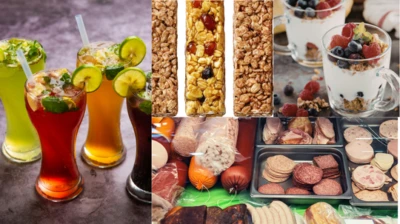

Not eating junk food is a common reassurance many people offer when discussing their eating habits, often with a sense of confidence that their lifestyle is on the healthier side.
Salads, fruit juices, brown bread, and low-fat snacks usually replace what is typically labelled as 'unhealthy'.
However, despite these conscious choices, an increasing number of youngsters are being diagnosed with fatty liver disease. This raises an important question: if junk food isn't the problem, then what is?
The answer often lies in what goes unnoticed. Hidden sugars, quietly present in foods marketed as healthy, are becoming a major but overlooked contributor.
What is NAFLD?
Fatty liver disease, or non-alcoholic fatty liver disease (NAFLD), is a condition in which excess fat builds up in the liver in people who consume little to no alcohol. Often referred to as a silent disease, it may not show clear symptoms in its early stages, but when it does, signs include persistent fatigue, mild discomfort in the upper right abdomen, unexplained weight gain, and abnormal liver function tests.
It is largely influenced by metabolic factors such as high sugar intake, obesity, insulin resistance, sedentary lifestyle, and diets rich in refined carbohydrates and processed foods. What makes this risk more concerning is the subtle presence of hidden sugars in everyday healthy foods.
How Hidden Sugars In Healthy Diets Are Driving Fatty Liver
What may appear as a balanced and "healthy" diet can often conceal hidden sugars that, over time, contribute significantly to the risk of fatty liver disease. It is important to know that:
- Healthy packaged foods aren't always healthy: Breakfast cereals, granola bars, flavored yogurt, and protein snacks often carry added sugars that go unnoticed.
- Fruit juices can be misleading: Packaged juices often have high sugar content without fiber, making them harder for the liver to process.
- Low fat doesn't mean low risk: Many low-fat or diet products add sugar to improve taste, quietly increasing overall intake.
- Small intake of sugar multiple times a day: Tea, coffee, biscuits, and quick snacks may seem harmless individually, but together create a high daily sugar load.
- Natural sugars: Honey, jaggery, and brown sugar are often overused under the assumption that they are safer, but they affect the liver in similar ways.
- Inactive lifestyle makes it worse: Without enough physical activity, excess sugar is more likely to get stored as fat in the liver over time.
Recognizing the role of hidden sugars is only one part; timely diagnosis and the right approach to management are equally important in preventing fatty liver from progressing.
How Can It Be Diagnosed And Treated?
NAFLD is often detected through tests like HbA1c, CMP (comprehensive metabolic panel), and liver function tests. Imaging methods such as ultrasound and elastography help assess fat buildup and liver stiffness.
The condition usually has no clear symptoms in its early stages and is often linked to excess sugar intake. Treatment mainly focuses on reducing hidden sugars, improving diet, and increasing physical activity. In severe cases, bariatric surgery may be considered. Managing weight and blood sugar is essential to prevent further liver and heart complications.
How To Manage Sugar For Fatty Liver?
People can opt for healthy choices by:
- Reducing packaged healthy foods, as they often contain added sugars
- Limiting packed fruit juices and sweetened drinks that increase the sugar load
- Checking food labels to identify hidden sugars in everyday items
- Prefer home-cooked meals to control ingredients and sugar intake
- Stay physically active to help the body use sugar efficiently
Fatty liver is no longer limited to those who consume junk food or alcohol excessively. It develops quietly but can be managed with the right awareness and habits.
Controlling sugar intake is key to protecting both liver and overall health in the long run. It is increasingly becoming a silent condition among individuals who believe they are making the right dietary choices. Understanding food labels, limiting processed foods, and being mindful of hidden sugars are essential steps toward prevention.
Read more news like this on www.healthandme.com