




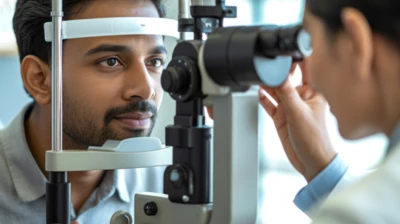

During the COVID-19 pandemic, the SARS-CoV-2 virus had a significant impact on the eyes, causing conjunctivitis (pink eye), with red, itchy, watery, or painful eyes.
A new study now shows that eye symptoms may also be key in understanding the severity of long COVID, a collection of symptoms that last three months or longer after your first COVID symptoms.
The new study, published in the journal Clinical Ophthalmology, showed that the new onset of eye symptoms in people with long COVID may be an indicator of more severe disease.
Also read: Long Covid Causes Lasting Brain Inflammation And Lung Injury, Reveals Study
Key Findings
Researchers from the Yale School of Medicine analyzed survey data from 595 adults who self-reported having long COVID in surveys conducted from May 2022 to October 2023. They found that nearly 60 percent of people reported new-onset of ocular symptoms.
The findings suggest that ocular symptoms in long COVID may be interpreted as vision-related manifestations that cluster with systemic post-COVID conditions. The symptoms include a new onset of :
- blurred or lost vision,
- dry eyes,
- floaters or flashes
The study showed that participants with long COVID-related ocular symptoms also had poorer general health and experienced more severe peaks in long COVID symptom severity compared to those without such symptoms. They also reported a greater financial burden and more difficulties in pursuing everyday life.
Notably, individuals with ocular symptoms reported:
- A greater overall symptom burden,
- Financial difficulties,
- Challenges in everyday life.
The study suggests that healthcare providers should recognize this presentation, inquire about ocular symptoms as part of a comprehensive long COVID assessment, and consider associated systemic conditions when determining management strategies.
Also read: Long COVID: The Story Of Those Who Are Still Dealing With Symptoms And Illnesses
What is Long COVID
Long COVID includes a wide range of symptoms or conditions that may improve, worsen, or be ongoing. While anyone who gets COVID-19 can develop Long COVID, studies have shown that some groups of people are more likely to develop Long COVID than others, including:
- Women
- People who have experienced more severe COVID-19 illness, especially those who were hospitalized or needed intensive care
- People with underlying health conditions
- People who did not get a COVID-19 vaccine
While many of the Long COVID conditions remain to be fully recognized, some people have more than one symptom that can be moderate to severe, and also impact the quality of life. According to the US CDC, they include:
- Tiredness or fatigue
- Difficulty thinking or concentrating (sometimes called "brain fog")
- Shortness of breath or difficulty breathing
- Headache
- Dizziness on standing
- Fast-beating or pounding heart (known as heart palpitations)
- Chest pain
- Cough
- Joint or muscle pain
- Depression or anxiety
- Fever
- Loss of taste or smell
Some people also experience damage to multiple organs, including the heart, lungs, kidneys, skin, and brain.
Read more news like this on www.healthandme.com