




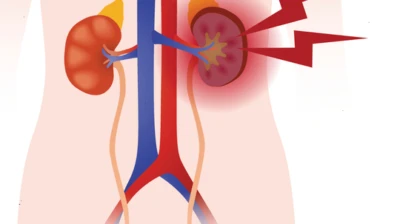

There has been a significant rise in the number of children diagnosed with kidney stones, with some reporting a doubling or quadrupling in incidence over the last 15-20 years.
Also, the number of surgical cases related to kidney stones has increased.
While kidney stones are typically associated with adults, they are now being diagnosed in younger children, including infants. The rise in kidney stones among children is a complex issue with multiple contributing factors, including dietary changes, obesity, and possibly environmental factors.
What Is A Kidney Stone?
Kidney stones are deposits of different minerals that can accumulate in the urinary tract. They can travel from the kidney, down the urinary tract, to the bladder and eventually be urinated out.
Some cases require surgical intervention. If left untreated, kidney stones can cause damage to the kidney, serious infection of the urinary tract, and, over time, damage the function of the kidney.
Why Kidney Stones Are Rising?
A major contributor to this rise has been dietary changes like increased consumption of processed foods, high-sodium foods, and sugary drinks, coupled with lower water intake. Also, the growing prevalence of childhood obesity is another contributing factor.
Immobile patients are also more at risk due to decreased flow of urine that can lead to stasis and then to kidney stone formation. Antibiotic use (which can affect gut flora that metabolize oxalate), and potentially even climate change, leading to dehydration, may also play a role.
Some children may be predisposed to kidney stones due to inherited disorders that affect how their bodies process certain minerals.
Prevention Is Key
As always, prevention is better than a cure. So, as parents, there are a few things that can be done so that children can avoid developing stones.
Promote healthy diets: Encourage children to consume a balanced diet low in sodium, processed foods, and sugary drinks, while ensuring adequate calcium intake. Eating out less and cooking meals at home can make sure this happens.
Promote an active lifestyle: Encouraging children to go outdoors to play and exercise can play a big role in preventing childhood obesity, which can also be a contributing factor to stones.
Increase fluid intake: Encourage children to drink plenty of water throughout the day. Having a water bottle for kids to carry at school and using water drinking tracking apps to help keep them accountable and increase their water intake.
Avoid unnecessary antibiotics: Avoid unwarranted usage of antibiotics in children for minor ailments where they are not indicated.
Address underlying medical conditions: If a child has other medical conditions that increase the risk of kidney stones, these should be managed appropriately.
Monitor and manage: Early detection and management of kidney stones in children are crucial to prevent complications and recurrence.
To sum up, by promoting healthy habits and addressing underlying medical conditions, parents and healthcare professionals can help reduce the risk of kidney stones in children.
Read more news like this on www.healthandme.com