




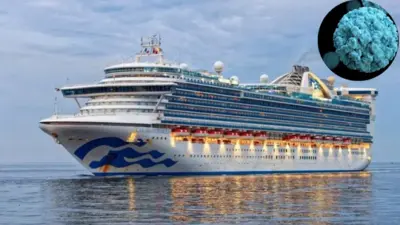

While concern continues over the deadly hantavirus outbreak on the MV Hondius cruise ship, reports of more than 100 people falling ill on a Caribbean cruise with vomiting and diarrhea have also sparked alarm.
A cruise ship sailing from Florida with over 3,000 passengers reported a major outbreak around May 7. More than 100 passengers and crew were affected. Health officials confirmed the cause as norovirus.
According to Cruise operator Princess Cruises, enhanced cleaning protocols were introduced immediately after the outbreak was detected. Sick passengers and crew were isolated, and hygiene measures across dining and public areas were intensified.
What Is Norovirus?
Norovirus is a highly contagious virus that causes gastroenteritis, leading to inflammation of the stomach and intestines.
Speaking to HealthandMe, epidemiologist Dr. Amitav Banerjee, professor at DY Patil Vidyapeeth, Pune, described norovirus as "notorious because it spreads very fast."
"It can spread through fomites like handles and knobs, and even a very low infectious dose-around 18 viral particles-can cause infection. So it spreads very fast," he said.
He added that while many common disinfectants are ineffective against it, norovirus can be inactivated using bleach and chlorine-based cleaning agents.
Is The Norovirus Outbreak Of Concern?
Although outbreaks can look alarming, Dr. Banerjee emphasized that norovirus infections are generally self-limiting.
"In the ship, it can be managed with oral rehydration, and in severe cases, IV fluids can help prevent complications and mortality," he said.
A recent report from the US also showed that norovirus can spread very rapidly from person to person on a cruise ship.
Dr. Banerjee also clarified that, unlike diseases with pandemic potential, norovirus outbreaks-while explosive in nature-do not typically pose a long-term global threat.
"So, this particular outbreak is not a cause for worry. It does not have pandemic potential, though it can spread very fast," he added.
Dr Suresh Kumar D, Senior Specialist - Infectious Diseases, Apollo Speciality Hospitals, Vanagaram, Chennai added that "there is nothing to panic".
"Unlike Coronavirus, which attacks the respiratory system, Norovirus is a stomach infection contracted through the consumption of contaminated food or water or through contact with an infected individual. The infection is highly contagious, but not life-threatening, and is manageable with proper care and hydration," he told HealthandMe.
Read More: Hantavirus Alert on MV Hondius: One US Passenger Tests Positive, Two Others Show Symptoms
Who Is Most at Risk? What Are The Key Symptoms
Dr. Banerjee noted that extreme age groups, especially very young infants and the elderly, are at higher risk due to dehydration from diarrheal illness. However, deaths remain rare when proper care is provided.
Norovirus illnesses usually last between two and three days. Symptoms usually begin suddenly within 12 to 48 hours of exposure and may include:
- Nausea
- Vomiting
- Watery diarrhea
- Stomach cramps
- Low-grade fever
- Headache and body aches
- Fatigue
Most people recover within 1-3 days, but dehydration can become serious, especially in children, elderly individuals, and those with weak immunity.
What You Can Do To Stop Its Spread
Because of how fast viruses spread, experts highly recommend preventive actions such as:
- Wash your hands frequently with soap and warm water, especially after using the toilet or before preparing food.
- Avoid visiting hospitals or care homes if experiencing symptoms.
- Stay home for at least 48 hours after symptoms subside to prevent spreading the virus.
Dr Suresh said that patients usually make a full recovery from the disease through taking proper care and drinking sufficient fluids.
Read more news like this on www.healthandme.com