




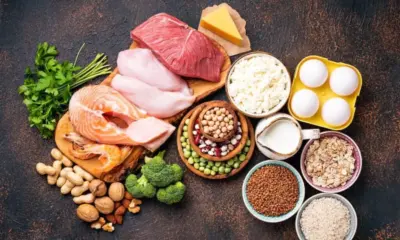

Protein is often associated with gym people and muscle building, but its role in the body goes far beyond that. In fact, protein is one of the most important nutrients your body needs to function properly.
It is found in every cell and plays a key role in growth, repair and overall health.
From supporting muscles and bones to helping the immune system fight infections, protein is essential at every stage of life. Understanding how much protein you need and where to get it from can help you make healthier dietary choices.
What is protein?
Protein is one of the body's basic building blocks. It helps create and maintain muscles, bones, skin, hair and organs. Proteins are also responsible for producing enzymes, hormones and antibodies that keep the body functioning smoothly.
Why is protein important?
Protein is constantly being broken down and rebuilt in the body, which means it needs to be replenished regularly through diet.
Some of its key functions include:
- Building and repairing muscles
- Supporting healthy growth and development
- Helping wounds heal and tissues recover after injury
- Maintaining healthy bones
- Producing antibodies that help fight infections
- Supporting hormone production and other vital bodily functions
Protein may also help people feel fuller for longer, which can support healthy weight management and reduce unnecessary snacking.
How much protein do you need?
Protein requirements vary depending on age, activity levels and overall health.
General recommendations include:
- Adults: Around 0.8 grams of protein per kilogram of body weight daily
- Children and teenagers: Slightly higher amounts to support growth
- Pregnant and breastfeeding women: Additional protein to support maternal and infant health
- Older adults: Higher intake may help prevent muscle loss and maintain strength
- Athletes and highly active individuals: Increased protein may support muscle recovery and performance
For example, an adult weighing around 68 kg (150 pounds) would need approximately 54 grams of protein each day.
Best sources of protein
A healthy diet can provide all the protein most people need. Good protein rich foods include:
Animal based sources
- Chicken and turkey
- Fish such as salmon, tuna and mackerel
- Eggs
- Milk, yoghurt and cheese
- Lean cuts of beef and pork
Plant based sources
- Lentils, beans and chickpeas
- Tofu and tempeh
- Nuts and seeds
- Quinoa
- Soy products
Protein and healthy ageing
As people age, they naturally begin to lose muscle mass and strength, a condition known as sarcopenia. Adequate protein intake can help slow this process and support mobility, independence and bone health later in life.
Experts often recommend that adults over 65 pay closer attention to their protein intake to help preserve muscle strength and reduce the risk of falls and fractures.
Can you have too much protein?
While protein is important, more is not always better. Extremely high protein diets followed for long periods may cause problems in some people.
People considering major dietary changes or high protein diets should speak with a healthcare professional, especially if they have underlying health conditions.
Protein is a vital nutrient that supports growth, muscle maintenance, immunity and overall wellbeing. Most people can meet their protein needs through a balanced diet that includes a variety of healthy protein sources.