
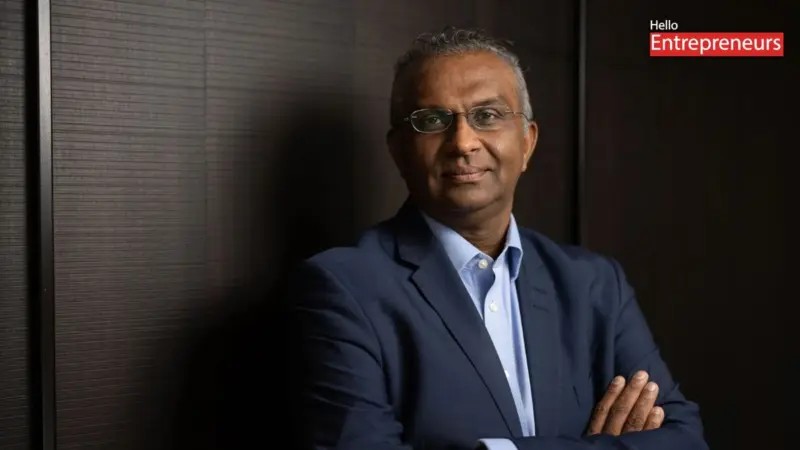

New Delhi: Recently in the limelight is investment banker Viswas Raghavan who left JPMorgan Chase to join Citigroup with a huge compensation package estimated to be around $52 million. Raghavan had been over twenty years with JPMorgan and one of the best dealmakers in the company, having conducted major financial deals and headed major teams in the bank.
But his departure was not a simple career change. It is reported that JPMorgan was worried about his long-term tenure at the firm, and a large part of this was that of internal grievances concerning his behaviour at work.
This has occurred over the years with a number of employees allegedly accusing Raghavan of being excessively aggressive, losing his temper, uttering crude words and a hostile working environment. These issues were severe to an extent that the bank had already made internal measures, such as lowering his salary and scrutinizing his behavior.
Though he continued to be a good performer in terms of business performance, these behavioural problems seem to have contributed to the decision to eventually leave JPMorgan.
Regardless of these scandals, Citigroup was swift to employ him, and it is giving one of the most eye-catching pay packages in the recent past. The bank has justified it by saying that Raghavan is an industry veteran with a good track record that can be used to expand its investment banking business.
The move has however elicited controversy in the financial sector, with critics raising questions on whether companies are supposed to focus on performance at the expense of workplace culture, particularly when allegations exist in the past.
This has now become a bigger debate concerning corporate responsibility and leadership in high-stressing sectors of the economy such as the banking sector. Some think that talent and outcome must precede others whereas others say that behaviour and the working environment is also essential, especially of leaders in influential positions.
With the emergence of Raghavan in his new position at Citigroup, there are many who will be keen to observe how the bank would handle its performance expectations as well as issues of leadership behavior.