
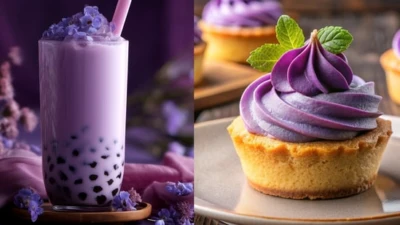

F irst it was green, now een, now it's a vivid purple. If you've been on Instagram, you've already seen it. With over 750K posts under #ube, the takeover is well underway.
You've read about it, spotted it on feeds and menus abroad, and now, we bring you what the buzz is all about as it begins to trickle into India.
The humble purple yam from the Philippines is stepping out of traditional boundaries and onto modern café menus. While ube has already made a strong mark in the West, it is still finding its footing here. That said, it's showing up just enough to spark curiosity. A few experimental kitchens, select patisseries and some food-forward spaces are beginning to play with it. turning a familiar root into something far more indulgent.
What is ube?
Ube is a purple yam native to the Philippines, widely used in desserts such as halaya, ice creams and cakes. While it may feel like a new entrant, it isn't entirely unfamiliar to India. Known locally as ratalu or kand, it has long featured in traditional dishes like undhiyu and regional curries across states.
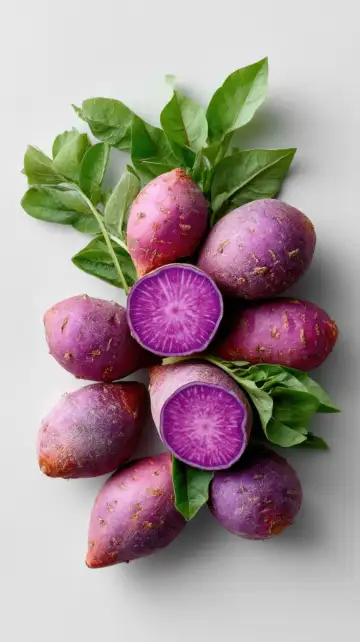
What sets ube apart, however, is its texture and taste. Unlike taro or purple sweet potato, which are denser and starchier, ube is softer, more moisture-rich and carries a gentle, refined sweetness.
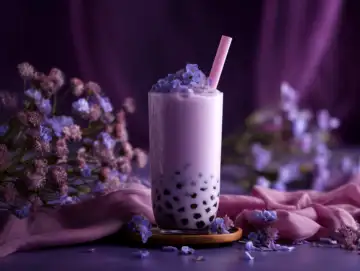
The shift now lies in presentation. "Ube is definitely having a strong moment. It's visually appealing, easy on the palate and versatile. It is now being reimagined globally in lattes, milk teas, soft serves and baked goods," says Chef Avinash Kumar, Director of Culinary at Novotel Mumbai Juhu Beach.
Why is ube appealing?
Part of its charm is how instantly it works. There's no acquired taste. "It's mildly sweet with soft notes of vanilla and nuttiness, sometimes even compared to white chocolate or coconut," Kumar explains.
Then there's the colour. That soft lavender-to-violet hue stands out on any plate, and it's completely natural. The pigment comes from anthocyanins, the same antioxidants found in blueberries, adding a subtle health appeal with Vitamin C and potassium. "Ube is valued for its natural purple hue that enhances any dish without artificial colouring," says chef and food influencer Mordhwaj Singh Chandrawat of Belle Patisserie, Delhi.
How are chefs experimenting?
For chefs, ube opens up room to play. "Its versatility makes it interesting. It works across desserts, beverages and even modern savoury dishes," says Chef Ashu Chugh, Executive Chef at Jaypee Greens Golf and Resort Spa, Greater Noida.
Chandrawat adds that classic recipes can easily be adapted. "Crème brûlée can be reworked with ube instead of vanilla. It also lends itself well to cheesecakes and breads."
With its easy flavour, striking colour and global momentum. ube has all the makings of a summer favourite. It may not be everywhere in India just yet, but the purple wave is building. And this time, it's hard to ignore.
How to use ube at home?
Fresh ube isn't easy to find due to its short harvest window, but ube powder and jam are readily available online and at gourmet stores.
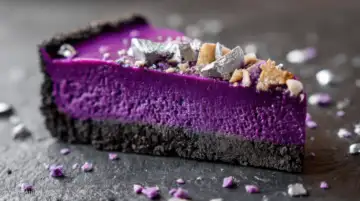
The easiest way to try it is as an ube latte. Simply mix ube powder or a spoon of ube jam with warm milk and a touch of sugar. If you're chasing that "electric" purple seen on social media, a drop of ube extract can help intensify its naturally softer hue. For desserts, ube blends seamlessly into cake batters, cheesecakes and even pancake mix, adding both colour and a subtle sweetness.
(Written by Snigdha Oreya)