




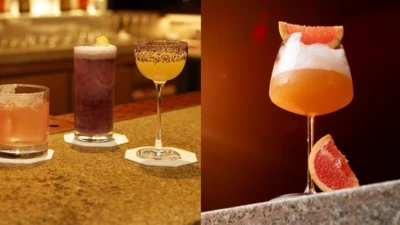

Another weekend, another bar takeover. The format is now familiar: a guest shift, a limited-edition menu, a room full of people chasing that one-night-only energy.
But look a little closer, and the real action isn't in the crowd. It's behind the bar. What may feel overdone on the surface is quietly reshaping how India's bartenders learn, collaborate, and evolve the bar scene in India.
More than just a guest shift
"Bar takeovers are guest-led pop-ups where an external bar or mixologist brings their signature style, cocktails, and philosophy into another venue for a limited time. The format isn't new but is gaining momentum in India due to three key shifts: experience-led consumption, increased global exposure, and the content economy," explains Jezan Limzerwala, Associate Vice President - Food & Beverage, IHCL.
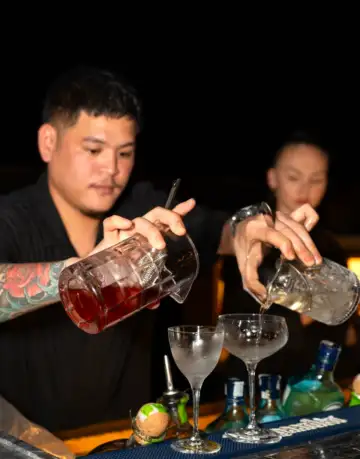
What began as a niche, industry-led exchange has now evolved into a full-fledged cultural movement, driven as much by consumer demand as by creative collaboration. Vikram Achanta, Founder & CEO, Tulleeho, explains, "For guests, a bar takeover makes the experience more interesting because they get access to new styles and approaches without having to travel." India's drinkers today are more informed, more experimental, and increasingly invested in understanding the craft behind their cocktails.
What really happens behind the bar
A bar takeover isn't just a performance. According to industry experts, it is a high-pressure reset. "A takeover introduces a distinct rhythm behind the bar. There is a heightened sense of focus as two teams align on service, prep, and storytelling within a limited window. The energy is unmistakably creative, with ideas moving quickly and each interaction shaped by both familiarity and fresh perspective," says Colin Tait, Director of Beverage, The Ritz-Carlton, Bangalore, which has hosted global names from Dubai to Shanghai recently.
Similarly, at Loya, collaborations with international bars have translated into more contextual, ingredient-led experiences, where visiting mixologists reinterpret their styles through an Indian lens. Limzerwala shares, "During our takeovers, visiting mixologists often add a twist by using Indian ingredients or pair their cocktails with our regional North Indian dishes, making the experience immersive and narrative-led rather than transactional."
Beyond recipes
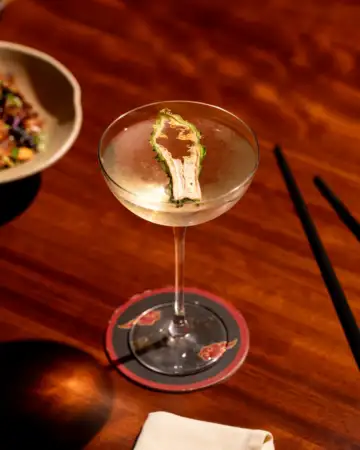
For bartenders, the real takeaway isn't a drink. "Guest bartenders bring with them deeply personal techniques, whether in flavour construction, batching methods, or the way they engage with guests. What tends to stay back is not a single recipe but a shift in thinking," says Tait.
For many young bartenders, this is where things click. Nikhil Joshi, a Mumbai-based bartender, shares, "You're not in a classroom, you're in service. You're figuring out new ingredients on the fly, adjusting to someone else's system, watching how they move, how they talk to guests. You don't realise it in the moment, but it changes how you work after."
A more collaborative bar culture
Industry insiders echo the shift. Achanta adds, "For teams, it's where a lot of the value sits; there's a lot of learning around ingredients, prep, and service. So while it feels like a trend at the moment, it's really part of a broader shift towards a more collaborative and fluid bar culture, which is a positive sign for how the industry is evolving."
Beyond the bar takeover
Tait notes, "The true impact reveals itself over time. There is a quiet exchange of ideas that reshapes the team's perspective, influencing how they create and host in the days that follow." Limzerwala explains, "These collaborations bring credibility, novelty, and a distinct point of view, making the experience both time-bound and culturally layered. This creates a two-way street that results in experiences that are more layered, locally rooted, and relevant to Indians." Joshi notes, "You start carrying a bit of every bar you work with. It builds your confidence, and you stop second-guessing your own style."
What may look like a passing trend, then, is doing something far more lasting. As techniques travel, standards rise, and collaborations become more frequent, India's bar scene is becoming more experimental, more confident, and far more connected.
(Written by Snigdha Oreya)