
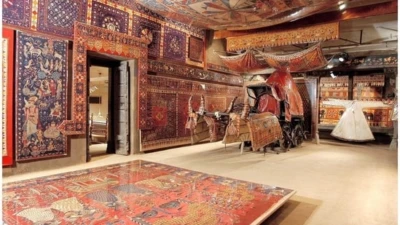

Nothing captures the spirit of India's heritage quite like textiles - woven with stories, memories and emotions passed down through generations.
But in a time of climate crises, conflict and rapid change, many of these traditions are at risk, making preservation more urgent than ever.
"What a museum does beautifully is connect textiles to ritual, identity and place not as historical footnotes, but as living design decisions," says fashion designer Vaishali S.
With this year's World Heritage Day theme focusing on protecting living heritage in times of crisis, textile museums are stepping up as quiet custodians, preserving crafts that could otherwise fade away.
On the day, we speak to designers spotlighting museums that keep these textile stories alive.
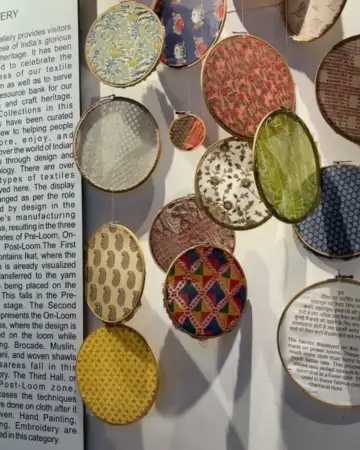
National Crafts Museum and Hastkala Academy, Delhi
A dynamic and immersive space, this museum at Pragati Maidan goes beyond static displays. Artisans work on-site, allowing visitors to witness live demonstrations of weaving, embroidery, block printing, and textile painting. Housing over 35,000 artefacts, from textiles and tribal art to jewellery and murals, it offers a comprehensive view of India's craft traditions.
"It's a place I've loved since my college days," says designer Payal Jain. "We would spend hours here, learning through observation, getting a glimpse into the lives and skills of artisans from across the country."
Reflecting on her recent showcase, she adds, "Presenting my textile sculpture show Soul of a Woman at the museum's newly inaugurated Textile Gallery felt like a true honour, one of the most significant milestones of my journey."
Together, these museums don't just preserve textiles, they keep their stories alive, ensuring that heritage continues to be experienced, understood, and reimagined.
The Calico Museum of Textiles, Ahmedabad
Closer home, The Calico museum holds a deeply personal significance for designer Payal Jain.
Founded in 1949 by the Sarabhai family, the museum houses one of the most important textile collections in the world, spanning over 500 years. From Mughal-era fabrics and rare Kashmiri shawls to temple hangings, patolas, regional weaves, and intricate Pichwais depicting stories of Krishna, its collection is both vast and exceptional. Vaishali S says, "As a designer, I am always looking for places that shift something in how I see. This museum is one of those rare places it humbled me in more ways than I expected."
"But what moved me most was not just the technique it was the thinking behind it. Every pattern carries a reason. Every colour choice, a context, as designers, we talk a lot about meaning and purpose. Here, that meaning was already woven in centuries before we had a word for it."
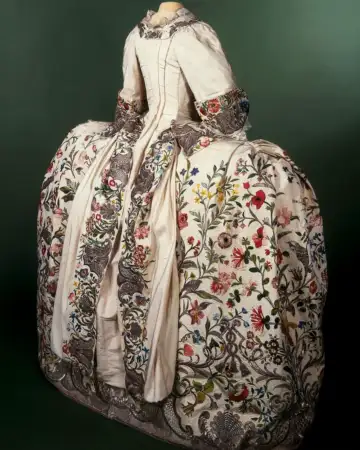
Victoria and Albert Museum (V&A), London
Home to one of the world's largest and most comprehensive collections of textiles and fashion, the V&A spans over 5,000 years of creativity, with more than 75,000 objects from across continents. "The V&A offers a global spectrum, not just of craft and textiles, but of rare pieces steeped in cultural relevance. Their research and development efforts ensure the space is constantly evolving," says designer Gautam Gupta.
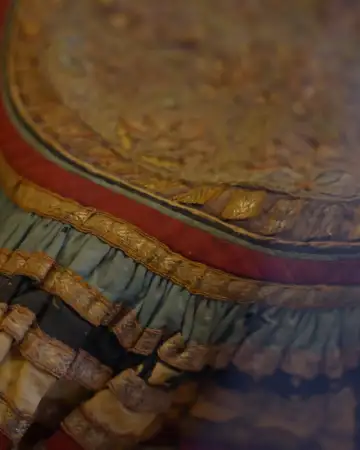
Textile Gallery at City Palace, Jaipur
Set within the royal complex, this gallery showcases regal garments and intricately woven textiles worn by Jaipur's royalty, offering a glimpse into courtly fashion. "The richness of the fabrics, fine silks, soft muslins, detailed brocades, reflects extraordinary craftsmanship. The scale of some garments, with their flowing silhouettes and intricate detailing, is truly remarkable," says designer Rina Dhaka.
Other museums to visit:
Fashion and Textile Museum, UK
Palais Galliera, France
The Metropolitan Museum of Art Costume Institute, USA
Kyoto Costume Institute, Japan