
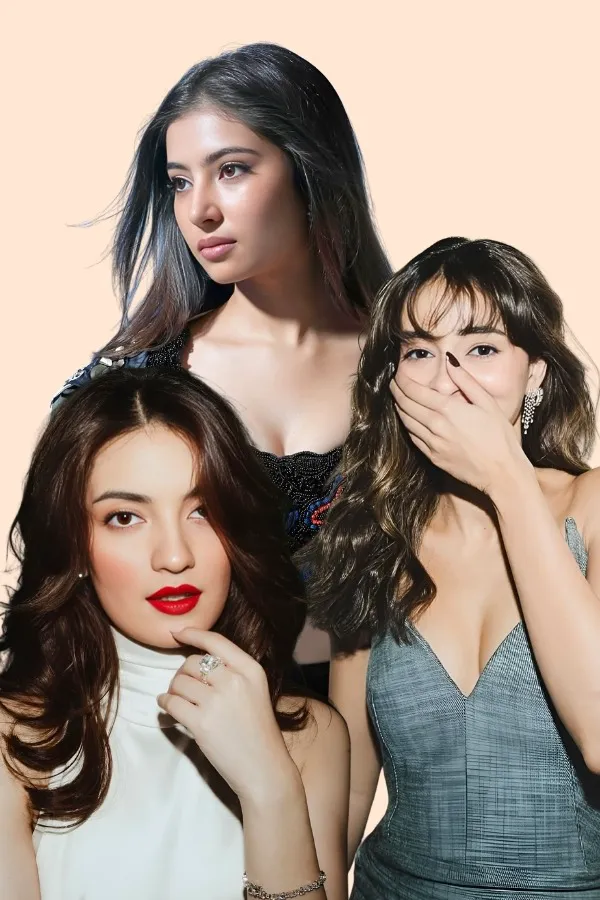

The experience of sitting in a salon chair for a haircut, holding up a reference photo that's supposed to make you look like an actress (if all goes well) is universally humbling.
The lighting in the photo is perfect. The model's hair falls like it has never known humidity, hard water or a rushed morning. You tilt your phone slightly, point to the layers, the movement, the fall and say the most dangerous sentence to the hairstylist.
"Something like this."
An hour later, you're staring into the mirror, nodding politely, already calculating how long it will take to grow this out. Because somewhere between what you showed and what was understood, a lot got… lost.
Not because your hairstylist lacks skill. But because most trending haircuts are designed for editorials, not translation. They rely on hyper-specific styling, texture and angles that don't survive the very real conditions of an Indian salon or an Indian morning.
But 2026 is shifting that.
The cuts women are gravitating towards now aren't just beautiful. They are communicable. They hold their shape. They respect your natural texture. And most importantly, they turn out the way you expect them to.
Here are the ones that finally pass the reference vs reality test.
1. The Oval Layers (The Most Forgiving Upgrade You Can Make)
Credit: Instagram
If there's one haircut that's dominating 2026 without announcing itself, it's this.
Oval layers are less about "layers" and more about shape. The hair is cut to fall into a soft oval silhouette. Shorter, face-framing pieces that melt into longer lengths at the back.
They look styled without any styling. It's the kind of haircut that looks expensive because it falls correctly on its own.
What to say at the salon:
"Soft oval shape with blended layers. Shorter around the face, longer at the back, no choppy steps."
Why it works:
It gives the stylist a clear structure to follow, instead of a vague idea of "movement." Which means fewer surprises.
2. The Wolf Cut (But Civilised)
Credit: Instagram
The wolf cut has had its moment online. It looks sharp, edgy, almost rebellious. And also… frequently butchered.
The 2026 version is more civilised. Think controlled texture instead of chaos. Less mullet, more movement.
The layers are still there, but softened. The volume is added thoughtfully. It's designed to work with your natural texture.
What to say at the salon:
"A soft wolf cut. Layered for volume but blended, not too short on top, nothing extreme."
Why it works:
You're removing ambiguity. Most bad wolf cuts come from going too short, too fast. This version builds gradually.
3. The Hime Cut (Made Wearable)
Credit: Instagram
Traditionally sharp and graphic, the Hime cut is one of the most striking styles to come out of Japanese beauty culture. But in its pure form, it's also one of the hardest to execute well.
The 2026 adaptation softens its rigidity, keeping the signature face-framing sections, but blending them more fluidly into the rest of the hair.
What to say at the salon:
"Hime-inspired face frame. Clean but slightly softened edges, integrated with the rest of the length."
Why it works:
You retain the identity of the cut, but remove the harshness that often leads to mistakes.
4. The Bob (But Precisely Chosen)
Credit: Instagram
Not all bobs are created equal and that's exactly where things go wrong.
In 2026, the bob isn't a trend. It's a category. And the women getting it right are choosing versions that align with their texture and lifestyle.
The safest bet? A soft, slightly longer bob that sits between the jaw and collarbone, with minimal internal layering.
What to say at the salon:
"A slightly longer bob. Soft, not too sharp, with natural movement."
Why it works:
The length gives you room. And in haircuts, room equals recovery.
5. The Pixie (Only If It's Thought Through)
Credit: Instagram
The pixie is often treated like a bold decision. In reality, it's a precision cut.
And when done right, it's one of the most flattering, liberating styles you can wear. But it requires clarity, both from you and your stylist.
The 2026 pixie leans softer. More grown-in. Less severe. Think texture at the crown, softness around the edges and a shape that complements your face.
What to say at the salon:
"A soft, textured pixie. Do not make it too short on the sides, create with movement on top."
Why it works:
You're guiding the stylist away from extremes. And extremes are where regret lives.
Closing Thoughts
These haircuts aren't trending because they look good on Instagram. They're trending because they survive reality.
They hold their shape beyond the salon chair. They don't collapse under humidity, bad lighting or a rushed morning. And most importantly, they don't rely on blow-dries to look right.
Walking out of a salon feeling good is easy. Waking up the next day, running your fingers through your hair and realising it still falls exactly the way you imagined is when you know the haircut worked.
Lead Image Credit: Instagram/Sara Arjun, Pratibha Ranta, Ananya Panday