
When I was turning 30, it felt less like a birthday and more like a warning. Suddenly, everyone around me had advice I hadn't asked for.
Your metabolism will slow down. Recovery will get harder. You can't get away with things the way you used to.
It was like my body had an expiry date no one had told me about until now. And while I didn't completely dismiss what they were saying, I also didn't buy into the panic. If anything, it made me pay closer attention, not out of fear, but out of responsibility.
I started showing up for my body a little more. An extra day of cardio. Being more mindful of what I ate. Making sure I actually got 7-8 hours of sleep I used to take for granted. Not because I was ageing, but because my body deserved that kind of consistency.
What Your 30s & 40s Are Supposed To Look Like
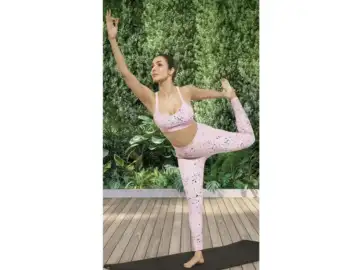
 Instagram/Malaika Arora
Thanks to certain pre-conceived notions around age and fitness, everyone has their own image of what one should look like in their 30s and 40s. In fact, these conversations are common in the fitness community, especially among people entering their 40s and 50s.
Your 30s mean slowing down. Your 40s mean maintaining. Your 50s mean accepting decline. And then we soften it with a line we've all heard a hundred times: age is just a number.
However, that only holds true if you've built the habits to support it. In reality, age isn't just a number, but more about how you feel, move, and perform, which reflects everything you've consistently done or ignored over the years. Someone who has been consistent with their training and nutrition over the years would not treat age as a marker. Instead, they would track their performance, stamina and blood reports which give a clearer picture.
Credit: Youtube
So, the next time you look into the mirror and start judging your fitness, I want you to ask something similar. "Do I want to just look fit or do I want to actually be fit?"
Scroll through social media and you'll see it everywhere: sharp lighting, lean frames, quick transformations, and a barrage of anti-ageing products and weight-loss shortcuts that promise results without process.
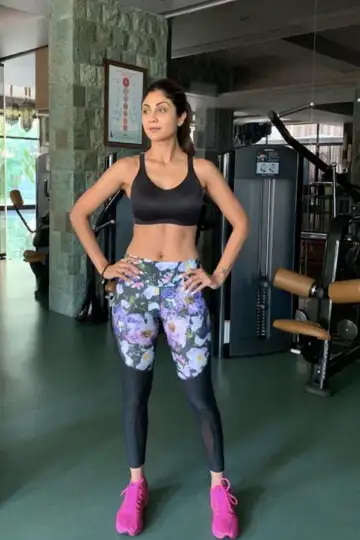 Instagram/Shilpa Shetty
Fitness has begun to look like something you can curate and edit for the world, but health doesn't work like that. You can look lean and still be weak. You can look fit and still be metabolically off. You can look young and still age faster than you realise. That's the illusion of anti-ageing that many are trapped in. There is no denying that good nutrition and regular exercises will make you look and feel good, but the obsession of defying your natural age in this process would only keep you trapped in this illusion.
What Actually Happens When You Age?