




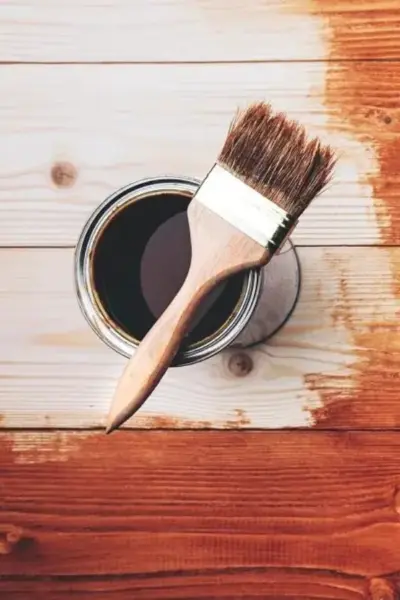

Wood painting in 2026 is no longer just about changing the colour of a door, cabinet, railing, window frame or piece of furniture. Indian homes are dealing with heat, dust, moisture, daily cleaning, monsoon dampness and regular wear, which means wood needs a finish that looks good and protects the surface for longer.
A well-painted wooden surface can elevate a room's overall look, but only when the preparation, primer, paint type, and application method are handled correctly.
This article walks you through the key steps, choices and care tips that make wood paint more effective for modern Indian homes.
Why Wood Painting Needs Proper Planning
Wood is a natural material, so it reacts to moisture, temperature changes and usage. A rushed paint job may look fine at first, but peeling, patchiness, stains, and dullness can appear later. Good wood painting starts with understanding the surface.
Before painting, check whether the wood is:
- New or previously painted
- Polished, laminated or bare
- Used indoors or exposed to balcony air and sunlight
- Affected by dampness, cracks, stains or termite marks
- Smooth, rough, oily or uneven
This check helps you decide on the right preparation method and wood paint for the surface.
Start with Surface Preparation
Surface preparation is often skipped, but it determines the final finish. Wood must be clean, dry and even before paint is applied. Dust, old flakes, oil, polish residue and moisture can stop the paint from bonding properly.
A painting professional will usually prepare the surface by:
- Cleaning away dust and grease
- Sanding rough patches for a smoother base
- Removing loose old paint
- Filling cracks, dents or nail holes
- Letting fillers dry properly
- Sanding again for an even finish
This step may look basic, but it can make the difference between a neat finish and a paint layer that starts lifting too soon.
Choose the Right Primer for Wood
Primer creates a bond between the wooden surface and the paint. It also helps control absorption, blocks stains and gives the final colour a smoother appearance. Many homeowners know about primers for wall surfaces, but wood needs a primer suited to its texture and usage.
A good primer can support:
- Better paint grip
- More even colour coverage
- Reduced patchiness
- Improved finish quality
- Longer-lasting surface protection
Skipping primer may save time at first, but it often leads to more work later.
Pick a Wood Paint That Suits the Area
The right wood paint depends on where the surface is placed and how often it is used. A wardrobe shutter, main door, dining chair and window frame do not face the same level of handling or exposure. A painting company can assess the surface and suggest whether enamel, water-based finish or another suitable coating type is better for the job.
When choosing wood paint, think about:
- Daily handling and cleaning
- Desired finish, such as matt, satin or glossy
- Room style and existing wall colours
- Moisture exposure
- Drying time and odour level
- Maintenance needs
The goal is not just a nice colour. The goal is a finish that suits the way the surface is actually used.
Apply Paint with the Right Technique
Application matters as much as product choice. Wood paint should be applied in thin, even coats rather than thick layers. Thick coats may dry unevenly, show brush marks or form a sticky surface.
For a cleaner result, painters usually follow these steps:
- Stir the paint well before use
- Apply the first coat evenly
- Allow proper drying time
- Sand lightly between coats when needed
- Apply the next coat for a better finish depth
- Check corners, grooves and edges carefully
Detailed areas such as carved doors, cabinet panels and window frames need steady handling. This is where trained painters can deliver a more polished outcome.
Common Wood Painting Mistakes to Avoid
A good finish can be affected by small mistakes. Homeowners should avoid:
- Painting on damp wood
- Applying paint over dust or polish residue
- Skipping sanding
- Using wall paint on wood
- Ignoring primer
- Choosing colour without testing
- Using the surface before it has dried well
These mistakes can reduce finish quality and shorten the life of the paintwork.
Final Thoughts
Wood painting in 2026 is about making smart, surface-specific choices. The right preparation, primer, wood paint and application method can refresh your interiors while protecting wooden surfaces from everyday use. When done well, painted wood adds warmth, style and structure to Indian homes. For a neat, lasting finish, work with a painting company that understands wood surfaces, local weather conditions, and modern home design needs.