
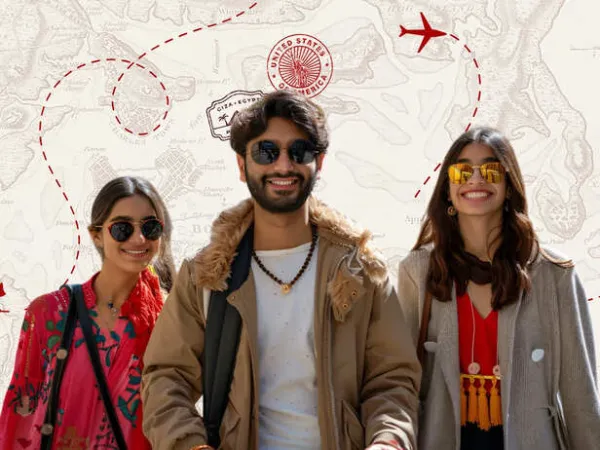

The idea of a vacation used to mean blocking off a week, planning months in advance, and packing in as many tourist spots as possible.
A micro-vacation is exactly what it sounds like, a quick two-to-three-day trip that usually fits into a long weekend. Instead of waiting all year for one big holiday, people are choosing to take multiple short escapes throughout the year. It's less about the length of the trip and more about the vibe of the break.
And honestly, it makes sense for the way younger people live today.
 Freepik | Gen Z doesnt always have the luxury of taking long breaks from work or college
 The long weekend is the new vacation
Gen Z doesn't always have the luxury of taking long breaks from work or college. Between deadlines, internships, side hustles, and packed schedules, planning a week-long vacation can feel unrealistic.A three-day trip, however, is doable. You leave Friday evening, explore on Saturday, chill on Sunday, and you're back home by Sunday night. No complicated planning, no exhausting itineraries, just a quick reset.
Because of this, long weekends have basically become the new travel window. Instead of one massive trip, people are turning random weekends into mini escapes.
 Freepik | A short trip offers something a long vacation sometimes doesnt
 Burnout culture made quick escapes necessary
Another reason micro-vacations are trending is simple: people are tired. Gen Z talks openly about burnout, work stress, and the constant pressure to be productive.A short trip offers something a long vacation sometimes doesn't, an immediate break. When life starts feeling repetitive, a quick change of scenery can help reset your mood.
It could be a spontaneous hill station drive, a beachside stay, or a cozy Airbnb somewhere quiet. The goal isn't to "see everything." It's to disconnect for a bit and come back feeling less drained.
Low effort, high vibe
One of the biggest reasons micro-vacations are winning is that they're low effort. Long trips often involve weeks of planning, budgeting, and scheduling. A three-day vacay can be planned in a few hours.You pick a destination a few hours away, book a stay, pack light, and go.
Because the trips are shorter, people also feel more comfortable spending on experiences, maybe a cute boutique stay, a scenic café, or a unique local activity. It becomes less about ticking landmarks and more about enjoying the vibe of the place.
 Freepik | You pick a destination a few hours away, book a stay, pack light, and go.
 Travel that fits real life
Gen Z doesn't necessarily see travel as a once-a-year event anymore. Instead, it's something that fits around everyday life.Micro-vacations work perfectly for that. They allow people to keep their routines while still exploring new places regularly. A quick road trip, a nature stay, or a quiet weekend in another city can break the monotony without needing major planning.
It's travel that feels spontaneous rather than scheduled.
The social media effect
Social media has also played a role in making micro-vacations popular. Aesthetic weekend trips, think cabin stays, mountain views, beach sunsets, and cozy cafés are constantly showing up on feeds.Seeing friends take quick getaways makes the idea feel more accessible. You don't need a two-week Europe trip to travel anymore. Sometimes a 48-hour escape is enough to create memories and content.
Small trips, big energy
At its core, the 3-day vacay trend reflects how Gen Z approaches life: flexible, spontaneous, and experience-driven.Instead of waiting for the "perfect time" to travel, people are taking small breaks whenever they can. Because sometimes, all it takes is a long weekend away to feel like you've completely stepped out of your routine. And honestly, that's the whole point.