


You have probably seen it on your feed in some form: "He acts like my boyfriend but talks like he's single. "Or maybe it's not an Instagram reel; it's your own life.
Welcome to what people are now calling the "placeholder partner" dynamic.
It sounds harsh, but it's not rare. A placeholder partner is someone who is treated like a relationship...without ever truly being chosen for the relationship. You are not officially temporary, but you are also not being built into a future. You are just there, filling time, space and emotional gaps until something "better" might appear.
And the most confusing part? Everything can feel real.
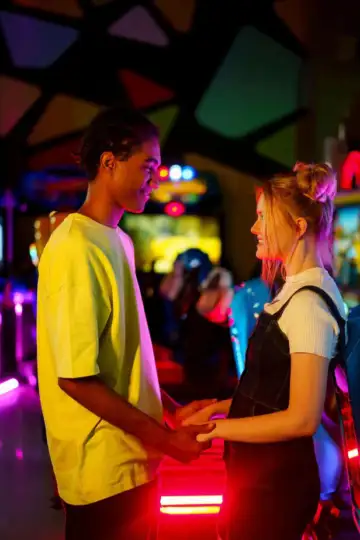 Pexels | The Almost-Relationship That Never Becomes One
 When everything looks like a relationship but doesn't move like one
Modern dating doesn't usually fail loudly. It stalls quietly.There are dinners. Inside jokes. Sleepovers. Maybe even trips. You might have met their friends. They might call you "babe" when it suits them. But when it comes to anything that requires direction, future plans, labels, or long-term conversation, it suddenly gets blurry.
That's the core of placeholder dynamics: presence without progression.
Gen Z especially feels this tension because dating today is shaped by endless options. Dating apps create a paradox: there's always someone new one swipe away, so commitment can start feeling like a "later" decision instead of a present one.
So people don't always leave. They just...don't fully arrive.
Why this hits so hard in 2026 dating culture
Older relationship scripts were simpler: you liked someone, dated them and either committed or ended it.Now? You can exist in a six-month "situationship" where:
- You act like a couple in private.
- You're undefined in public.
- And any attempt at clarity feels like "pressure".
It turns confusion into something aesthetic instead of something concerning. But confusion isn't chemistry. Sometimes it's just avoidance
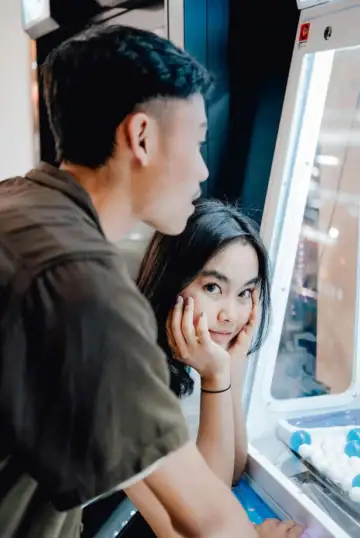 Pexels | Situationships and the Illusion of Something More
 The subtle signs you might be a placeholder partner
This isn't about paranoia or overanalysing every text. It's about patterns that don't evolve.You might be in a placeholder situation if:
- Future talk always gets deflected or delayed.
- Plans feel one-sided (you adjust, they approve).
- You're not being integrated into their life unless you push for it.
You sense you're more invested in "where this could go" than they are.
The key detail isn't perfection; it's lack of movement.
Healthy relationships don't always move fast, but they do move forward. Placeholder dynamics feel like you are circling the same emotional block with no exit sign.
The part no one talks about; it can still feel good
This is what makes it tricky.Placeholder situations are often not toxic in an obvious way. The person isn't necessarily cruel or dishonest in a dramatic sense. They might like you. Enjoy you or even care about yourself.
But liking someone and choosing someone long-term are not the same thing.
And that gap is where people get stuck, because the emotional experience feels real enough to justify staying, even when the direction is missing.
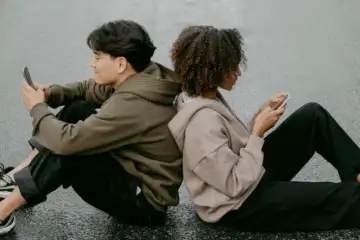 Pexels | Why modern dating thrives on blurred lines.
 It's not just about them; it's about your tolerance for ambiguity
Here's the part most dating advice skips. Placeholder dynamics don't only happen because one person is avoidant or non-committal. They persist because ambiguity becomes emotionally addictive.When someone gives you just enough affection, your brain starts chasing consistency:
- "If I'm a little more understanding, it'll stabilise."
- "If I don't bring it up, I won't ruin it."
- "If I wait, they'll eventually choose me fully."
But relationships aren't buffering systems. They either align or they don't.