
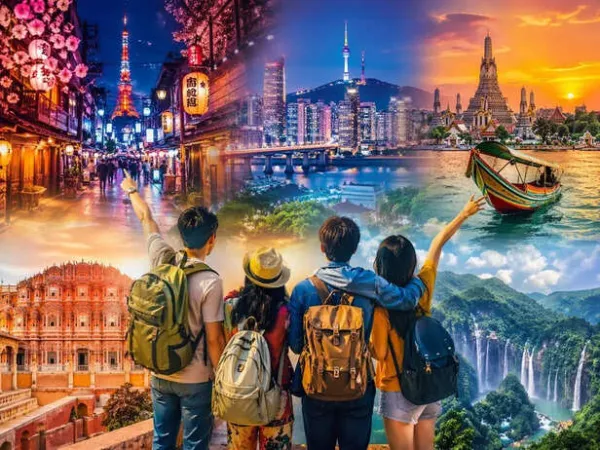

This summer, Indian travellers are rewriting the travel map, not by going farther, but by going closer, smarter and more meaningfully across Asia.
And the numbers make it clear; this behaviour isn't a trend, it's a shift in how a generation chooses to experience the world.
Asia is the new "main character energy" for Gen Z travel
According to data from Airbnb, Gen Z is driving this movement in a big way:- We account for over 40 per cent of summer travel searches.
- Our travel interest is growing at 60 per cent year-on-year, faster than any other generation.
Think less "Let's see everything in 5 days" and more "Let's go for that concert, that cafe, that vibe." This generation isn't just consuming Asian pop culture; we are stepping inside it.
From K-dramas to anime aesthetics, street food reels to fashion inspo, the screen has quietly turned into a travel guide.
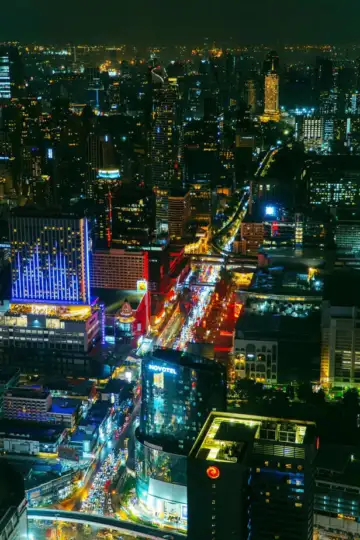 Pexels | How Gen Z Is Choosing Culture Over Distance
 The Asian cities Gen Z can't stop searching for
Search trends show a clear pull toward East and Southeast Asia, where culture feels both familiar and excitingly different.Top international growth destinations
- Osaka: +85 per cent growth in searches
- Tokyo: +90 per cent growth in searches
- Busan: +95 per cent growth in searches
- Kuala Lumpur: +50 per cent growth in searches
- Bangkok: +35 per cent growth in searches
You've seen them in edits, playlists, dramas, and food reels. Now you want to walk through them.
Closer to home: India's own "slow travel" glow-up
Interestingly, the same mindset is reshaping domestic travel too. Gen Z aren't just going abroad; they are rediscovering India through a more aesthetic, experience-first lens.Search interest is rising in places like:
- Thiruvananthapuram: over 90 per cent growth
- Puri: over 30 per cent growth
- Jaipur: over 70 per cent growth
- Meghalaya: over 70 per cent growth
 Pexels | The New Travel Map Gen Z Is Quietly Creating Across Asia
 Travel is no longer solo; it's a shared memory-making
One of the most interesting insights from Airbnb data is how social travel has become; nearly 60 per cent of searches are for group and family trips, and over 30 per cent are for duo travel.This reflects something deeper than logistics; it's emotional design.
Travel is no longer just about escaping routine. It's about:
- going with your closest people
- collecting shared "firsts"
- turning trips into group memory albums
- For Gen Z, even planning a trip feels like a group chat project.
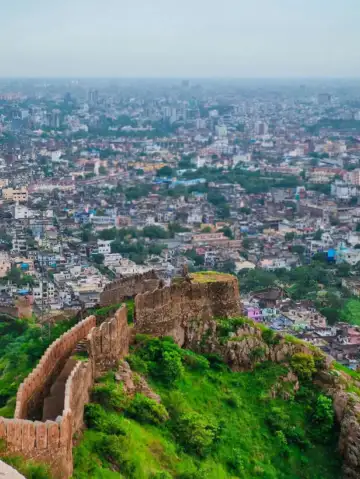 Pexels | A Shift From Icons to Experiences
 What's really behind this shift?
- Culture has become the travel engine: earlier, travel inspired pop culture. Now, pop culture is inspiring travel. K-pop, anime, street fashion, and Asian cinema have turned cities into living content ecosystems. We do not just want photos; we want contextual immersion.
- Shorter trips, bigger meaning: With better connectivity and more flexible breaks, travellers are optimising for long weekends, micro-vacations and high-experience-density trips. Instead of one big annual holiday, it's multiple smaller "lived experiences" throughout the year.
- Familiarity along with discovery is the new sweet spot: as Amanpreet Singh Bajaj, Country Head for India & Southeast Asia at Airbnb, quoted in the report, "Asia offers something rare: familiarity with cultures Indian travellers love and the excitement of discovering something new."