


If your social media feed suddenly resembles a bustling cricket stadium or a basketball court, you're not hallucinating. Yes, a new AI-driven trend is turning ordinary selfies into cinematic broadcast-style fan moments, and it's quickly becoming one of the most relatable internet obsessions of 2026, especially during the Indian Premier League (IPL) 2026 season.
It's part of nostalgia, part imagination and part tech magic. And for young internet users, it's quickly becoming a playful way to drop
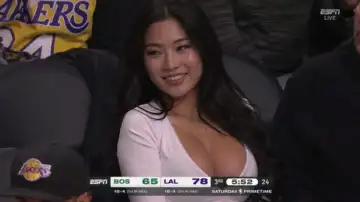 X | @johnAGI168 | The Viral AI Trend Thats Turning Ordinary Users into Front-Row Sports Spectators
The charm lies in how "accidentally real" they feel, as if a TV camera just happened to catch you cheering in the stands.
X | @johnAGI168 | The Viral AI Trend Thats Turning Ordinary Users into Front-Row Sports Spectators What is the trend actually?
The trend uses AI image and video tools to create hyper-realistic stadium scenes where users appear as spectators at live matches. These aren't any cartoonish edits; they actually look like real broadcast footage, complete with stadium lighting, crowd motion, scoreboards and camera zoom effects.The charm lies in how "accidentally real" they feel, as if a TV camera just happened to catch you cheering in the stands.
The trend first went viral after a clip of a highly focused fan at a Korean baseball game spread rapidly online, racking up over 15 million views. Despite looking like authentic, broadcast-quality footage, these "Fan Cam" videos are actually created using advanced AI models.
The trend lets users insert themselves into the middle of intense stadium moments, recreating that immersive, candid match-day atmosphere without physically being there.
The trend lets users insert themselves into the middle of intense stadium moments, recreating that immersive, candid match-day atmosphere without physically being there.
But why is everyone obsessed with it already?
Well, a part of the appeal is emotional. It lets people imagine themselves in moments they may not have experienced, like attending a packed IPL match, sitting among cheering fans, or being part of a thrilling last-over finish.It also taps into a very modern habit of turning everyday life into aesthetic storytelling. Instead of "Here's where I went", it becomes "Here's where I could have been", in the most cinematic way possible.
A step-by-step guide on how AI stadium videos are made
Step 1: Start with your photo: Everything begins with a clear selfie or portrait. This is important because the AI will use your face as the main reference. A front-facing, well-lit photo works best so your features stay natural in the final result.Step 2: Turn it into a stadium image using AI. Next, you upload your photo into an AI image generator. The tool places you inside a stadium crowd, often during an IPL match or similar sports setting.
Step 3: Use a detailed prompt for realism: This is where users guide the AI. The prompt usually tells the tool to avoid beauty filters and instead create a natural broadcast look. It typically includes ideas like the following:
- Stadium lighting and cheering crowd TV broadcast or fan-cam style slight blur or camera imperfections
- The subject should be in a natural posture, such as watching, reacting, or holding a drink.
- This step is what makes the image feel like a real sports moment instead of an edited photo.
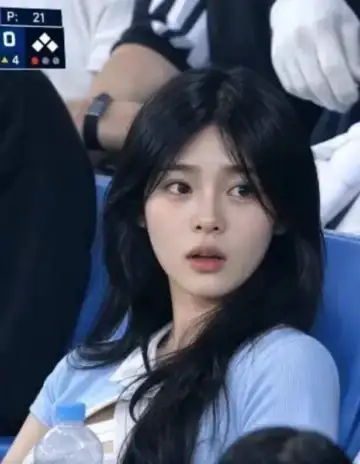 X | @oggii_0 | Inside the AI Fan Cam Trend Taking Over 2026 Step 4: Animate the image into a video: Once the image looks right, it's moved into an AI video tool like Runway or similar apps. Here, the still image comes to life. Subtle motion is added, like a slow camera zoom, gentle crowd movement, or you slightly turning your head or reacting casually. The idea is to make it feel like a live broadcast moment, not a stiff animation.
 Step 5: Final editing and "vibe" polish: The last step happens in editing apps like CapCut. This is where everything is polished together. Users add background music, smooth transitions, and sometimes sports-style overlays like "LIVE" or score graphics.
These finishing touches make the video feel like it was pulled straight from a TV broadcast or highlight reel.