




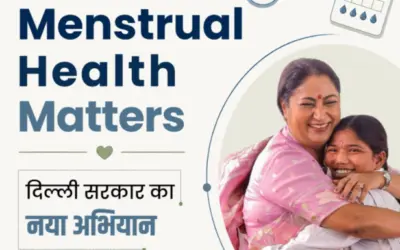

The Delhi government has announced the launch of the "Menstrual Health Matters" campaign, an initiative focused on improving menstrual health awareness and access to essential hygiene resources for girls across the national capital.
The campaign seeks to address challenges related to menstrual health by promoting awareness, education, and access to basic facilities. Officials said the effort is designed to ensure that girls are not held back due to a lack of information, social stigma, or inadequate menstrual hygiene support.
Menstrual health remains an important public health issue, particularly among adolescents, where limited awareness and access to sanitary products can affect education, well-being, and daily life. Through the new campaign, the government aims to encourage informed discussions around menstruation and support measures that contribute to better health outcomes for young girls.
Menstrual health remains an important public health issue, particularly among adolescents, where limited awareness and access to sanitary products can affect education, well-being, and daily life. Through the new campaign, the government aims to encourage informed discussions around menstruation and support measures that contribute to better health outcomes for young girls.
The initiative is expected to focus on outreach and awareness activities that help improve understanding of menstrual hygiene and related health concerns. It also seeks to strengthen access to necessary facilities and resources, with an emphasis on inclusion and dignity.
Public health experts have long highlighted the importance of menstrual health education in reducing stigma and enabling girls to participate fully in school and community life. Campaigns centered on awareness and accessibility are often viewed as key steps toward addressing barriers that affect adolescent health and gender equity.
With the launch of Menstrual Health Matters, Delhi joins a broader effort seen in several regions across India to place greater attention on menstrual health as part of wider public health and social development goals. The campaign is expected to engage communities and encourage conversations that contribute to a more supportive environment for girls and young women.