
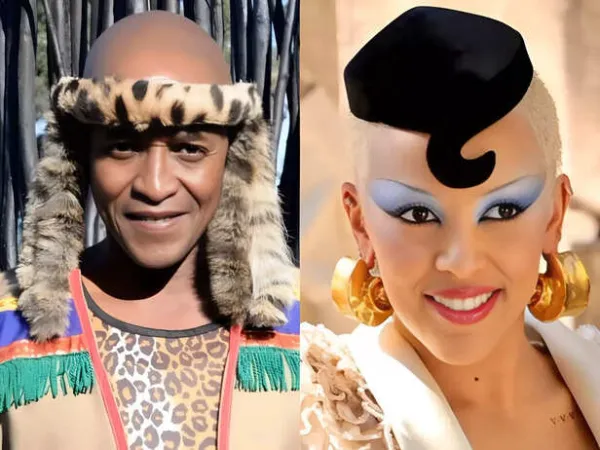

A fresh wave of controversy has erupted around Doja Cat's personal life after her estranged father publicly addressed long-standing accusations about his absence.
Dumisani Dlamini, a South African actor best known for his role in Sarafina!, responded after being labelled a "deadbeat" parent. Rather than acknowledging the criticism, he dismissed it, stating he was indifferent to whether his daughter held any affection for him. He further alleged that Doja Cat's perception of him had been shaped by her mother, accusing her of "brainwashing" and attempting to damage his reputation.
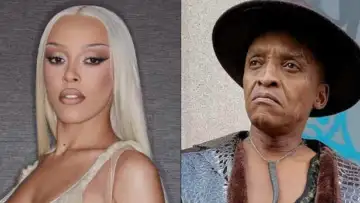 IMDb| Estranged father responds after Doja Cats public jibe
 According to Dlamini, he remained financially supportive of the household after his separation from Doja Cat's mother, even as he became increasingly distant from his daughter's life. He claimed that this distance was not by choice but the result of being alienated during her childhood. However, his account has been met with scepticism, particularly given the singer's own past statements about growing up without a consistent father figure.
A public clash rooted in the past
The timing of Dlamini's response has drawn particular attention. Just days earlier, Doja Cat made headlines during a performance in Pretoria, where she openly mocked her father for failing to attend despite reportedly being invited. The moment struck a chord with fans, many of whom viewed it as a rare glimpse into unresolved family tensions.
Dlamini's video appears to be a direct reaction to that public jab, as well as the wider conversation it sparked online. In defending himself, he maintained that his absence had been misunderstood, suggesting that external influences shaped the narrative against him. Yet, critics argue that his comments sidestep the central issue, namely his lack of presence during formative years.
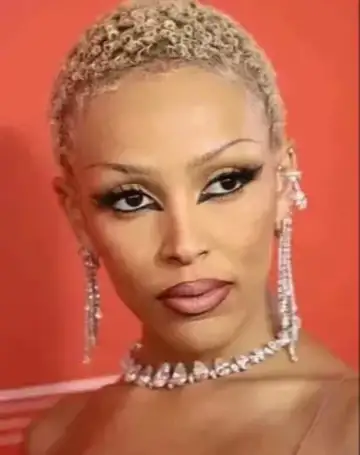 X| @EXECUTIVEXMEDIA| Father hits back at deadbeat claims, denies absence fault
 Doja Cat, born Zandile Dlamini, has previously spoken about reconnecting with her South African heritage, including embracing her birth name and cultural roots. This evolving identity has added another layer to the discussion, with some observers noting the contrast between her public celebration of heritage and the strained relationship with her father.
Public reaction challenges his claims
The response from the public has been largely critical of Dlamini's stance. Many social media users have pointed out that financial support alone does not replace emotional involvement, especially during childhood. Others have referenced Doja Cat's earlier interviews, in which she described her upbringing without a meaningful paternal presence.
There has also been a broader conversation about accountability, with critics suggesting that Dlamini's remarks reflect a reluctance to engage with the emotional impact of his absence. His insistence that he does not care about his daughter's feelings has further fuelled backlash, with some describing it as dismissive and out of touch.
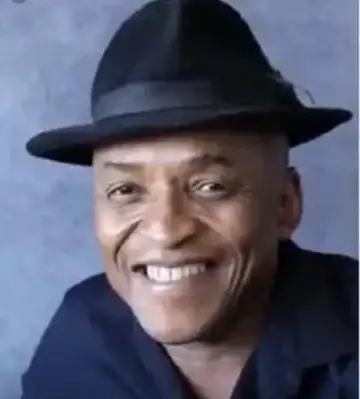
As the debate continues, the situation highlights the complexities of public family disputes, particularly when played out under intense scrutiny. While Dlamini has offered his version of events, the gap between his claims and public perception remains significant. Ultimately, the episode underscores a familiar tension between personal truth and public narrative. For Doja Cat, the focus appears to remain on moving forward, even as questions about the past continue to resurface in the spotlight.