
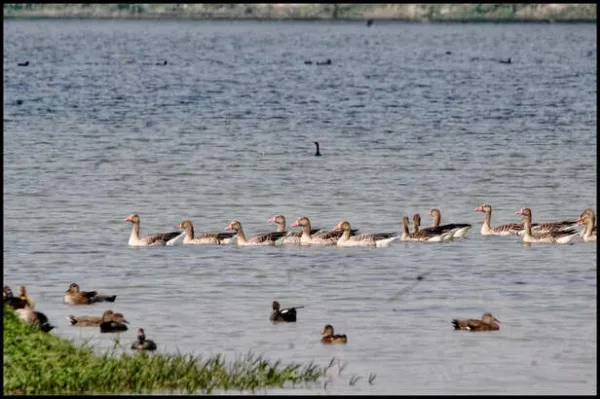

Shekha Jheel Bird Sanctuary in Aligarh district of Uttar Pradesh has been designated as a Ramsar Site, marking another addition to India's network of internationally recognized wetlands.
The Ramsar designation, under the framework of the Ramsar Convention, identifies wetlands of global importance, particularly those that support biodiversity and contribute to ecological balance. Shekha Jheel's recognition highlights its role as a critical habitat for both resident and migratory bird species.
Located in Aligarh, the sanctuary is known for its rich avian diversity, hosting around 249 species of birds. Among these are 62 species that are directly dependent on wetland ecosystems. Seasonal migratory birds, including several that travel long distances across continents, rely on such habitats for feeding, nesting, and resting during migration cycles.
Environmental experts note that wetlands like Shekha Jheel Bird Sanctuary are vital not only for wildlife but also for human communities. They contribute to groundwater recharge, flood control, and climate regulation, while also supporting livelihoods through eco-tourism and related activities.
The designation may bring increased attention to conservation efforts in the region. Ramsar status often encourages better management practices, scientific monitoring, and sustainable use of resources. However, it also places responsibility on authorities to ensure that development pressures do not compromise ecological integrity.
In recent years, India has expanded its list of Ramsar sites significantly, reflecting a broader focus on wetland conservation amid growing environmental concerns. Challenges such as urban expansion, pollution, and changing climate patterns continue to threaten many wetlands, making their protection increasingly important.
Shekha Jheel's inclusion underscores the ecological value of lesser-known wetlands and the need for continued conservation efforts. As attention turns to implementation and management, the long-term impact of this recognition will depend on how effectively the site is preserved while balancing local development needs.