
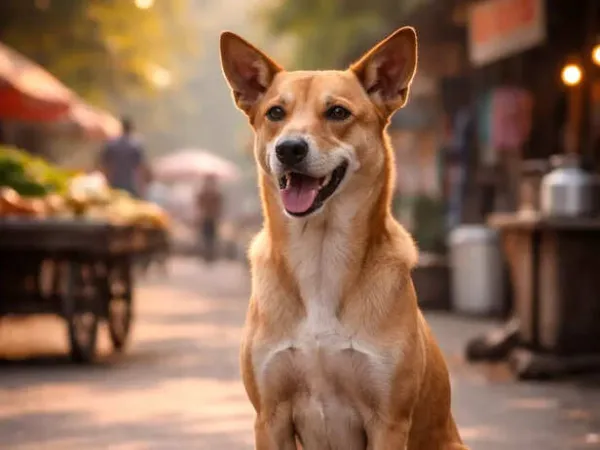

Walk through almost any street in India and you'll see them. Some were sleeping near chai stalls, some were patiently waiting outside homes for a biscuit and some were quietly following a vegetable cart through the market.
But here's something many people don't realise: the dog you casually walk past every day could belong to one of the oldest dog lineages in the world.
Meet the Indian pariah dog
The Indian Pariah Dog, a breed that has existed on the subcontinent for over 15,000 years.Long before fancy breeding programmes, long before Instagram-famous pets and long before kennel clubs began defining what a 'perfect' dog should look like, this dog was already living alongside humans in South Asia.
 Freepik | The Street Dog You Ignore Might Be Indias Oldest Breed
 The breed that nature designed
Most modern dog breeds exist because humans designed them.Breeds like Labrador Retriever, Pug, German Shepherd and Siberian Husky have been selectively bred over the last few hundred years to create certain looks, sizes or behaviours.
The Indian pariah dog is different.
It's what scientists call a landrace breed, meaning it evolved naturally, shaped by its environment rather than human preferences. Over thousands of years, these dogs adapted to the climate, terrain and lifestyle of South Asia. Only the strongest and most adaptable survived and passed on their genes.
Nature itself became the breeder. The result? A dog that is incredibly resilient.
 Freepik | The Truth About Indias Stray Dogs: Meet the Indian Pariah Dog
 Many Indian pariah dogs are known for the following:
- Strong immunity
- High intelligence
- Exceptional problem-solving ability
- Heat tolerance
- Low risk of genetic diseases
Older than most dog breeds
The Indian pariah dog is believed to be more than 15000 years old, making it one of the oldest surviving dog types on Earth. Moreover, some archaeological evidence suggests that similar dogs lived alongside early human settlements in the Indian subcontinent thousands of years ago.Ancient cave paintings and sculptures often show dogs with the same features we see today. Long before pedigree dogs appeared in royal courts or European breeding programmes, these dogs were already helping human communities, guarding settlements, alerting people to danger and scavenging around villages.
In many ways, they were India's earliest canine companions.
 Freepik | The Ancient Story of the Indian Pariah Dog
 The 'Desi Dog' look
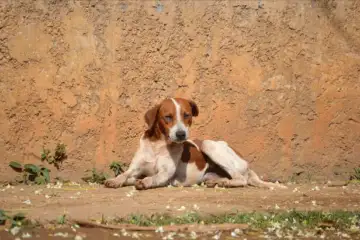
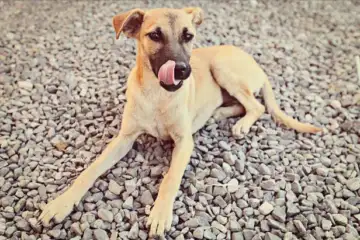
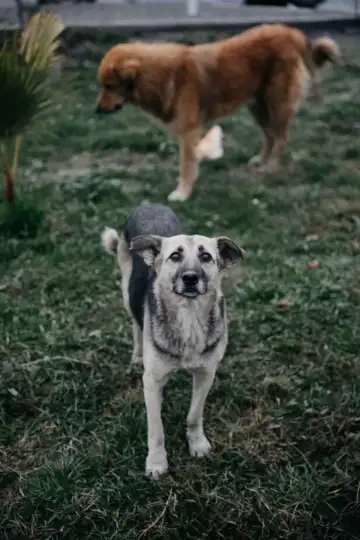
Despite being labelled as 'stray dogs', the Indian Pariah Dog has a very distinct appearance. They are also commonly known as desi dogs, INDogs or Native Indian dogs.Across South Asia, whether in India, Bangladesh, Nepal, Pakistan or Sri Lanka, their physical traits remain surprisingly consistent. Typical features include a wedge-shaped head, upright alert ears, a curved tail, a short weather-resistant coat, and a lean, athletic body.
None of these features are accidental. They are the result of thousands of years of environmental adaptation. Their short coat helps them handle tropical heat, their lean bodies allow speed and agility, and their sharp senses make them excellent guardians.
Why people are starting to adopt them
Ironically, the dog that survives so well on Indian streets is often overlooked as a pet. Many people still prefer imported breeds, assuming they are smarter, cute or somehow 'premium'.But those who adopt Indian pariah dogs often discover the opposite. These dogs are widely known to be:
- Extremely loyal
- Highly trainable
- Low-maintenance
- Adaptable to apartment living
- Excellent watchdogs
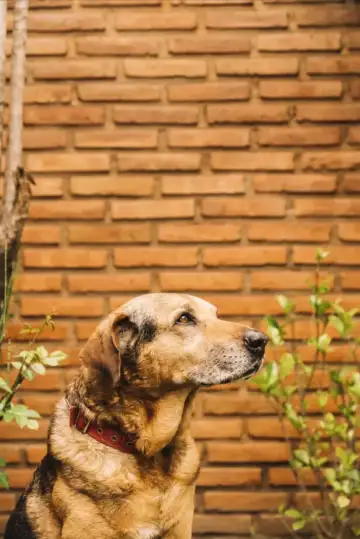 Freepik | Indias Streets Are Home to One of the Worlds Oldest Dog Breeds
 The 'stray dog' label is more about us than them
The biggest problem facing the Indian pariah dog might not be life on the streets. It's the label we give them.The word "stray" carries an assumption that the dog is unwanted, inferior or somehow less than pedigree breeds. But in reality, these dogs represent something unique: thousands of years of natural evolution and coexistence with humans.