




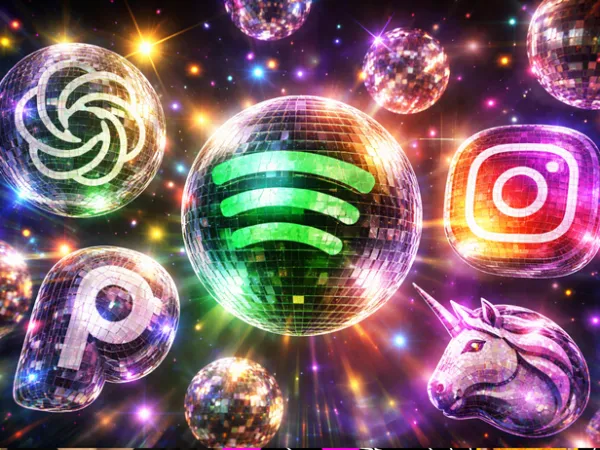

If you've been anywhere near the internet lately, you already know minimalism is officially getting bullied by glitter. After years of flat icons, clean branding and painfully corporate aesthetics, the internet has suddenly decided that every app logo should look like it belongs inside a 1970s disco club.
Welcome to the chaotic rise of "discomorphism", the viral design trend transforming brands into sparkly mirror-ball versions of themselves.
And honestly? The internet is obsessed.
 X | What makes the trend fascinating is that most brands are not permanently rebranding. They are simply participating in viral culture for engagement.
Then something extremely internet happened.
Instead of disappearing, the aesthetic became a meme. Soon after, OpenAI's ChatGPT account joined the trend with its own reflective mirror-ball logo, and suddenly everyone wanted in. Brands like Picsart, MoonPay and Uniswap quickly followed, turning their logos into shimmering chrome-covered icons designed for maximum social media attention.
And honestly? The internet is obsessed.
X | What makes the trend fascinating is that most brands are not permanently rebranding. They are simply participating in viral culture for engagement. The internet's new favourite branding crisis
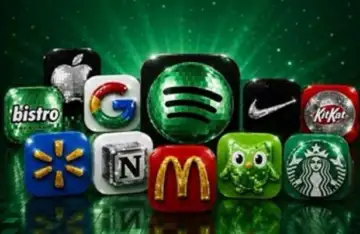
The trend exploded after Spotify temporarily swapped its iconic green logo for a glitter-covered disco-ball version to celebrate its 20th anniversary. At first, social media users roasted the redesign for looking weirdly shiny and unnecessarily dramatic.Then something extremely internet happened.
Instead of disappearing, the aesthetic became a meme. Soon after, OpenAI's ChatGPT account joined the trend with its own reflective mirror-ball logo, and suddenly everyone wanted in. Brands like Picsart, MoonPay and Uniswap quickly followed, turning their logos into shimmering chrome-covered icons designed for maximum social media attention.
Read More:Spotify just dropped a feature that reveals your entire music personality - here's a step-by-step guide to find yours
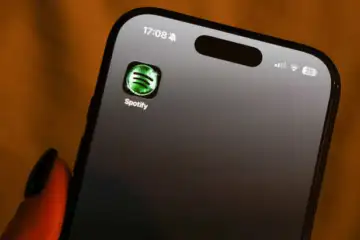 X | The trend exploded after Spotify temporarily swapped its iconic green logo for a glitter-covered disco-ball version to celebrate its 20th anniversary.
 Goodbye minimalism, hello main character energy
For over a decade, tech branding has lived in its "clean girl aesthetic" era. Flat icons, muted colours and minimalist logos dominated apps everywhere. But discomorphism signals a dramatic shift away from sterile design towards something louder, nostalgic and intentionally playful.The trend taps into retro disco culture while also feeling deeply online. It is ironic, flashy and slightly ridiculous in a way that works perfectly for meme-driven internet culture in 2026.
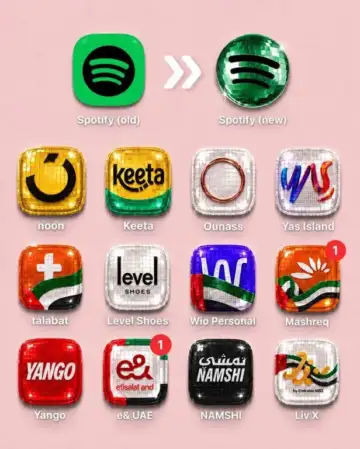 LinkedIn | Brands like Picsart, Liv X, Keeta, and noon quickly followed, turning their logos into shimmering chrome-covered icons designed for maximum social media attention.
 AI made the trend move at internet speed
Part of the reason discomorphism spread so quickly is because AI tools made recreating the style ridiculously easy. Users can now generate disco-ball versions of logos within seconds using prompts focused on chrome textures, reflective tiles and cinematic lighting.What makes the trend fascinating is that most brands are not permanently rebranding. They are simply participating in viral culture for engagement.
In 2026, branding is no longer just about consistency. It is about surviving the algorithm long enough to become the meme of the week.
Read More: One brief, two generations: Why brands are obsessed with the viral Millennial vs Gen Z trend