




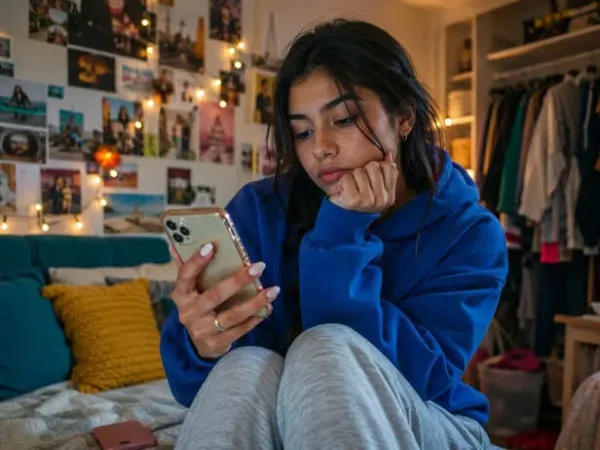

We open Instagram to relax; a few scrolls in, you see it: perfectly edited feeds, soft beige aesthetics, iced lattes in glass cups, spotless rooms, matching outfits, and city bunches that look like they were shot for a magazine.
And then you see another floating-around term on reels, "low-income Instagram". But what does that even mean?
These are feeds where you might see mirror selfies taken on phone cameras, unfiltered daily life posts, repeated or basic outfits, simple home-cooked meals, cluttered rooms, natural lighting and real-life messiness.
In short, it has nothing to do with actual income; it's about how "aesthetic" or "luxurious" your online presence looks.
So what is "low-income Instagram" actually?
Despite how it sounds, it's not a real label or financial category. It's a social media trend term that is used to describe an Instagram account that does not follow the highly curated "aesthetic lifestyle" norm.These are feeds where you might see mirror selfies taken on phone cameras, unfiltered daily life posts, repeated or basic outfits, simple home-cooked meals, cluttered rooms, natural lighting and real-life messiness.
In short, it has nothing to do with actual income; it's about how "aesthetic" or "luxurious" your online presence looks.
Where does the classism conversation come in?
Some creators and commentators say this trend reflects something deeper which is called thesocial media classism, reports Moneywise.The idea is simple but uncomfortable. People may (even unconsciously) start judging others based on how "upper-class" their content appears online. Moreover, in a world where polished visuals often equal "status", your feed can start feeling like a sign of who you are or, worse, who you are "allowed" to be seen as.
 Pexels | What the Low-Income Instagram Trend Reveals About Social Media Pressure, Status Symbols, and Online Identity
 Posting styles and hidden pressure
Some researchers suggest that higher-income users may post selectively, with fewer posts, more curated images and more controlled storytelling. Meanwhile, others post more casually and frequently.This difference can quietly shape perception; it's not just what you show but also what you choose not to show that starts to define how people read your life.
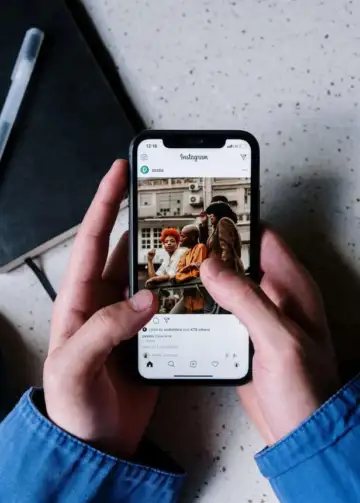 Pexels | Inside the Viral Low-Income Instagram Conversation
 The comparison trap nobody talks about enough
Well, apart from other things, here's where Gen Z feels it the most. Social media slowly turns into a comparison machine. Not just lifestyle vs. lifestyle, but aesthetics vs. reality, curated feeds vs. casual feeds, and "perfect" homes vs. everyday spaces.And that comparison doesn't stay harmless for long.
Studies have shown that heavy social media comparisons can contribute to anxiety, depression, and low self-esteem, especially among young users still building identity and confidence.
When class gets added into that mix, clothes, food, spaces, travel; it can quietly reinforce the idea that some lives are more "post-worthy" than others.
Pexels | Inside the Viral Low-Income Instagram Conversation
But why does this topic hit different today?
The issue isn't just aesthetics. It's the pressure that comes with them. Because suddenly, even everyday life starts feeling something that needs to be "upgraded" before it's shared.And that can make authenticity feel like it's always slightly out of style.