
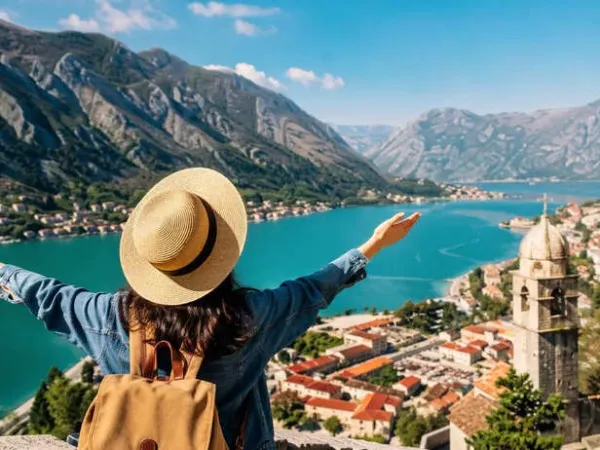

You don't have to drop your entire savings just to feel like you have "made it" on vacation anymore. Well, we have quietly flipped the script on travel; it's no longer about ticking off the most Instagrammed spots but about finding places that feel just as magical without the chaos or the cost.
So, what exactly is a 'destination dupe'?
Think of it as the cooler, less crowded and way more affordable cousin of a famous tourist hotspot. Welcome to the era of destination dupes, where the goal isn't to chase the most famous place but to find one that feels as magical (sometimes more) without draining your savings or your sanity.A 'dupe' is a short term for 'duplicate', which is basically the cooler and deeper cousin of a famous hotspot. Now think Paris energy by Ljubljana's calm, Dubrovnik views without the crowds in Kotor, Kyoto charm at Hoi An prices or Greek island beauty along Albania's quieter coast.
Destination dupes deliver the same aesthetic and cultural richness, just without the chaos and sky-high costs, so your trip feels as dreamy as you want.
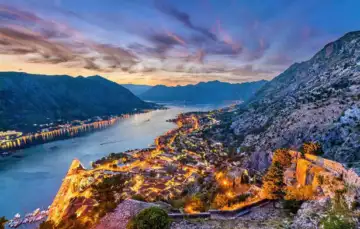 ChatGPT | The Quiet Rebellion Changing Where We Travel
 Why Gen Z is obsessed (and it's not just about money)
Sure, saving cash matters. But this trend runs deeper than budget hacks. We grew up watching travel into a performance, perfect sunsets, crowded viewpoints and the pressure to "get the shot".The result? Destinations started feeling more like content factories than actual places.
Dupes flip that.
They offer space to actually experience a place, conversations instead of crowds and moments that aren't curated for an algorithm, and it's less about 'I have been there' and more 'I felt something there.'
The numbers don't lie
This isn't just a TikTok phase; it's a real shift in how people travel. Most travellers today are open to choosing destination dupes, not only because they can cut trip costs by 30 to 50 per cent (saving close to Rs 2 lakh), but also because they want less crowded, more meaningful experiences.With over half actively seeking quieter spots and Gen Z planning even more trips in 2026, the trend is only growing. Ironically, though, the savviest travellers are keeping their best finds off social media, because once everyone knows, the magic fades.
The dupes everyone's talking about right now
Some swaps just make sense. Ljubljana gives you that cafe-lined, romantic energy of Paris without the chaos; Kotor mirrors Dubrovnik's mediaeval beauty minus the cruise ship crowds; Hoi It delivers Kyoto's lantern-lit magic at a fraction of the price, and Albania offers Greek island vibes without the influencer overload.Then there are wildcard picks, like Medellin over Barcelona or Georgia over Switzerland, that surprise you in the best way. The idea isn't selling for less; it's discovering places that feel just as special, if not more.
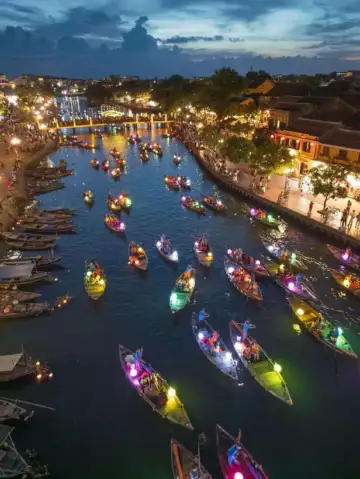 ChatGPT | The Anti-Overtourism Movement Gen Z Didnt Announce
 The irony Gen Z is very aware of
But here's the twist: every "hidden gem" has an expiration date. Venice, Santorini, and Bali, once underrated, are now overwhelmed. The same thing is already happening to places like Albania.Posting about a dupe can be the very thing that ruins it.
So Gen Z is doing something unexpected, gatekeeping travel.
Not out of selfishness, but survival. Because once a place becomes a trend, it stops feeling like yours.
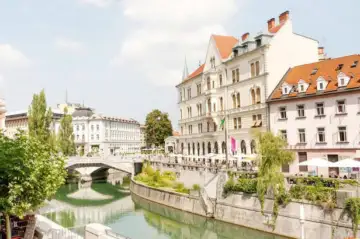 ChatGPT | Dream Destinations, Without the Price Tag
 This isn't just a trend; it's a quiet rebellion
Destination dupes are not just about cheaper travel. They signal a deeper cultural shift.Gen Z's rejecting algorithm-driven travel decisions, status-based destination choices and overtourism as a default. Instead, they are choosing value over visibility, experience over aesthetics and intentional travel over impulsive booking.
Additionally, in economic terms, this redistributes tourism spending to under-visited regions. In social terms, it breaks the monopoly of "Instagram-famous" places. And psychologically, it removes the pressure to perform your trip for others.
It's travel becoming personal again.