




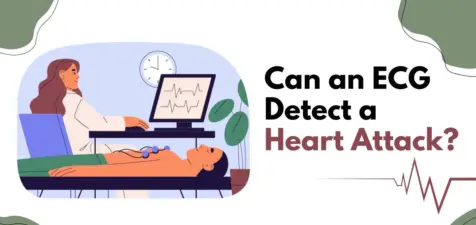

Can an ECG Detect a Heart Attack? Understanding What Your Results Really Show: By Ishita Gupta
An electrocardiogram, or ECG, is the primary tool used to monitor the heart's electrical activity.
Recording signals through sensors on the skin, it provides a quick and non-invasive look at cardiac rhythm.
In emergencies, this data is vital for making fast decisions about patient care.A common concern during a medical crisis is: can ECG detect heart attack? While the test is excellent at spotting major electrical disruptions and immediate muscle damage, it does not always catch every type of cardiac event.
Some blockages may not show up on a single tracing, meaning a "normal" result isn't always a clean bill of health.
What is ECG?
An electrocardiogram test records the electrical activity of the heart through small sensors placed on the skin.
This quick, painless procedure maps out the heart's rhythm and strength, allowing doctors to identify irregularities or signs of strain.
It serves as a fundamental baseline for evaluating overall cardiac health during routine checkups or emergency visits.When symptoms like chest pain occur, medical teams immediately use an ECG for cardiac arrest detection to look for specific patterns of muscle damage.
While the test is a powerful tool for spotting major blockages, it sometimes requires supplemental blood work for a full diagnosis.
This combination of data ensures that even subtle cardiac issues are caught and treated promptly.
How an ECG Detects a Heart Attack
An electrocardiogram maps the heart's electrical pathways to identify irregularities in real time.
By analysing the shape and timing of electrical waves, medical professionals can determine if the heart muscle is receiving enough oxygen or if the tissue has been compromised.Current AttacksDuring an active cardiac event, the electrical signals often deviate from their normal path because they cannot travel easily through damaged or oxygen-deprived tissue.
These deviations appear as distinct spikes or dips on the monitor, providing a clear way to see how to detect heart attack progression.
If the tracing shows specific elevations, it indicates a major blockage that requires immediate intervention.Past AttacksThe heart often retains "electrical scars" long after a crisis has ended.
Dead tissue does not conduct electricity, leaving behind permanent changes in the wave patterns that a technician can identify during a routine exam.
This history allows doctors to assess long-term risks even if the patient did not recognise certain heart attack symptoms when they originally occurred.Heart DamageBeyond identifying blockages, the test reveals the overall structural integrity of the heart chambers.
Significant damage can cause the heart to enlarge or the walls to thicken, both of which alter the electrical timing recorded on the graph.
These insights help determine if the muscle is pumping efficiently or if chronic strain has weakened the cardiovascular system over time.
Click to read more
www.justdial.com