




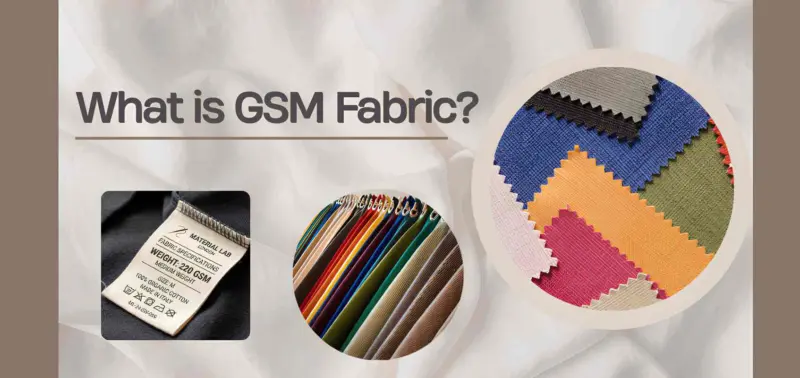

Fabric GSM Guide: Understanding Fabric Weight In Clothing: By Aditya Migom Doley
Pick up two T-shirts from a shop.
One feels airy and soft, the other slightly thicker and heavier.
That small difference often comes down to fabric GSM.
It's a number that designers, textile mills, and clothing brands rely on every day, yet most shoppers never notice it.In simple terms, fabric GSM tells you how heavy a piece of fabric is.
It helps explain why a summer shirt feels breathable while a hoodie feels solid and warm.
Once someone understands the meaning of GSM in fabric, choosing the right clothing becomes much easier.
From comfort and durability to seasonal wear, GSM in textile quietly shapes how clothes behave and how long they last.
What is Fabric GSM?
Understanding the basics of fabric GSM makes shopping for clothes far less confusing.
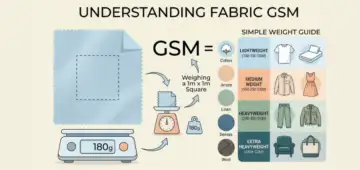
This single measurement explains a lot about how a fabric feels, performs, and even ages.GSM stands for grams per square metre.
It measures how much one square metre of fabric weighs.
If a fabric is labelled 180 GSM, that means a one-square-metre piece weighs 180 grams.
In textile manufacturing, GSM in textile is a universal standard used to compare fabric weight across materials like cotton, polyester, wool, or denim.
How GSM Influences Fabric FeelA lower cloth GSM usually means the fabric is lighter, thinner, and more breathable.
A higher number indicates a denser, heavier material that offers warmth and durability.For example:Lightweight summer T-shirts may use 140-160 GSMStandard everyday T-shirts often sit around 160-180 GSMSweatshirts and hoodies can reach 300 GSM or more This is why GSM for clothes is closely tied to climate and purpose.
A breathable gym shirt and a winter hoodie simply cannot use the same weight.Why GSM Isn't the Same as QualityA common myth is that higher GSM means better fabric.
Not exactly.Two fabrics can share the same cloth GSM but behave very differently depending on fibre type, weave, and finishing.
A lightweight cotton fabric might feel soft and luxurious, while a heavier synthetic fabric might feel stiff.So fabric GSM tells you the weight, not necessarily the quality.
Recommended GSM by Garment Type
Designers often choose fabric weight based on the garment's purpose.
A light summer shirt and rugged denim jeans require very different fabric structures.Below is a quick reference table showing typical ranges.Garment TypeGSM RangeWhy It WorksSummer T-Shirts140-160 GSMLight, breathable, ideal for hot weatherEveryday T-Shirts160-180 GSMBalanced comfort and durabilityPremium Streetwear Tees200-260 GSMStructured feel and longer lifeHoodies & Sweatshirts280-400 GSMWarm, thick, and durableDenim Shirts180-250 GSMLightweight denim for layeringDenim Jeans340-475 GSMStrong structure for durabilityThese numbers show how GSM for clothes is carefully matched to use.
Denim jeans, for example, require far more weight than a summer shirt because the fabric must withstand friction and repeated washing.
For example, linen fabric usually feels lighter and more breathable even at slightly higher weights.
Understanding the meaning of GSM in fabric helps designers build garments that feel right in both comfort and performance.
Click to read more
www.justdial.com