


Is Left Hand Pain a Sign of Heart Attack? Early Cues You Should Know: By Preeti Das
A sudden ache in the hand can feel harmless at first.
Maybe it is strain, poor posture, or a long day at work.
Still, many people quietly wonder about the link between left hand pain and heart attack.
That worry is not unfounded.Search trends show growing concern about "what does pain in left hand indicate." The truth is simple.
Not every discomfort signal danger.
Yet, in certain cases, it can reflect deeper cardiac stress.Understanding the difference matters.
The body often sends subtle signals before a crisis.
Ignoring them can delay urgent care.
Paying attention, however, allows faster decisions and better outcomes.
This guide explains when to stay calm and when to act quickly.
How Are Left Hand Pain and Cardiac Distress Connected?
Many people struggle to connect arm discomfort with heart trouble.
The link between left hand pain and heart attack often feels confusing.
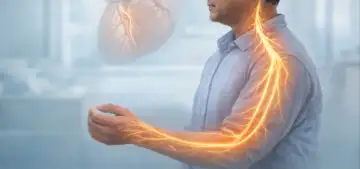
After all, the heart sits in the chest, not the hand.Pain signals travel through shared nerve pathways.
When the heart lacks oxygen, nearby nerves transmit distress signals.
The brain may interpret them as discomfort in the arm or hand.This pattern explains why a left side chest ache sometimes appears alongside arm pain.
It also clarifies concerns around left hand and heart pain occurring together.However, intensity varies.
Some people feel a dull heaviness.
Others report pressure spreading from the chest downward.
The key lies in recognising patterns, not isolated aches.
If pain appears suddenly and feels unusual, especially with chest discomfort, it deserves careful attention rather than dismissal.
Warning Signs That Should Never Be Ignored
Pain alone rarely tells the full story.
Doctors assess patterns and accompanying signs.
When left hand and heart pain appear with other red flags, urgency increases.
Recognising the broader symptoms of heart attack can save valuable time.Look for these warning signs:Persistent middle of chest ache that feels tight, heavy, or squeezingShortness of breath, even without physical exertionCold sweats or sudden clammy skinNausea or unexplained vomitingLight-headedness or sudden dizzinessPain spreading to the jaw, shoulder, or upper backA feeling of pressure that does not ease with restThese symptoms often build gradually.
Sometimes they appear suddenly.
Either way, immediate medical evaluation becomes essential.Also Read: Heart Palpitations: What They Mean and What to Do

Click to read more
www.justdial.com