
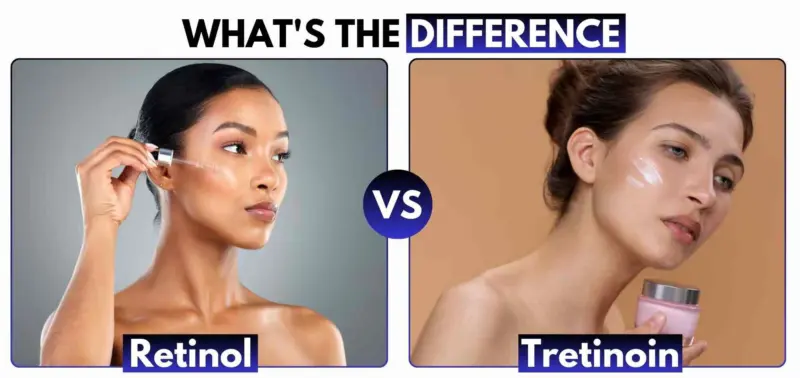

Retinol vs Tretinoin - What's the Difference: By Ritika Tyagi
If you've ever stood in the skincare aisle squinting at labels, wondering whether you need retinol, tretinoin, or a dermatology degree, you're not alone.
These two are the overachievers of the skincare world; famous for smoothing wrinkles, clearing acne, and basically pushing your skin to behave.But here's the catch: they're not twins.
Not even close.The whole tretinoin vs retinol debate comes down to strength, speed, and how much drama your skin can handle.
One is the gentle nudge; the other is the no-nonsense coach.
Both get results, just in different ways.
So, before you slather and hope for the best, let's break down what actually sets them apart, and which one deserves a spot on your shelf.
Differences Between Retinol and Tretinoin
When comparing retinol versus tretinoin, the differences mainly come down to strength, speed, and how your skin reacts.
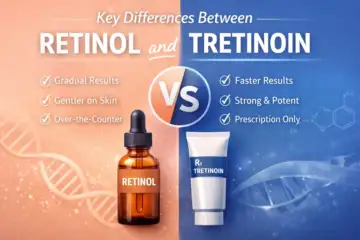
Here's a clear, easy-to-scan table highlighting the key differences:FeaturesRetinolTretinoinStrengthMilderMuch strongerAvailabilityOver-the-counterPrescription onlySpeed of ResultsSlower (8-12 weeks or more)Faster (4-8 weeks)Irritation RiskLowerHigher (peeling, redness common)Best ForBeginners, mild ageing, early acneModerate to severe acne, deeper wrinklesSkin AdjustmentGradual, easier to tolerateRequires careful introductionCostGenerally more affordableCan be more expensive (doctor visit + prescription)In short, in the tretinoin vs retinol debate, retinol is the steady starter that builds you up, while tretinoin is the high-powered upgrade that pushes results faster.Also Read: 5 Best Retinol Eye Creams for Dark Circles and Wrinkles
What Is Retinol?
If tretinoin is the intense trainer, retinol is the smart starter plan that still delivers results.Retinol is a Vitamin A derivative found in over-the-counter skincare products.
Often recommended as a reliable retinol for skin renewal, it's popular for improving acne, fine lines, uneven texture and dullness.
Unlike prescription options, it works gradually, making it easier for most skin types to handle.How Retinol Works on the SkinRetinol converts into retinoic acid after application, which is why it works more slowly.
It does the following: Speeds up skin cell turnoverUnclogs poresBoosts collagen productionFades dark patches over timeSupports overall skin renewalBecause the conversion process takes time, results are slower; but irritation is usually milder.Benefits of Retinol for Acne, Wrinkles, and TextureRetinol targets multiple concerns at once:Reduces breakoutsSoftens fine linesSmooths rough textureBrightens dull skinMinimises pores and mild pigmentationIt's consistent, not instant; but it works.Who Should Use Retinol?Retinol is ideal for:BeginnersMild to moderate acneEarly signs of ageingUneven texture or dullnessSensitive skin that can't tolerate stronger formulasIn short, retinol is the steady option for building better skin without overwhelming it.

Click to read more
www.justdial.com