

Tinnitus and Ear Ringing: Reasons, Symptoms, and Relief Tips: By Aditya Migom Doley
A faint ringing that refuses to stop can feel strangely unsettling.
Some people hear a steady hum late at night.
Others notice a soft whistle after a loud concert.
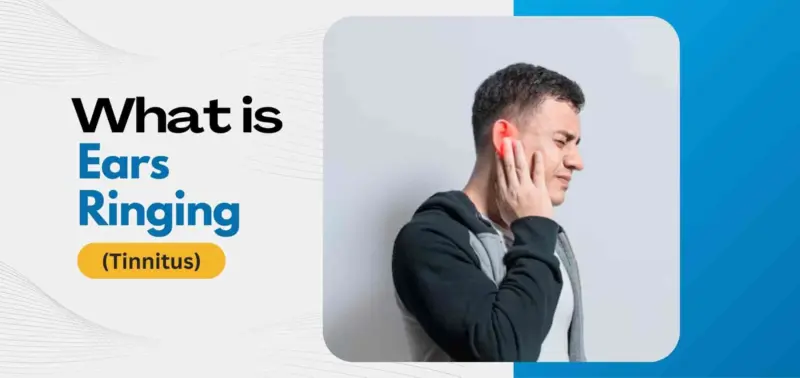
That odd sound is often tinnitus, a condition in which a person hears sounds even when no external noise is present.
It may appear as ringing in the ears, a hissing tone, or even a pulsing beat.
For some, it fades quickly.
For others, the noise in ear can linger and affect sleep, focus, and mood.
The good news is that understanding the causes and symptoms of tinnitus, and trying a few simple strategies can help people manage it better and regain a bit of quiet in their day.
What Is Tinnitus?
Tinnitus is the sensation of hearing sound when no external noise is present.
People often notice it as ringing in the ears, though it can also sound like humming, buzzing, or a faint whistle.
The sound may come and go, or stay constant for some time.It is not a disease in itself.
Instead, tinnitus usually signals a change in the hearing system, often linked to ear damage, hearing loss, or changes in nerve signals between the ear and the brain.
Many people become aware of it during quiet moments, when the noise in the ear feels more noticeable.
The intensity varies widely.
Some barely notice it, while others find the sound distracting in daily life. A study conducted by the All India Institute of Speech and Hearing, Mysore, Karnataka, found that the prevalence of tinnitus to be 6.7% among the Indian adult population.
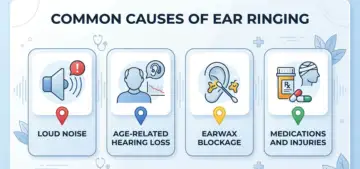
Common Causes of Ear Ringing
Several factors can trigger tinnitus, and many of them are surprisingly common.
Hearing health experts often link tinnitus causes to changes in the ear, exposure to loud sounds, or certain health conditions.
Exposure To Loud NoiseLoud sound is one of the most recognised tinnitus causes.
Concerts, construction work, or long headphone sessions at high volume can damage the delicate hair cells inside the inner ear.
Once these cells are affected, the brain may interpret faulty signals as sound, leading to ringing in ears or a persistent tone.Age-Related Hearing LossAs people grow older, their hearing gradually declines.
This change can disrupt the ear's communication with the brain.
When the brain receives fewer sound signals, it may compensate by generating internal noise, which becomes noticeable as tinnitus.Earwax BlockageSometimes the explanation is surprisingly simple.
A build-up of earwax can press against the eardrum and change how sound travels through the ear canal.
When this happens, a person may hear a buzzing sound in ear or experience mild tinnitus symptoms until the blockage is removed. Sometimes a mild ear infection can irritate the inner ear, leading to temporary ringing or buzzing.Medications and InjuriesCertain medicines and head or neck injuries can also trigger tinnitus causes.
Some antibiotics, diuretics, or high doses of painkillers may affect the hearing system.
Injuries that disturb the nerves connected to hearing may produce a sudden ringing noise in the ear as well.
Click to read more
www.justdial.com